Understanding Your Credit Score During Debt Payoff
Your credit score is a critical aspect of your financial health. It influences your ability to secure loans, rent apartments, and even impacts job opportunities. When you’re in the process of paying off debt, it’s essential to recognize how your actions can affect your credit score. There are common pitfalls that can hinder your progress and potentially worsen your credit situation. This article will help you identify these pitfalls and provide practical advice to navigate the debt payoff process effectively.
1. Ignoring Payment History
Your payment history is one of the most significant factors influencing your credit score. Missing payments or making late payments can have a detrimental effect on your score. Here are some tips to avoid pitfalls related to payment history:
- Set Up Automatic Payments: If possible, automate your payments to ensure they are made on time. This can prevent accidental missed payments, which can hurt your score.
- Use Calendar Reminders: If automatic payments aren’t an option, set reminders on your calendar a few days before payments are due.
- Prioritize Minimum Payments: Always make at least the minimum payment on each account to avoid late fees and negative reporting.
2. Closing Old Accounts
When you pay off debt, particularly credit cards, it might seem logical to close those accounts. However, closing old accounts can actually reduce your credit score. Here’s why:
- Credit Utilization Ratio: This ratio compares your total credit card balances to your total credit limits. Closing accounts lowers your total credit limit, potentially increasing your utilization ratio and negatively impacting your score.
- Length of Credit History: Older accounts contribute to a longer credit history, which is favorable for your score. Keeping old accounts open, even if you don’t use them, can be beneficial.
3. Accumulating New Debt
One of the most significant mistakes during debt payoff is accumulating new debt. It can be tempting to use credit cards for emergencies or everyday purchases, but this can jeopardize your efforts. Here are some strategies to avoid this pitfall:
- Use Cash or Debit: Consider using cash or a debit card for purchases to avoid adding to your debt.
- Create a Budget: Establish a budget that prioritizes debt repayment. This will help you avoid unnecessary spending.
- Identify Needs vs. Wants: Distinguish between essential expenses and discretionary spending. Focus on needs during your debt payoff journey.
4. Missing Opportunities for Negotiation
Sometimes, creditors are willing to negotiate terms that can ease your repayment process. However, many people overlook this option, which can lead to prolonged debt repayment and negative credit impacts. Consider these points:
- Contact Your Creditors: If you’re struggling to make payments, reach out to your creditors. They may offer hardship programs or adjusted payment plans.
- Negotiate Lower Interest Rates: If you have a good payment history, you might be able to negotiate lower interest rates on your credit accounts.
- Explore Debt Management Plans: A debt management plan through a credit counseling agency can help you negotiate with creditors and consolidate payments without harming your credit.
5. Not Monitoring Your Credit Report
Failing to monitor your credit report can lead to surprises that negatively affect your credit score. Regularly checking your report can help you stay informed about your credit status. Here’s how to do it effectively:
- Check for Errors: Review your credit report for inaccuracies. Dispute any errors you find, as they can adversely affect your score.
- Monitor Changes: Keep track of how your debt payoff is impacting your credit score over time. This will help you adjust your strategy as needed.
- Use Free Resources: Take advantage of free credit report services that allow you to check your credit score and report without a cost.
6. Relying Solely on Debt Settlement
Debt settlement may seem like an attractive option, but it’s not a one-size-fits-all solution and can have negative implications for your credit. Here’s what to consider:
- Potential Credit Damage: Settling a debt for less than what you owe can negatively impact your credit score, as it indicates that you did not fulfill your original agreement.
- Tax Implications: Forgiven debt may be considered taxable income, leading to unexpected tax liabilities.
- Long-Term Consequences: Debt settlement can remain on your credit report for up to seven years, affecting your ability to secure credit in the future.
7. Overlooking the Impact of Bankruptcy
Bankruptcy is a significant decision that can have lasting effects on your credit score. Here are some considerations:
- Long-Term Impact: Bankruptcy can stay on your credit report for up to ten years, severely impacting your creditworthiness.
- Limited Access to Credit: After bankruptcy, obtaining new credit can be difficult and may come with higher interest rates.
- Professional Guidance: Consult with a financial advisor or attorney to understand your options and the potential repercussions of filing for bankruptcy.
Next Steps for a Healthier Credit Score
Improving your credit score while paying off debt requires thoughtful planning and action. Here are some practical next steps:
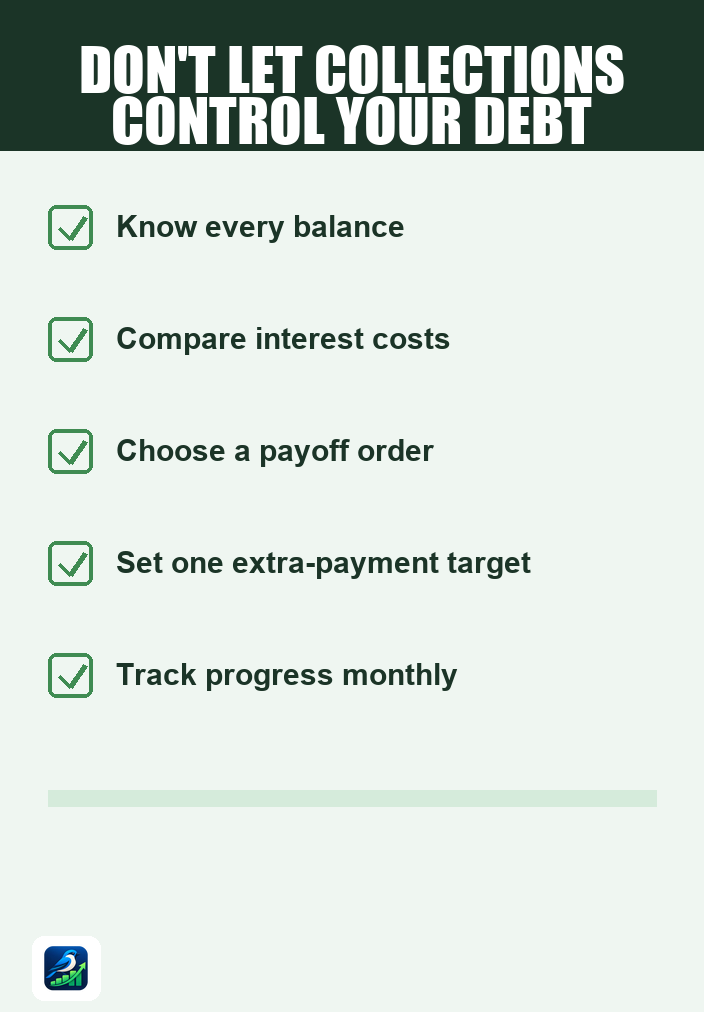
- Review your current debt and create a repayment plan that prioritizes high-interest debts.
- Establish a budget that includes both living expenses and debt payments.
- Set reminders for payment due dates to ensure you never miss a payment.
- Monitor your credit report regularly for changes and inaccuracies.
- Consider seeking advice from credit counseling services if you feel overwhelmed.
By being aware of these common pitfalls and taking proactive steps, you can navigate your debt payoff journey more effectively while safeguarding your credit score.