
Understanding the Cycle of New Credit Card Debt
Credit card debt can feel like a never-ending cycle, often leading to increased stress and financial strain. Many adults find themselves in a position where they are constantly juggling multiple credit cards, only to accumulate more debt. The good news is that with the right approach, it’s possible to take control of your credit situation. This guide will provide practical steps to help you overcome the cycle of new credit card debt.
Recognizing the Signs of Debt Accumulation
The first step in overcoming credit card debt is recognizing the signs that you’re in trouble. Common indicators include:
- Making only minimum payments each month
- Using credit cards for everyday expenses rather than emergencies
- Relying on new credit to pay off old debt
- Feeling stressed or anxious about your financial situation
If any of these resonate with you, it’s crucial to address the situation head-on.
Assessing Your Current Financial Situation
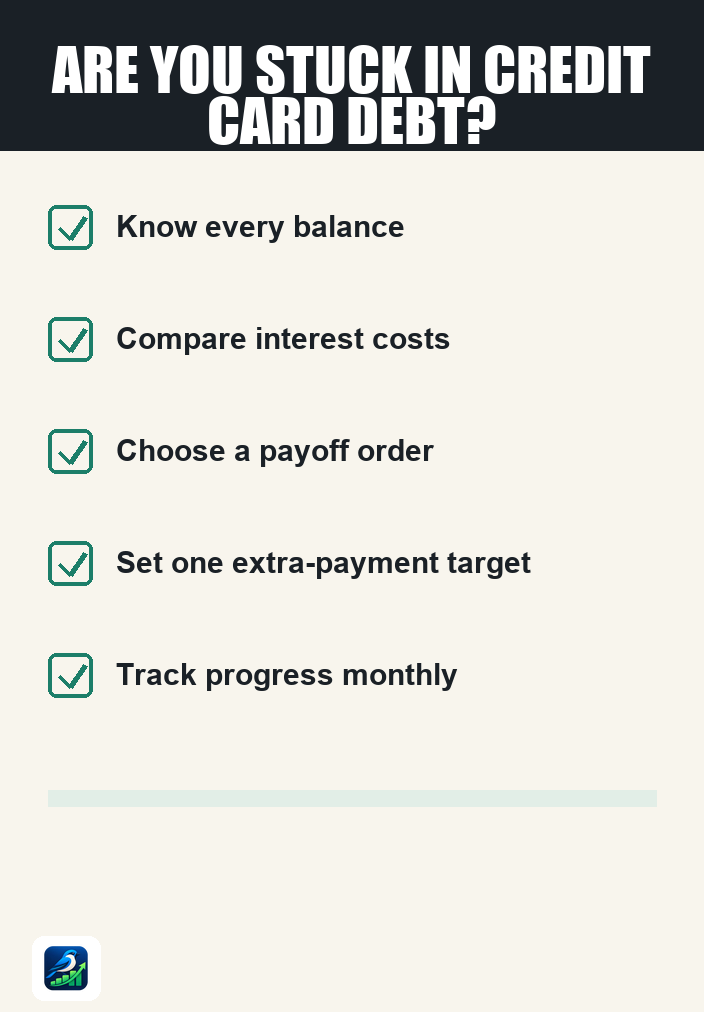
Before you can take control, you need to understand where you stand financially. Start by gathering all your financial statements and categorizing your debts. Follow these steps:
- List all your credit cards along with their balances, interest rates, and minimum monthly payments.
- Calculate your total monthly income after taxes.
- Track your monthly expenses, including fixed costs (rent, utilities) and variable costs (groceries, entertainment).
By having a clear picture of your income and expenses, you can identify areas where you can cut back and allocate more funds towards debt repayment.
Creating a Debt Repayment Plan
Once you’ve assessed your financial situation, it’s time to create a repayment plan. Here are a few strategies to consider:
The Snowball Method
This approach focuses on paying off your smallest debts first. By eliminating smaller debts, you’ll gain motivation as you see progress. Here’s how to implement it:
- List your debts from smallest to largest.
- Make minimum payments on all debts except the smallest.
- Put any extra funds towards the smallest debt until it’s paid off.
- Once the smallest debt is cleared, move to the next one and repeat the process.
The Avalanche Method
Alternatively, the avalanche method targets debts with the highest interest rates first, potentially saving you money in the long run. To use this method:
- List your debts from highest to lowest interest rate.
- Make minimum payments on all debts except the one with the highest interest.
- Put any extra funds towards the highest-interest debt until it’s paid off.
- Move on to the next highest interest debt and repeat the process.
Setting a Budget
Having a budget can help you manage your finances effectively. Consider following these steps to create a practical budget:
- Determine your fixed and variable expenses.
- Set limits on variable expenses, such as dining out or shopping.
- Allocate a specific amount each month to debt repayment.
- Review and adjust your budget regularly to accommodate any changes in income or expenses.
Exploring Debt Relief Options
If your debt feels unmanageable, it may be time to explore debt relief options. Here’s a breakdown of common methods:
Debt Consolidation
This involves combining several debts into one single loan, often with a lower interest rate. While this can simplify payments, be cautious, as it may extend the repayment period and lead to higher overall interest costs.
Debt Management Plans
These are typically offered by credit counseling agencies, where they negotiate with creditors on your behalf. You make a single monthly payment to the agency, which then distributes it to your creditors. While this can lower your interest rates and fees, be aware that it may take several years to complete.
Debt Settlement
Debt settlement involves negotiating with creditors to accept less than the total owed. While this can reduce your debt, be cautious as it may negatively impact your credit score and could have tax implications. This option is not suitable for everyone and is best considered after exploring other avenues.
Bankruptcy
As a last resort, bankruptcy can provide relief from overwhelming debt. However, it has long-lasting effects on your credit and should be approached with caution. Consult with a legal professional to understand the implications fully.
Building Healthy Financial Habits
Preventing future debt accumulation is just as important as managing current debt. Here are some habits to consider:
- Use a budgeting app or spreadsheet to track expenses.
- Establish an emergency fund to avoid relying on credit cards.
- Regularly review your financial goals and adjust as needed.
- Limit the number of credit cards you carry to reduce temptation.
Next Steps to Take Control
Overcoming credit card debt requires a proactive approach. Start by assessing your current financial situation, creating a repayment plan, and exploring potential debt relief options. Remember, building healthy financial habits will help you avoid falling back into the cycle of debt. Should you find yourself overwhelmed, consider consulting with a financial advisor for personalized guidance.
Your journey to financial freedom begins with the first step. Take control today!



















