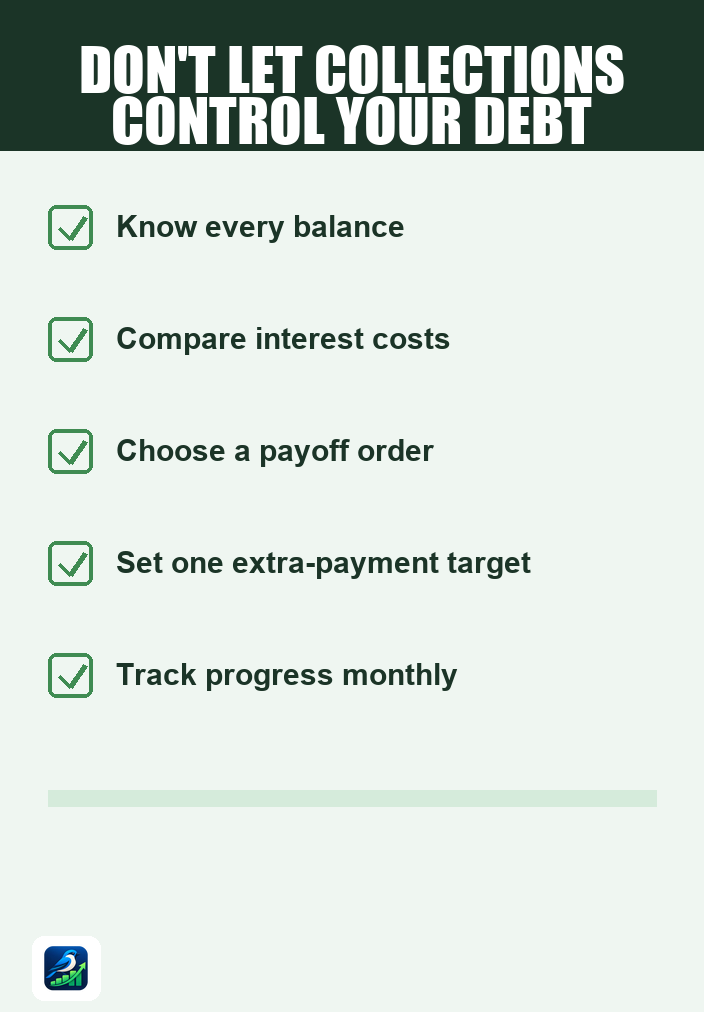
Understanding the Impact of Collections on Your Credit Report
When it comes to managing collections on your credit report, understanding the implications is crucial. Collections can significantly impact your credit score and make it harder to secure loans or favorable interest rates. If you’re navigating this challenge on a tight budget, it’s essential to adopt effective strategies that can help you manage your collections without incurring additional financial strain.
1. Review Your Credit Report Thoroughly
The first step in managing collections is to obtain and review your credit report. You can typically get a free copy once a year from major credit bureaus. Look for any inaccuracies or outdated information regarding collections. If you find errors, you have the right to dispute them. Correcting mistakes can potentially improve your credit score.
Steps for Reviewing Your Credit Report:
- Access your credit report from a reputable source.
- Check for any collections listed that don’t belong to you.
- Note the dates, amounts, and details of each collection.
- Keep a record of any discrepancies that need to be disputed.
2. Communicate with Creditors
Once you’ve reviewed your credit report, consider reaching out to your creditors. Open communication can sometimes lead to negotiating payment terms or settlement amounts. Many creditors prefer to work with you rather than send your debt to collections, especially if you express a genuine intent to pay.
Tips for Effective Communication:
- Be polite and professional in all interactions.
- Explain your financial situation honestly.
- Ask if they offer any hardship programs or flexible payment plans.
- Document all correspondences for future reference.
3. Set Up a Payment Plan
If you’re unable to pay off your collections immediately, consider setting up a payment plan. Many creditors are open to this option, allowing you to pay a smaller amount over time. This can help prevent further collections activity and ease the burden on your budget.
How to Establish a Payment Plan:
- Determine how much you can afford to pay monthly.
- Contact the creditor to propose your payment plan.
- Get the agreement in writing to avoid future disputes.
- Stick to the agreed payment schedule to build credibility.
4. Explore Debt Settlement Options
Debt settlement involves negotiating with creditors to pay a reduced amount that’s less than what you owe. This option can be beneficial if you’re facing significant financial hardship, but it’s important to weigh the pros and cons carefully.
Pros and Cons of Debt Settlement:
- Pros: Can reduce the total debt owed, stops collection calls.
- Cons: May negatively impact your credit score, requires a lump sum payment.
Before pursuing debt settlement, research the potential consequences and consider consulting a financial professional if you’re uncertain about the process.
5. Consider Credit Counseling Services
If managing your collections feels overwhelming, consider reaching out to a credit counseling service. These organizations can help you understand your options, create a budget, and even negotiate with creditors on your behalf. Many offer services on a sliding scale based on income, making them accessible even on a tight budget.
What to Expect from Credit Counseling:
- Assessment of your financial situation.
- Personalized budgeting advice.
- Assistance in negotiating with creditors.
- Education on managing debt moving forward.
6. Monitor Your Progress Regularly
Once you’ve implemented strategies to manage your collections, it’s crucial to monitor your progress. Regularly check your credit report and keep track of your payment history. This can help you stay motivated and ensure you are on the right path to improving your financial situation.
Ways to Monitor Your Progress:
- Set reminders to check your credit report every few months.
- Keep a log of payments made towards collections.
- Celebrate small victories, like paying off a collection.
- Adjust your budget as necessary to manage ongoing payments.
Next Steps for Managing Collections
Managing collections on your credit report can feel daunting, especially when on a tight budget. However, by following these six effective strategies, you can take control of your financial situation. Start by reviewing your credit report, communicate with your creditors, and consider setting up a payment plan. Don’t hesitate to seek professional help through credit counseling if needed. Remember, progress takes time, so be patient with yourself as you work towards financial recovery.