Understanding Credit Utilization in Debt Repayment
Credit utilization refers to the ratio of your current credit card balances to your credit limits. It plays a significant role in your overall credit score and can be a crucial factor during debt repayment. For those working to reduce their debt, understanding when and how to manage credit utilization can be a strategic move. However, it’s essential to weigh your options carefully.
When to Consider Reducing Credit Utilization
Reducing credit utilization can be beneficial under certain circumstances. Here are some instances when you might want to consider a reduction:
- Before Applying for New Credit: If you’re planning to apply for a loan or a new credit card, lowering your credit utilization can improve your chances of approval. Lenders often view lower utilization as a sign of responsible credit management.
- To Improve Your Credit Score: If you’re looking to boost your credit score quickly, reducing your utilization ratio may help. A lower utilization ratio typically reflects positively on your credit report.
- During Debt Consolidation: If you decide to consolidate your debts, it might be wise to reduce your utilization on existing cards to avoid further accumulating debt while managing your consolidation plan.
Assessing Your Current Situation
Before making any changes, take a moment to assess your current financial situation. Ask yourself the following questions:
- What is my current credit utilization ratio? Calculate your credit utilization by dividing your total credit card balances by your total credit limits. A utilization ratio below 30% is generally considered healthy.
- Do I have high-interest debts? If you have high-interest credit cards, focusing on paying those down first may take precedence over reducing utilization on other cards.
- What are my short-term and long-term financial goals? Understanding your broader financial objectives can help you decide whether to prioritize reducing credit utilization or managing existing debts.
Options for Reducing Credit Utilization
If you’ve decided that reducing your credit utilization is a priority, consider these practical strategies:
1. Pay Down Existing Balances
This is the most straightforward approach. By making larger payments on your credit card balances, you can quickly lower your utilization ratio. Focus on paying down cards with the highest interest rates first, as this can save you money in the long run.
2. Increase Your Credit Limits
If you have a good payment history and reliable income, consider requesting a credit limit increase. This can improve your credit utilization ratio without changing your spending habits. However, only request an increase if you are confident you can manage the additional credit responsibly.
3. Diversify Your Credit Mix
Having a mix of credit types, such as installment loans and credit cards, can positively affect your credit score. If you’re in a position to do so, consider taking out a small personal loan to pay down credit card debt, which can lower your utilization. However, ensure you can manage the new payment alongside your existing debts.
4. Avoid New Charges
While you focus on reducing your utilization, avoid accruing new charges on your credit cards. This means using cash or debit for purchases until your balances are more manageable.
Understanding Trade-offs and Drawbacks
While reducing credit utilization can be beneficial, there are trade-offs to consider:
- Impact on Cash Flow: Paying down high balances may require significant cash flow, which could impact your ability to cover other expenses. Ensure you have enough liquidity to manage your bills.
- Credit Limit Increases May Lead to Higher Spending: If you increase your credit limits, there’s a risk of accumulating more debt. Use increased limits judiciously.
- Potential Fees: If you choose to consolidate debt or take out a personal loan, be aware of any fees associated with these options. Always review the terms before proceeding.
Alternatives to Debt Consolidation and Settlement
If you find that reducing your credit utilization isn’t enough, you may consider other debt management strategies:
- Debt Management Plans: These involve working with a credit counseling agency to create a structured plan to pay off your debts. They may negotiate lower interest rates on your behalf.
- Debt Settlement: This involves negotiating with creditors to settle your debts for less than you owe. While it can reduce your total debt, it may also negatively impact your credit score.
- Bankruptcy: This is a last resort option for severe financial distress. It can provide relief from most debts but will have long-lasting effects on your credit report.
Next Steps for Managing Your Debt
Managing credit utilization during debt repayment is a balancing act. Here are some practical next steps:
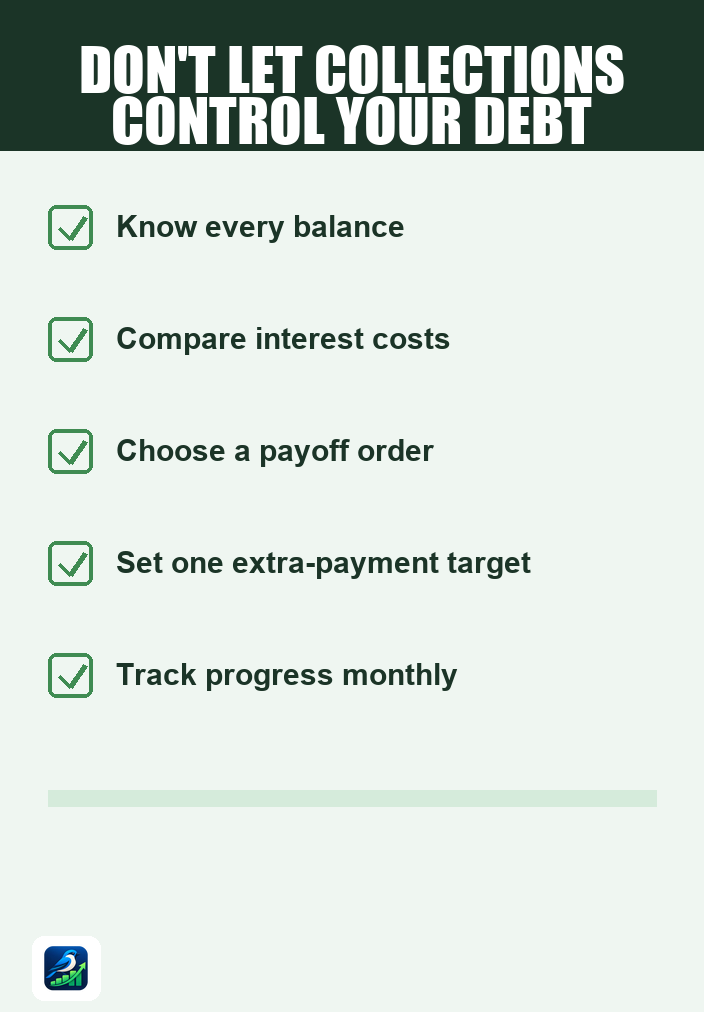
- Calculate your current credit utilization ratio and identify high-interest debts.
- Develop a budget that prioritizes debt payments and includes strategies for reducing utilization.
- Consider reaching out to a credit counseling agency for guidance on managing your debts.
- Monitor your progress regularly and adjust your plan as needed.
Understanding when and how to reduce credit utilization can empower you on your journey to financial recovery. Remember that every financial situation is unique; weigh your options carefully and seek professional guidance if needed.