Understanding How Lowering Balances Affects Your Credit Score
When it comes to managing consumer debt, many individuals focus on the immediate relief of paying off debts without considering the longer-term implications for their credit score. The reality is that how you approach debt payoff can significantly influence your credit profile. One of the most beneficial strategies is lowering your account balances, which can have a positive effect on your credit score. Let’s explore how this works and why it matters.
Debt-to-Income Ratio vs. Credit Utilization Ratio
To understand how lowering balances can benefit your credit score, it’s essential to differentiate between two key metrics: debt-to-income ratio and credit utilization ratio.
Debt-to-Income Ratio
This ratio compares your monthly debt payments to your gross monthly income. A lower debt-to-income ratio indicates that you have a manageable level of debt relative to your income, which is favorable when applying for loans or credit. However, this ratio does not directly impact your credit score.
Credit Utilization Ratio
On the other hand, credit utilization is a significant factor in your credit score. This ratio reflects the percentage of your total credit limits that you are currently using. A lower credit utilization ratio generally indicates better credit management and can lead to a higher credit score.
The Impact of Lowering Balances on Your Credit Score
The connection between your credit score and your account balances is primarily seen through credit utilization. Here’s how it works:
- Improved Credit Utilization: Ideally, you want to keep your credit utilization below 30%. If you owe $3,000 on a credit card with a $10,000 limit, your utilization is 30%. Paying down that debt to $1,000 would bring your utilization down to 10%, which is more favorable.
- Positive Payment History: Regularly lowering your balances through consistent payments can contribute to a positive payment history, another important factor in your credit score. Lenders like to see that you are managing your debts responsibly.
Strategies for Lowering Balances Effectively
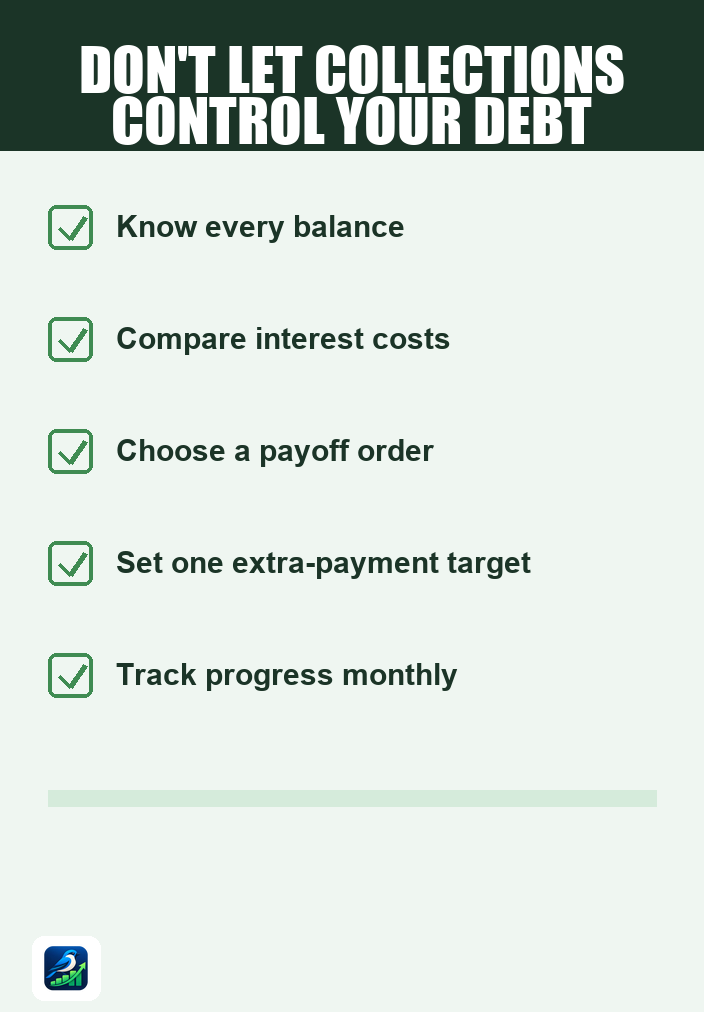
Now that you understand the importance of lowering balances for your credit score, let’s look at some practical strategies to achieve this.
1. Create a Budget
Begin by creating a detailed budget that outlines your income and expenses. Identify areas where you can cut back and allocate those funds toward paying down your debts. This will give you a clear roadmap for managing your finances.
2. Prioritize High-Interest Debt
Focus on paying off high-interest debts first. This not only lowers your balances but also saves you money in interest payments over time. Consider the debt avalanche method, where you pay the minimum on all debts but put any extra money toward the debt with the highest interest rate.
3. Make More Than the Minimum Payments
Whenever possible, try to pay more than the minimum monthly payments on your debts. This will reduce your principal balance faster and lower your credit utilization ratio more effectively.
4. Consider Debt Consolidation
If you have multiple debts, consolidating them into a single loan can simplify your payments and potentially lower your interest rate. However, be cautious as this may involve fees and could extend the repayment term, which could negate some benefits.
Tradeoffs and Considerations
While lowering your balances is generally beneficial for your credit score, there are tradeoffs and considerations to keep in mind.
- Debt Management Plans: If you choose to engage in a debt management plan, be aware that while it can provide structure, it may also limit your access to new credit during the repayment period.
- Debt Settlement: Unlike managing payments, debt settlement entails negotiating with creditors to pay less than what you owe. While it can reduce your overall debt, it may negatively impact your credit score and should not be viewed as a quick fix.
- Bankruptcy: This is a more drastic measure that can wipe out many debts, but it severely impacts your credit score and remains on your credit report for up to ten years.
Final Thoughts and Next Steps
Lowering your account balances can have a positive impact on your credit score by improving your credit utilization ratio and demonstrating responsible credit management. By employing practical strategies such as budgeting, prioritizing high-interest debt, and making larger payments, you can work towards achieving a healthier financial profile.
As you consider your options, take the time to evaluate your financial situation and choose the approach that aligns with your goals. If you find yourself overwhelmed, seeking guidance from a financial advisor or credit counselor can provide personalized support tailored to your needs.
In summary, take proactive steps to lower your balances, monitor your credit utilization, and be mindful of the tradeoffs involved in any debt management strategy. Your credit score improvement may take time, but with diligence and a strategic plan, you can pave the way for better financial health.