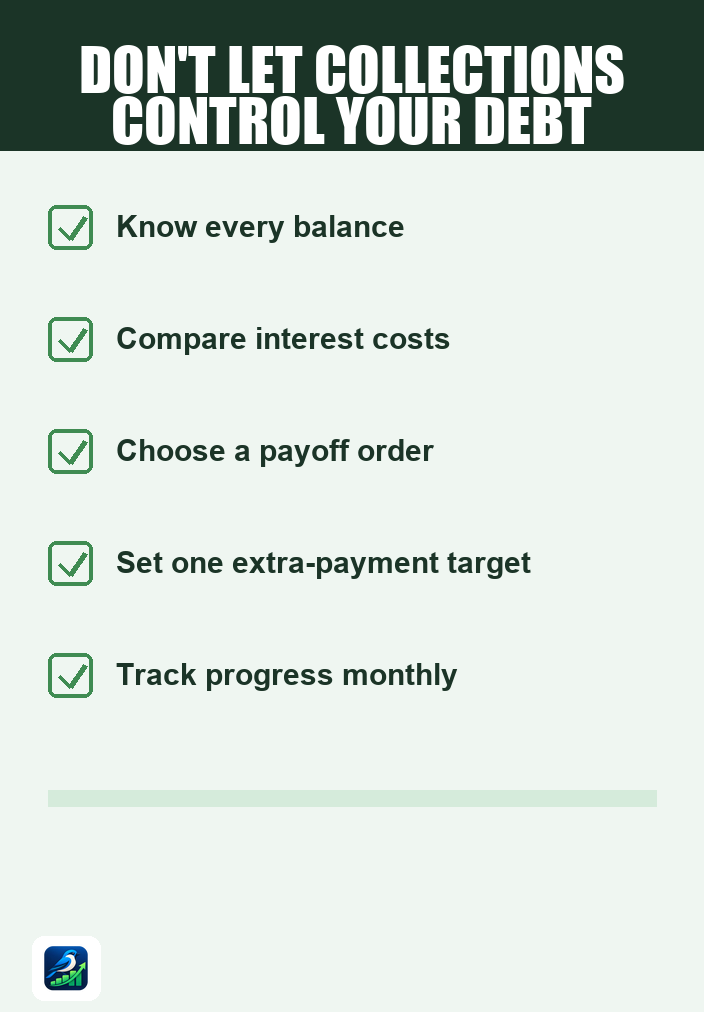
Understanding Your Situation After Being Contacted by a Collections Agency
Receiving a call or letter from a collections agency can be alarming, and it’s normal to feel overwhelmed. The important thing is to stay calm and take a structured approach to understand your situation. Here’s what to do first if you find yourself in this position.
1. Confirm the Debt
Your first step should be to confirm the validity of the debt. Collections agencies must provide you with certain information about the debt they are attempting to collect. Here’s how to confirm:
- Request Written Verification: Within five days of contacting you, the agency must send you a written notice that includes the amount of the debt, the name of the creditor, and your rights under the Fair Debt Collection Practices Act.
- Check Your Records: Review your personal records to see if you recognize the debt. If you have any documentation, such as payment history or correspondence with the original creditor, gather these documents.
- Look for Errors: Mistakes can happen. Ensure the amount they are claiming matches your records. If you find discrepancies, you have the right to dispute the debt.
2. Know Your Rights
Understanding your rights when dealing with collections agencies is crucial. The Fair Debt Collection Practices Act protects consumers from abusive practices. Here are some key points:
- Harassment is Prohibited: Collections agencies cannot use threatening language or contact you at unreasonable hours.
- Right to Dispute: You can dispute the debt within 30 days of receiving the written notice. Once you dispute it, the agency must cease collection activities until they verify the debt.
- Limit Contact: You can request that they stop contacting you. However, this doesn’t eliminate the debt; it merely stops their communication.
3. Gather Your Financial Information
Once you’ve confirmed the debt and know your rights, it’s time to assess your overall financial situation. Take the following steps:
- List Your Debts: Write down all your debts, including amounts owed, creditors, and due dates. This will help you understand your total financial picture.
- Review Your Income: Calculate your monthly income after taxes. This will help you determine how much you can allocate toward debt repayment.
- Evaluate Your Expenses: List your necessary monthly expenses. Identifying areas where you can cut costs will also help you manage your debt better.
4. Explore Your Options
After assessing your situation, consider the various options available to you. Each has its advantages and disadvantages:
Debt Repayment Plans
If you can afford to pay the debt, setting up a repayment plan with the collections agency may be an option. This allows you to pay off the debt in installments over time. Be cautious, though, as you should ensure the terms are manageable based on your budget.
Debt Settlement
Debt settlement involves negotiating with the creditor to pay a lump sum that is less than the total amount owed. While this can be a way to reduce what you owe, it can negatively impact your credit score and may result in tax implications, as forgiven debt can be considered taxable income.
Debt Consolidation
This option combines multiple debts into one loan with a potentially lower interest rate. While it simplifies payments, it requires good credit to qualify for favorable terms, and it may not be suitable for everyone.
Bankruptcy
As a last resort, bankruptcy can provide relief from overwhelming debt. However, it has long-term consequences for your credit and should only be considered after exploring all other options. Consult with a legal or financial professional before proceeding with this option.
5. Communicate With the Collections Agency
Once you’ve decided on a course of action, communicate clearly with the collections agency. Here are some tips:
- Document Everything: Keep copies of all correspondence and notes from phone calls, including dates, times, and the names of representatives.
- Be Professional: Maintain a calm and collected demeanor during discussions. This can help facilitate a more productive conversation.
- Get Agreements in Writing: If you negotiate a payment plan or settlement, ensure that you receive written confirmation of the agreements before making any payments.
6. Monitor Your Credit Report
After you’ve addressed the collections issue, keep an eye on your credit report. You are entitled to one free credit report from each of the major credit bureaus annually. Reviewing your report can help you understand how the collections entry might impact your credit score and allow you to monitor for any inaccuracies.
Next Steps
Dealing with a collections agency can be daunting, but taking these steps can empower you to handle the situation effectively. Start by confirming the debt and understanding your rights, then assess your financial situation. Explore your options, communicate with the agency, and monitor your credit report to stay informed. Remember, seeking professional guidance is a wise choice if you’re unsure about your next steps.