Understanding Credit Utilization and Its Importance
Credit utilization is a key factor in your credit score, representing the amount of credit you’re using compared to your total available credit. Essentially, if you have a credit limit of $10,000 and owe $3,000, your credit utilization is 30%. Keeping this figure below 30% is generally recommended, but if you’re paying off debt while on a tight budget, that can be challenging.
Managing your credit utilization effectively while tackling debt can help you maintain a healthier credit score, which is crucial for future financial opportunities. In this article, we’ll explore practical strategies to help you balance paying off debt while keeping your credit utilization in check.
1. Create a Detailed Budget
The first step in managing both your debt and credit utilization is to create a detailed budget. This helps you understand your cash flow and prioritize your payments.
Steps to Create Your Budget
- List all sources of income: Include your salary, side gigs, or any other income.
- Track your expenses: Document all fixed and variable expenses, like rent, groceries, transportation, and discretionary spending.
- Identify your debt obligations: Write down all debts, including credit cards, personal loans, and any other outstanding amounts.
- Allocate funds for debt repayment: Decide how much you can realistically put towards your debts each month.
By having a clear picture of your finances, you can make informed decisions about how to manage your debts while keeping an eye on your credit utilization.
2. Strategically Pay Down Debt
With a budget in place, you’ll want to focus on paying down your debts strategically. This helps you reduce both your overall debt load and your credit utilization ratio.
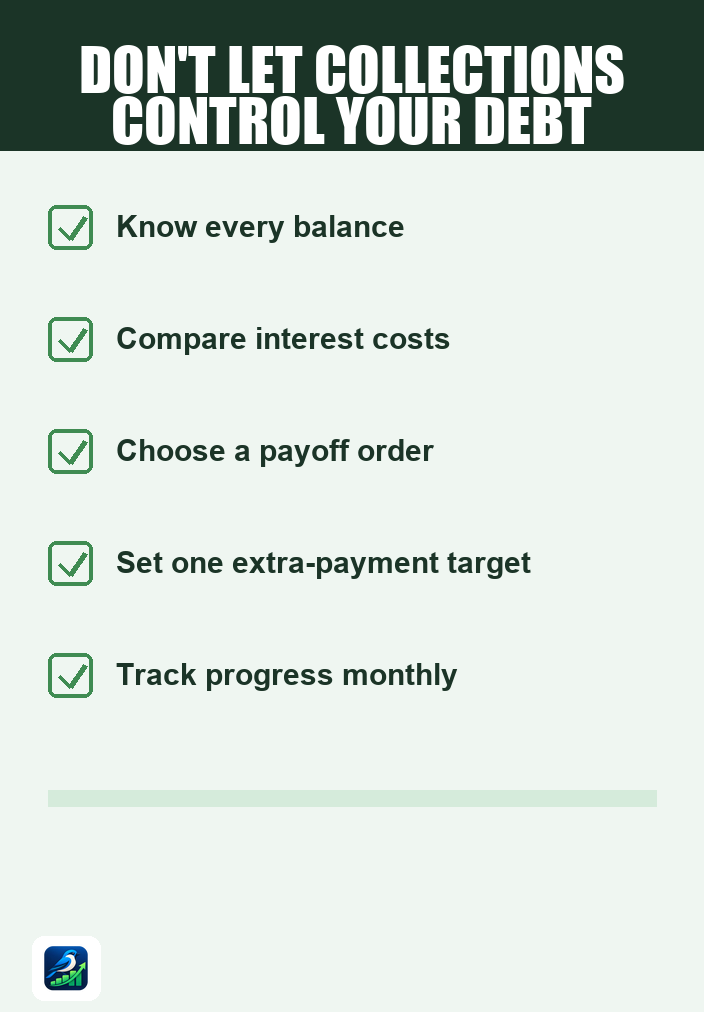
Choose a Payoff Strategy
- The Snowball Method: Pay off your smallest debts first. This can provide quick wins and motivation.
- The Avalanche Method: Focus on the debts with the highest interest rates first. This saves you money on interest in the long run.
Regardless of the method you choose, the key is to make consistent payments towards your debts, which will gradually lower your credit utilization ratio.
3. Keep Credit Card Balances Low
While you’re paying off debt, try to avoid accumulating additional debt on your credit cards. Here are some practical tips:
- Limit new purchases: Use cash or a debit card for necessary expenses to avoid adding to your credit card balance.
- Pay more than the minimum: If you can, pay more than the minimum payment on your credit cards each month to reduce your balance more quickly.
- Utilize balance transfers cautiously: If you have a card with a low or 0% introductory rate, transferring a balance can help manage your utilization. Just be mindful of any transfer fees and the end date of the promotional rate.
4. Monitor Your Credit Utilization Ratio
Regularly checking your credit utilization ratio can help you stay on track. You can do this by:
- Using Credit Monitoring Tools: Many financial institutions offer free credit monitoring tools.
- Reviewing Credit Card Statements: Keep an eye on your balances and limits each month.
By staying informed about your credit utilization, you can adjust your spending and payment strategies as needed.
5. Request Credit Limit Increases
If your financial situation allows, consider requesting a credit limit increase on your existing credit cards. This can lower your credit utilization ratio as long as you don’t increase your spending. However, be cautious:
- Check your credit report first: Ensure there are no negative items that could impact your request.
- Be prepared for a hard inquiry: Some creditors may perform a hard inquiry on your credit report, which can slightly affect your score.
6. Consider Debt Management Options
If you’re feeling overwhelmed, it might be wise to explore debt management options. These can help you organize your payments and potentially lower your interest rates.
Types of Debt Management Options
- Debt Management Plans: Typically facilitated by credit counseling agencies, these plans can consolidate payments and negotiate lower interest rates.
- Debt Consolidation Loans: This allows you to combine multiple debts into one loan with a lower interest rate.
- Debt Settlement: Involves negotiating with creditors to settle your debt for less than you owe, usually as a last resort.
Before choosing any of these options, consider seeking advice from a financial professional to understand the potential implications for your credit score and overall financial health.
Next Steps for Effective Management
Managing credit utilization while paying off debt on a tight budget can be challenging, but it’s certainly achievable with the right strategies. Here’s a quick recap of your actionable steps:
- Create a detailed budget to track income, expenses, and debt obligations.
- Choose a debt payoff strategy that aligns with your financial situation.
- Keep credit card balances low and avoid new debt accumulation.
- Monitor your credit utilization regularly and adjust your strategies as needed.
- Consider requesting credit limit increases if it makes sense for you.
- Explore professional debt management options if necessary.
By following these steps, you can effectively manage your credit utilization while working towards becoming debt-free. Remember, consistency and discipline are key. Small, steady changes can lead to significant improvements over time.