Understanding Your Credit Score: An Essential Step in Managing Credit Card Debt
Your credit score is a crucial piece of your financial identity, influencing your ability to borrow money, secure favorable interest rates, and even obtain certain jobs. When you’re juggling credit card debt, monitoring your credit score becomes even more important. Understanding how your credit score works and its relationship with your debt management strategies can empower you to make informed decisions.
The Relationship Between Credit Scores and Credit Card Debt
Credit scores range from 300 to 850 and are calculated based on several factors, including your payment history, credit utilization, length of credit history, types of credit in use, and new credit inquiries. Managing your credit card debt can directly impact these factors:
- Payment History: This is the most significant factor in your credit score. Late payments can severely damage your score.
- Credit Utilization: This ratio compares your total credit card balances to your total credit limits. Ideally, you should keep this ratio below 30%. High utilization can hurt your score.
- Length of Credit History: The longer your accounts are open and in good standing, the better for your score.
Regularly Monitoring Your Credit Score
To effectively manage your credit card debt while keeping an eye on your score, you should monitor your credit regularly. Here are practical steps to do so:
1. Access Your Credit Reports
You’re entitled to one free credit report from each of the three major credit bureaus annually. Review these reports for inaccuracies or unfamiliar accounts, which could indicate identity theft. Correcting errors can improve your score.
2. Use Credit Monitoring Services
Consider using a credit monitoring service that provides updates on your credit score and alerts you to changes. This can help you stay on top of your financial situation and catch issues early.
3. Set Up Alerts
Many banks and financial institutions offer credit score alerts. Set these up to notify you of significant changes to your score, so you can take action if necessary.
Strategies for Managing Credit Card Debt
Effectively managing credit card debt can help you improve your credit score over time. Here are some strategies to consider:
1. Create a Budget
A well-planned budget allows you to allocate funds toward debt repayment. Identify essential expenses and discretionary spending. Redirect any excess toward paying off your credit cards.
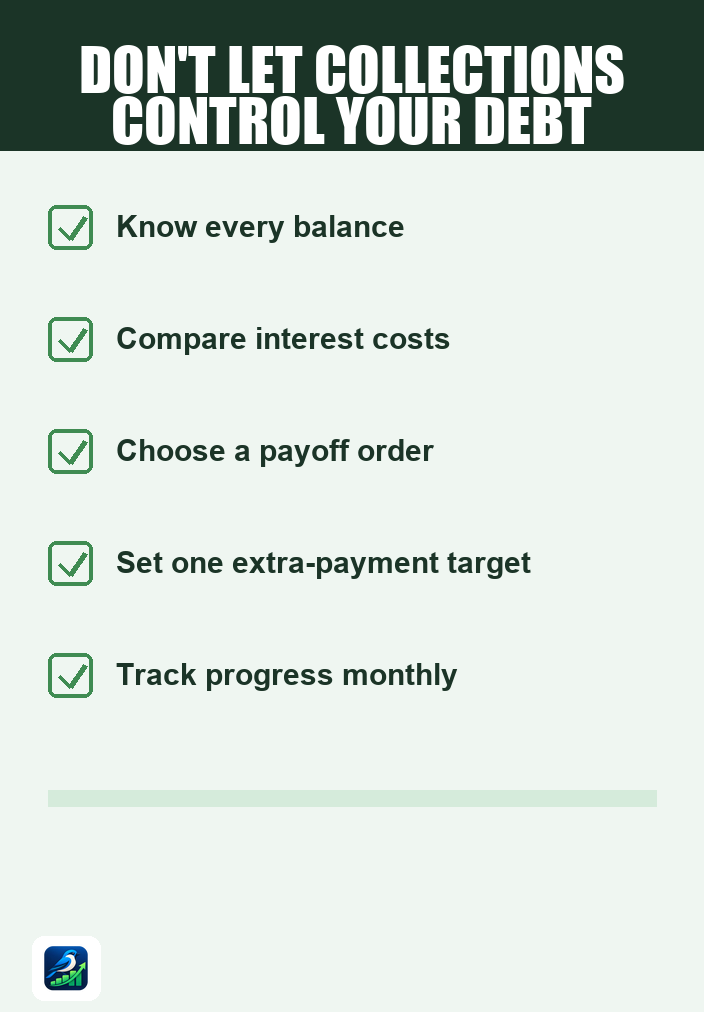
2. Snowball vs. Avalanche Methods
Two popular methods for paying down debt are:
- Snowball Method: Pay off the smallest debts first to gain momentum.
- Avalanche Method: Focus on the debt with the highest interest rate to save on interest costs.
Choose the method that aligns best with your personality and financial goals.
3. Negotiate with Creditors
If you’re struggling to make payments, consider contacting your creditors. They may offer hardship programs, lower interest rates, or alternative payment plans to help you manage your debt.
Debt Consolidation: A Double-Edged Sword
Debt consolidation combines multiple debts into a single loan, potentially lowering your interest rates and simplifying your payments. However, it’s important to weigh the pros and cons:
- Pros: Simplified payments, potential lower interest rates, and a clearer payoff timeline.
- Cons: Risk of accruing more debt if spending habits don’t change, potential impact on your credit score during the application process, and fees associated with new loans.
Debt Management vs. Debt Settlement
Understanding the differences between debt management and debt settlement is crucial in your journey:
- Debt Management: Involves working with a credit counseling agency to create a plan to repay your debts in full over time.
- Debt Settlement: Involves negotiating with creditors to pay less than what you owe, which can negatively impact your credit score and is not guaranteed.
Choose the option that aligns with your financial situation and be aware of the potential consequences.
The Role of Bankruptcy in Credit Management
Bankruptcy can be a last resort for overwhelming debt. It may provide relief, but it also has long-term consequences for your credit score. It typically remains on your credit report for 7-10 years. Before considering this path, consult a financial advisor or attorney to fully understand the implications.
Practical Next Steps
Managing credit card debt while monitoring your credit score requires diligence and strategy. Here are some actionable next steps:
- Access your free credit reports and review them for accuracy.
- Set up a budget that prioritizes debt repayment.
- Choose a debt repayment strategy (snowball or avalanche) that suits your style.
- Consider consolidating debt only if it makes sense for your financial situation.
- Regularly monitor your credit score to track your progress.
By actively managing your credit card debt and understanding your credit score, you can take control of your finances and work toward a healthier financial future.