
Understanding Debt Consolidation: A Solution for Struggling with Credit Card Payments
If you’re struggling to keep up with your credit card payments, you’re not alone. Many adults find themselves in a similar situation, juggling multiple bills and high interest rates. One potential solution to consider is debt consolidation. This can simplify your finances, reduce your monthly payments, and potentially lower your interest rates. However, it’s essential to understand how debt consolidation works and the various options available so you can make an informed decision.
What is Debt Consolidation?
Debt consolidation is the process of combining multiple debts into a single loan or payment. This can make it easier to manage your payments and track your debt. There are several methods to consolidate debt, each with its pros and cons. The primary goal is to simplify your financial obligations and ideally reduce the overall cost of your debt.
Types of Debt Consolidation Options
Here are the most common methods of debt consolidation:
- Personal Loans: Taking out a personal loan from a bank, credit union, or online lender can allow you to pay off multiple credit card debts at once. You’ll then make one monthly payment towards the personal loan.
- Balance Transfer Credit Cards: These cards offer a low or zero introductory interest rate for a limited time. Transferring your high-interest credit card balances to a balance transfer card can save you money on interest, provided you pay off the balance before the introductory period ends.
- Home Equity Loans or Lines of Credit: If you own a home, you may be able to borrow against your home’s equity. These loans often have lower interest rates than credit cards but come with the risk of losing your home if you cannot make payments.
- Debt Management Plans: These plans are often offered by credit counseling agencies. They negotiate with your creditors to lower interest rates and create a structured repayment plan. You’ll make one payment to the agency, which then pays your creditors.
The Trade-offs of Debt Consolidation
While debt consolidation can be an effective way to manage payments, it’s essential to understand the trade-offs involved:
- Potential Costs: Depending on the method you choose, there may be fees associated with loans or balance transfers. Read the fine print to understand any costs involved.
- Impact on Credit Score: Applying for new credit can temporarily impact your credit score. Additionally, if you close credit card accounts after transferring balances, this can also affect your credit utilization ratio.
- Not a Cure-All: Debt consolidation does not eliminate your debt. It merely restructures it. If you continue to accrue new debt, you may find yourself in a similar situation in the future.
- Commitment to Repayment: Consolidating debt requires a commitment to stick to a repayment plan. If you miss payments, you could face penalties or higher interest rates.
Steps to Consolidate Your Debt Effectively
Here’s a practical approach to consolidating your debt:
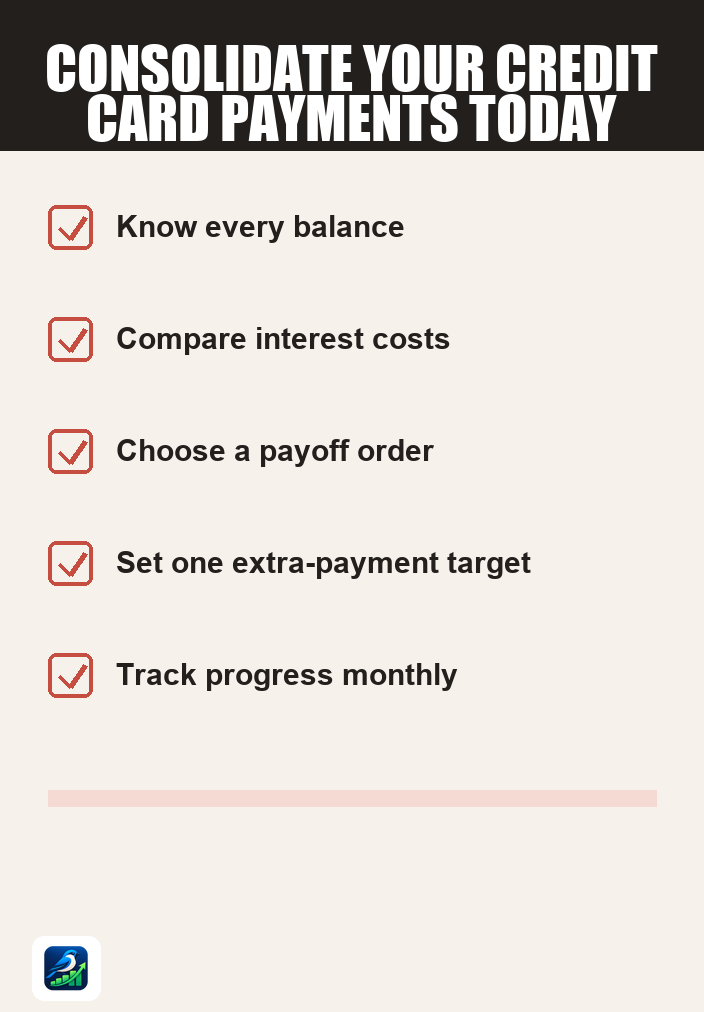
- Assess Your Debt: List all your debts, including the outstanding balance, interest rates, and minimum monthly payments. This will help you understand the total amount you owe and prioritize which debts to tackle first.
- Determine Your Budget: Review your monthly income and expenses to see how much you can afford to pay towards debt each month. This will help you identify which consolidation option is feasible.
- Research Options: Explore various debt consolidation methods, such as personal loans or balance transfer cards. Compare interest rates, terms, and fees to find the best fit for your situation.
- Apply for a Consolidation Loan or Card: Once you’ve chosen a method, apply for the necessary loan or credit card. Be prepared to provide information about your income, debts, and credit history.
- Create a Repayment Plan: If you receive a loan or balance transfer card, create a plan to pay off the debt. Set a timeline for repayment and stick to the plan.
- Monitor Your Progress: Regularly check in on your debt repayment progress. Adjust your budget as necessary and stay disciplined to avoid accruing more debt.
Alternatives to Debt Consolidation
If debt consolidation doesn’t seem like the right fit for you, several alternatives can help manage credit card debt:
- Debt Settlement: This involves negotiating with creditors to settle your debt for less than what you owe. While it may reduce the total amount, it often impacts your credit score and may require a lump-sum payment.
- Bankruptcy: If your debt is overwhelming, bankruptcy may be an option. It can provide relief from most debts, but it has long-lasting effects on your credit and financial future. Consulting a legal professional is essential if considering this route.
- Credit Counseling: Seeking help from a certified credit counselor can provide you with personalized advice and assistance in managing your debt. They can help you explore options and create a plan tailored to your needs.
Final Thoughts: Next Steps for Debt Consolidation
Struggling with credit card payments can be daunting, but debt consolidation might be a viable solution to consider. Start by assessing your current debts and budgeting your finances. Research different consolidation options and their associated trade-offs. Remember, each option has its pros and cons, and what works for one person may not be suitable for another.
Before making any decisions, it may also be wise to consult with a financial professional who can help you navigate your options and develop a plan that best fits your situation. Taking proactive steps now can help you regain control over your financial future.



















