
Understanding the Impact of Late Credit Card Payments
Late credit card payments can quickly become a source of stress for many individuals. They can lead to increased interest rates, late fees, and potential damage to your credit score. If you find yourself in a situation where you’re struggling to make timely payments, it’s essential to understand your options and the possible consequences. This guide offers practical insights to help you navigate this challenging situation.
What Happens When You Miss a Payment?
Missing a credit card payment can trigger a chain of events that complicates your financial situation:
- Late Fees: Most credit card companies will impose a late fee if your payment is not received by the due date. These fees can vary, but they typically range from $25 to $40.
- Increased Interest Rates: A late payment may result in your interest rate increasing. This could apply to both your current balance and future purchases.
- Credit Score Impact: Payment history is a significant factor in your credit score. A single late payment can lower your score by several points, making it harder to secure favorable loan terms in the future.
- Potential for Collections: If you continue to miss payments, your account may be sent to collections, which can significantly impact your credit and lead to further financial issues.
Assessing Your Situation: Steps to Take Immediately
If you realize you’ve missed a payment, it’s crucial to take action promptly. Here are steps to consider:
- Check Your Payment Status: Log into your credit card account to confirm whether your payment has been processed. Sometimes, payments may be delayed due to technical issues.
- Make the Payment ASAP: If you’re within a reasonable timeframe (often within a few days), making the payment as soon as possible can help mitigate late fees and potential credit score damage.
- Review Your Budget: Take a closer look at your finances. Are there areas where you can cut back to ensure timely payments in the future?
- Contact Your Credit Card Issuer: If you’re facing genuine financial hardship, reach out to your credit card company. They may offer assistance, such as waiving the late fee or setting up a more manageable payment plan.
Exploring Your Options for Managing Late Payments
Depending on your financial circumstances, you may consider several options:
1. Payment Plans
If you anticipate ongoing difficulty with payments, ask your creditor about setting up a manageable payment plan. This might include:
- Lower monthly payments spread over a longer term.
- Temporary reductions in interest rates.
2. Debt Management Programs
Debt management programs can help you consolidate your debts into one monthly payment. They typically involve working with a credit counseling agency that negotiates with creditors on your behalf. Keep in mind:
- While this can simplify payments, you may still incur fees for the service.
- Not all creditors participate in these programs, so some debts may not be included.
3. Debt Consolidation Loans
A debt consolidation loan allows you to combine multiple debts into a single loan, ideally with a lower interest rate. However:
- You need a decent credit score to qualify for the best rates.
- This option may extend your repayment period, leading to paying more interest over time.
4. Debt Settlement
Debt settlement involves negotiating with creditors to settle your debts for less than you owe. Consider the following:
- This option can significantly impact your credit score.
- It often requires you to stop making payments for a time, which can lead to additional fees and penalties.
5. Bankruptcy
As a last resort, bankruptcy may be an option if you’re overwhelmed by debt. Key points to consider:
- Bankruptcy can provide relief from debts, but it has long-lasting effects on your credit.
- The rules and implications can vary significantly, so professional legal guidance is advisable.
Preventing Future Late Payments
Once you’ve navigated your current situation, it’s essential to take steps to prevent future late payments:
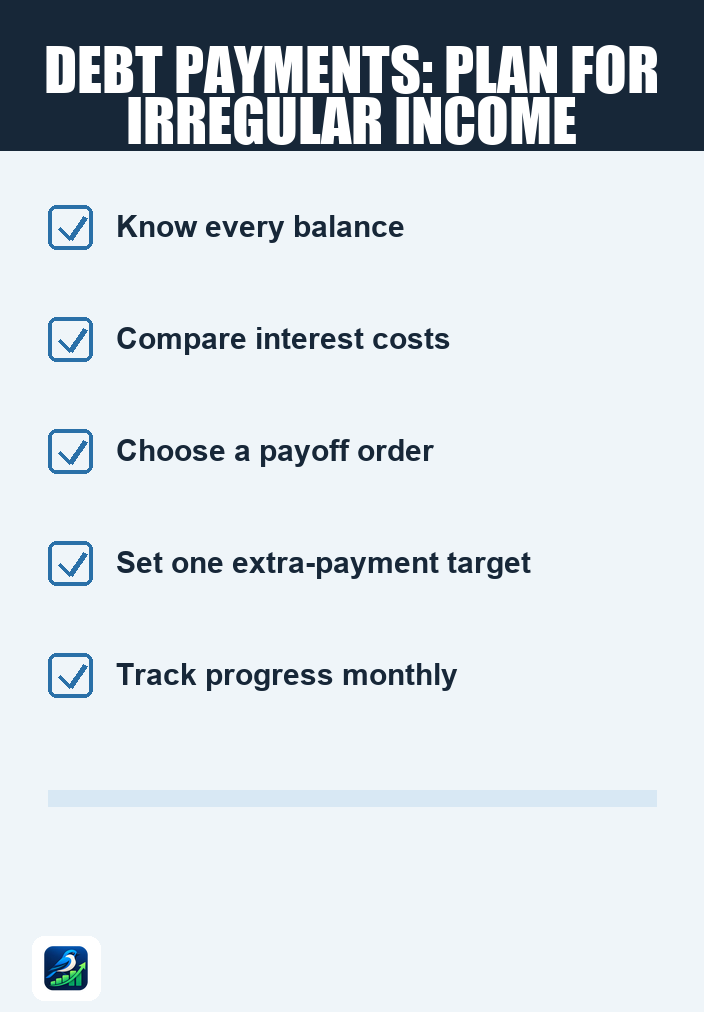
- Set Up Payment Reminders: Use calendar alerts or mobile apps to remind you of upcoming due dates.
- Automate Payments: Consider setting up automatic payments for at least the minimum amount due.
- Review Your Spending Habits: Regularly assess your monthly budget to ensure you’re living within your means and can accommodate your debt obligations.
Next Steps: What to Do Now
Late credit card payments can be daunting, but you have options. Begin by assessing your immediate situation and taking action on any missed payments. Explore the various management options available to you and create a plan to avoid future late payments. Remember to consider seeking professional guidance if your financial situation is complex or overwhelming. Taking proactive steps today can lead to a more manageable financial future.