
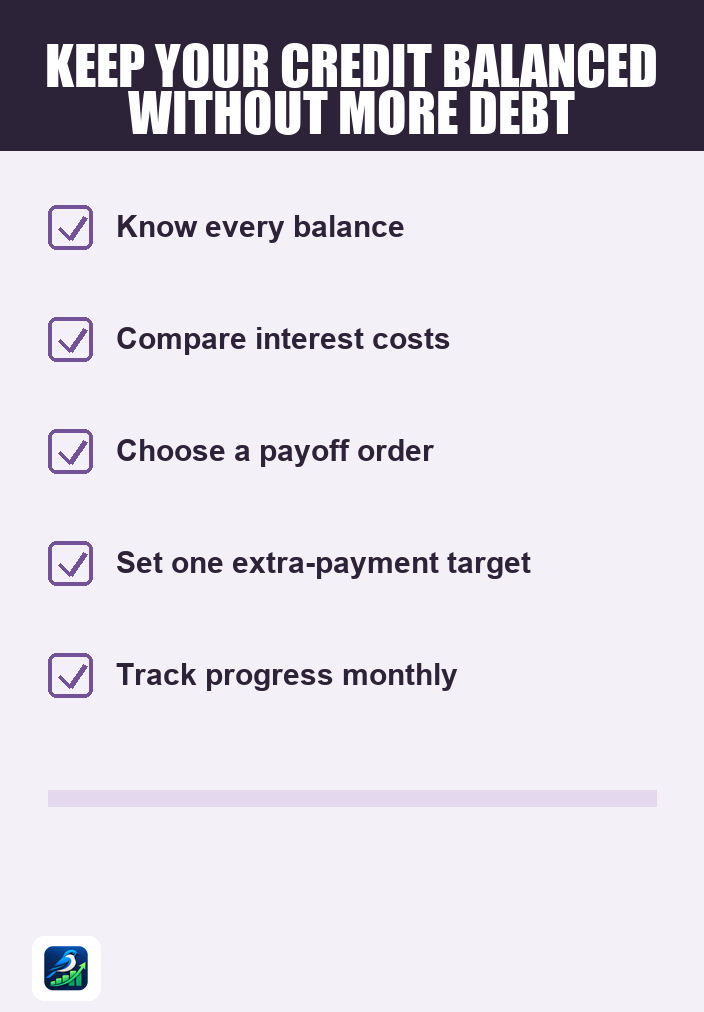
Understanding Credit Utilization
Credit utilization is a critical component of your credit score, representing the ratio of your current credit card balances to your credit limits. Maintaining a healthy credit utilization rate—generally recommended to be below 30%—is essential for demonstrating responsible credit use. However, many individuals find themselves in a challenging position: they want to keep their credit utilization low but are also concerned about accumulating more debt. This article will explore practical ways to maintain your credit utilization without falling deeper into debt.
Assessing Your Current Credit Situation
Before making any changes, it’s important to understand your current financial landscape. Start by gathering the following information:
- List of Credit Accounts: Make a comprehensive list of all your credit cards, including their credit limits and current balances.
- Calculate Your Utilization Ratio: Use the formula (Total Credit Card Balances / Total Credit Limits) x 100 to find your current utilization rate.
- Review Payment History: Check for any missed payments or late fees that could be affecting your credit standing.
Having this information at hand will help you understand where you currently stand and what steps you need to take moving forward.
Strategies to Maintain Credit Utilization
Once you have a clear picture of your credit situation, consider these practical strategies to keep your credit utilization in check without incurring additional debt.
1. Make Consistent Payments
One of the simplest ways to manage your credit utilization is by making consistent payments on your credit cards. Here are some tips:
- Pay More Than the Minimum: Always try to pay more than the minimum payment to reduce your balance more quickly.
- Make Multiple Payments: If possible, make multiple payments throughout the month. This approach can help keep your balances lower before your statement is generated.
2. Increase Your Credit Limit
Another way to lower your utilization ratio without increasing your debt is to request a credit limit increase. Here’s how:
- Assess Your Eligibility: Review your credit history and payment patterns. If you’ve been a responsible borrower, you may have a good chance of receiving a limit increase.
- Request Increments Wisely: Only ask for an increase if you’re confident you don’t need to rely on the additional credit for spending.
Keep in mind that requesting a credit limit increase may result in a hard inquiry on your credit report, which can temporarily affect your score.
3. Use Low-Balance Credit Cards
If you have multiple credit cards, consider using the one with the lowest balance for your purchases. This can help you keep your overall utilization rate down. Additionally:
- Switch to Cash or Debit: When possible, use cash or your debit card for everyday purchases to avoid accumulating more credit card debt.
- Set a Budget: Establish a monthly budget that limits your spending to ensure you stay within your means and avoid overspending on credit.
4. Monitor Your Credit Regularly
Regular monitoring of your credit can help you stay on top of your credit utilization and detect any issues early. Consider these steps:
- Use Credit Monitoring Tools: Many services offer free credit monitoring, allowing you to track changes in your credit score and receive alerts about significant changes.
- Review Your Credit Reports: Obtain free copies of your credit reports annually to check for accuracy and identify areas for improvement.
Understanding the Trade-Offs
While these strategies can help you maintain your credit utilization without accumulating more debt, it’s essential to understand the trade-offs involved:
- Credit Limit Increases: While they can lower your utilization ratio, they may also lead to overspending if not managed carefully.
- Paying Off Balances: Focusing on paying off debt may limit your cash flow for other expenses in the short term.
- Using Cash or Debit: This approach is effective in preventing credit card debt, but it may not help build your credit score without responsible credit use.
Alternative Options to Consider
If managing credit utilization becomes overwhelming, you may want to explore alternatives:
- Debt Consolidation: This process involves combining multiple debts into a single loan, potentially lowering your interest rate. However, it may extend the time it takes to pay off your debt.
- Debt Management Plans: Working with a credit counseling organization can provide you with support and strategies to manage your debts effectively.
- Debt Settlement: This involves negotiating with creditors to settle for less than owed, but it can negatively impact your credit score.
- Bankruptcy: This is a last-resort option that can discharge many unsecured debts but comes with significant long-term consequences for your credit.
Consulting with a financial advisor or credit counselor may be helpful to understand which option aligns best with your situation.
Next Steps
Maintaining credit utilization without accumulating more debt requires a thoughtful approach to your spending and payments. Start by assessing your current credit situation, then follow the strategies outlined above. Regular monitoring and a clear understanding of your options will empower you to manage your credit effectively.
Take action today by creating a budget, setting up payment reminders, or reviewing your credit report. Small steps can lead to significant improvements in your financial health over time.



















