
Understanding Credit Utilization and Debt Management
When it comes to managing credit card debt, many people focus on maintaining a low credit utilization ratio. This ratio, which compares your credit card balances to your credit limits, is often touted as critical for a healthy credit score. However, prioritizing lower credit utilization without a comprehensive understanding of your overall financial situation can lead to unintended consequences. In this article, we will explore why this approach can backfire, especially when paying down debt.
What is Credit Utilization?
Credit utilization is a measure that reflects how much of your available credit you are using. It is typically expressed as a percentage. For instance, if you have a credit limit of $10,000 and a balance of $2,000, your credit utilization is 20%. A lower utilization rate is generally seen as favorable, with many experts recommending a target of below 30% for optimal credit scoring.
The Appeal of Low Credit Utilization
Keeping credit utilization low is often considered beneficial for a couple of reasons:
- Credit Score Impact: A lower utilization rate may help improve your credit score, which can be advantageous when applying for loans or credit.
- Financial Discipline: Managing lower utilization can encourage better spending habits and financial discipline.
Why Prioritizing Low Credit Utilization Can Backfire
While the benefits of low credit utilization are appealing, focusing solely on this metric can lead to several pitfalls in your financial journey:
1. Ignoring High-Interest Debt
One of the most significant risks of emphasizing credit utilization is neglecting higher-interest debts. For example, if you have both a credit card with a 20% interest rate and a personal loan at 5%, you might prioritize paying down the credit card to lower your utilization ratio. However, the cost of carrying that high-interest debt can outweigh the benefits of a better credit score.
Instead, it may be more effective to prioritize paying down high-interest debts first, even if that means temporarily increasing your credit utilization ratio.
2. Misallocating Payments
Focusing on credit utilization might lead you to misallocate your payments. For instance, if you have multiple credit cards, you might pay off a lower balance card to improve your utilization rate. However, if that card has a lower interest rate, you could be better served by putting that money toward a card with a higher balance and interest rate. This misallocation can extend the time it takes to become debt-free.
3. Creating Financial Stress
Obsessing over credit utilization can create unnecessary financial stress. You may find yourself making sacrifices to keep your utilization low, such as cutting back on essential expenses or foregoing savings opportunities. This stress can lead to decision fatigue, where the pressure to maintain a low utilization rate negatively impacts your overall financial well-being.
4. Short-Term Fix, Long-Term Problem
Paying down debt to lower credit utilization may provide short-term relief, but if it doesn’t address the underlying issues of spending habits or financial literacy, the problem can resurface. If you manage to bring your utilization down but don’t change the behavior that led to high debt levels in the first place, you might find yourself back in a similar situation.
Alternatives to Prioritizing Low Credit Utilization
Instead of focusing solely on credit utilization, consider these alternatives to better manage your debt:
1. Create a Comprehensive Debt Repayment Plan
Develop a debt repayment strategy that accounts for interest rates and balances. Use either the snowball method—paying off the smallest debts first to build momentum—or the avalanche method—paying off the highest-interest debts first to save on interest over time. This approach can help you gain control over your debt more effectively.
2. Consolidate Debt Wisely
Debt consolidation involves combining multiple debts into a single loan, often at a lower interest rate. While this can simplify payments, it’s crucial to understand the terms and potential fees before proceeding. Make sure the consolidation plan addresses your financial habits to prevent falling back into debt.
3. Focus on Financial Education
Invest time in improving your financial literacy. Understanding how credit works, the implications of interest rates, and the best practices for budgeting can empower you to make more informed decisions. This knowledge can help you avoid the pitfalls of focusing solely on credit utilization.
4. Build an Emergency Fund
Establishing an emergency fund can provide a financial cushion that may prevent you from relying on credit cards in the future. This fund can help you navigate unexpected expenses without increasing your debt levels, ultimately contributing to a healthier credit utilization rate over time.
Next Steps for Managing Your Debt
In summary, while lower credit utilization can have its advantages, it’s essential to consider the broader context of your financial health. Prioritizing a low utilization ratio at the expense of addressing high-interest debt or misallocating payments can lead to more significant challenges down the line.
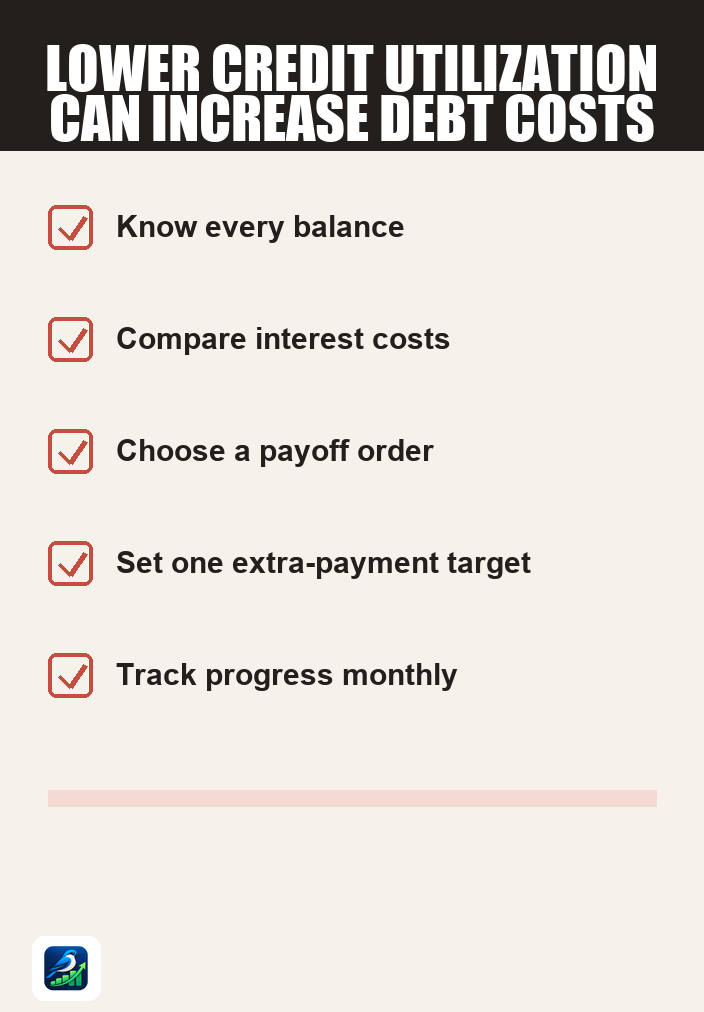
To take actionable steps towards managing your debt effectively:
- Evaluate your debts, focusing on interest rates and balances.
- Create a repayment strategy that aligns with your overall financial goals.
- Consider debt consolidation only if it serves your long-term interests.
- Invest time in learning about personal finance to empower your decision-making.
- Establish an emergency fund to prevent future reliance on credit.
By taking a more holistic approach to your financial situation, you can avoid the potential pitfalls of focusing too narrowly on credit utilization and work towards a more stable financial future.



















