
Understanding the Minimum Payment Trap
Many people find themselves in a cycle of making minimum payments on their credit cards. While this may seem like the easiest way to manage debt, it often leads to excessive payoff times and interest accumulation. Understanding how to navigate this situation can help you take control of your finances and reduce your debt more effectively.
Why Minimum Payments Are a Problem
Minimum payments are typically calculated as a small percentage of your total balance, often around 1% to 3%, plus any interest and fees. This means that if you only pay the minimum, a significant portion of your payment goes toward interest rather than reducing your principal balance. As a result, you could remain in debt for many years, incurring higher costs in the long run.
Strategies to Reduce Payoff Time
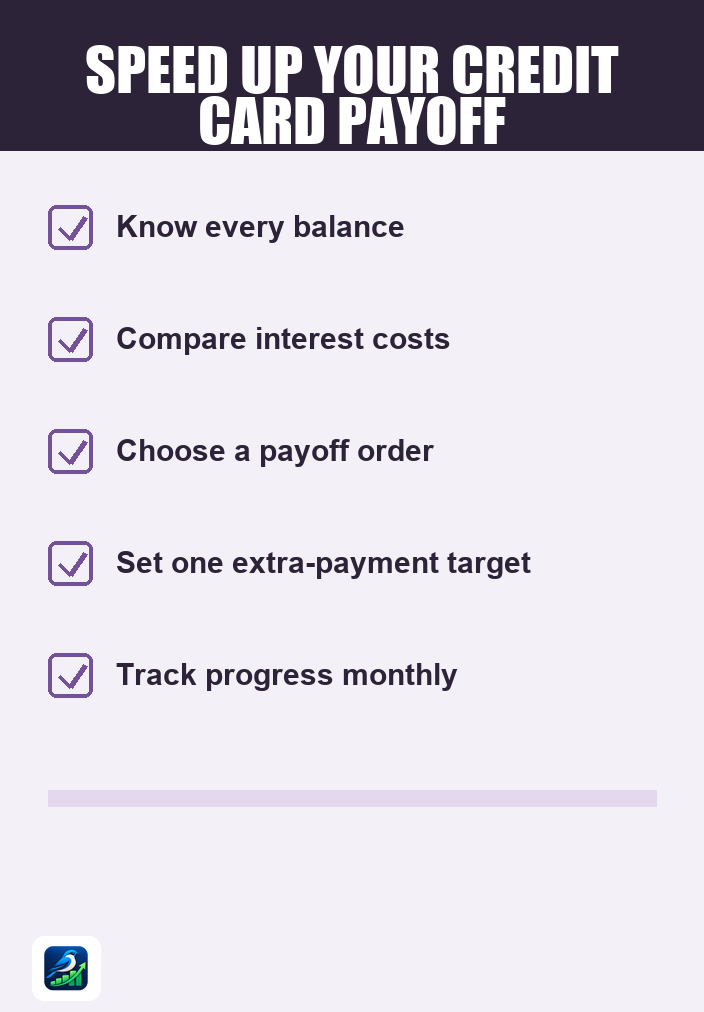
To avoid extended payoff times while managing your credit card debt, consider the following strategies:
1. Pay More Than the Minimum
The simplest and most effective way to reduce your payoff time is to increase your monthly payment. Even a small increase can make a significant difference. For example, if your minimum payment is $50, try paying $75. This extra amount goes directly toward your principal, reducing your balance faster.
2. Snowball or Avalanche Method
If you have multiple debts, consider using the snowball or avalanche method:
- Snowball Method: Pay off the smallest debt first while making minimum payments on others. Once it’s paid off, move to the next smallest debt. This method can provide motivational boosts.
- Avalanche Method: Focus on the debt with the highest interest rate first. This approach saves you more money in interest over time.
3. Create a Budget
Establishing a budget helps you identify areas where you can cut back on spending. This extra money can then be allocated to your debt payments. Tracking your expenses can reveal unnecessary expenditures that can easily be reduced or eliminated.
Consider Debt Consolidation
Debt consolidation involves combining multiple debts into a single loan with a potentially lower interest rate. This can simplify your payments and may make it easier to manage your debt. However, it’s essential to weigh the pros and cons:
- Pros: One payment to manage, potential lower interest rates, and fixed monthly payments.
- Cons: It may require a good credit score, and if not managed well, you could end up in more debt.
4. Negotiate Lower Interest Rates
Contact your credit card issuer to negotiate a lower interest rate. While not guaranteed, many companies are willing to work with you, especially if you have a good payment history. A reduced rate means less interest accrues on your balance, allowing you to pay down your debt more quickly.
5. Use Windfalls Wisely
If you receive an unexpected financial boost, such as a tax refund, bonus, or inheritance, consider using a portion of it to pay down your debt. This can significantly reduce your principal balance and your payoff time.
Exploring Debt Management Plans
A debt management plan (DMP) involves working with a credit counseling agency to create a structured repayment plan. This option can help you manage your debt more effectively, but keep these factors in mind:
- Benefits: Potentially lower interest rates, a structured payment plan, and professional guidance.
- Drawbacks: Fees may apply, and it could take several years to complete the plan. Additionally, you may need to close your credit accounts.
6. Prioritize High-Interest Debt
If you have multiple credit cards, focus on paying off those with the highest interest rates first. This approach minimizes the amount of interest you pay overall and helps you pay off your debt faster.
Understanding the Role of Bankruptcy
Bankruptcy can be a last resort for managing unsustainable debt. While it may provide relief in certain circumstances, it has significant long-term consequences, including an impact on your credit report. Consider the following:
- Chapter 7 Bankruptcy: May discharge unsecured debts but requires you to liquidate some assets.
- Chapter 13 Bankruptcy: Allows you to keep your assets while establishing a repayment plan over three to five years.
Consulting with a legal professional for tailored advice regarding bankruptcy is crucial, given its complexity and varying implications based on individual circumstances.
Next Steps for Managing Your Debt
Managing credit card debt effectively requires a proactive approach. Here are some practical next steps:
- Review your current debts and interest rates.
- Create a budget that allocates funds toward debt repayment.
- Consider increasing your monthly payments, even slightly, to see quicker results.
- Explore options like debt consolidation or a debt management plan if you need additional support.
- Stay disciplined and regularly reassess your financial situation to make necessary adjustments.
By implementing these strategies, you can significantly reduce the time it takes to pay off your credit card debt and regain control over your financial future.



















