
Understanding the Basics of a Credit Card Payoff Calculator
A credit card payoff calculator is a handy tool that helps you estimate how long it will take to pay off your credit card debt, based on various factors like your balance, interest rate, and monthly payment amounts. For anyone struggling with credit card debt, this tool can offer valuable insights into your financial situation and help you make informed decisions about repayment strategies.
How to Use a Credit Card Payoff Calculator
Using a credit card payoff calculator is straightforward. Here’s a step-by-step guide to help you get started:
- Gather Your Information: Before using the calculator, collect the following details:
- Your current credit card balance.
- Your annual percentage rate (APR).
- Your intended monthly payment amount.
- Input Your Data: Enter your balance, APR, and monthly payment into the calculator. Some calculators may also allow you to include additional payments or changes in interest rates.
- Analyze the Results: After you input your data, the calculator will provide you with various outputs, such as the total interest you will pay, the time it will take to pay off the debt, and any potential savings from increasing your monthly payments.
Key Features to Look for in a Payoff Calculator
Not all credit card payoff calculators are created equal. When searching for one, consider the following features to enhance your experience:
- Customizable Payment Options: Look for a calculator that lets you adjust monthly payments and see how these changes affect your payoff timeline.
- Interest Rate Changes: Some calculators allow you to simulate different interest rates, which can be helpful if you plan to transfer balances to a card with a lower rate.
- Graphs and Visualizations: Visual aids can make it easier to understand your debt repayment journey at a glance.
Benefits of Using a Credit Card Payoff Calculator
Utilizing a credit card payoff calculator offers several benefits:
- Clarity on Debt Obligations: It helps you visualize the impact of your current debt situation and how long it will take to be free from it.
- Informed Decision-Making: You can experiment with different payment strategies and see how they affect your debt repayment timeline.
- Motivation to Change Habits: Seeing the results of higher payments or changes in interest rates can motivate you to take action.
Practical Scenarios to Illustrate Usage
Let’s consider a couple of scenarios to illustrate how a credit card payoff calculator can be effectively used:
Scenario 1: Sticking to Minimum Payments
Imagine you have a $5,000 balance on a credit card with a 20% APR. If you only make the minimum payment of $150 each month, you might discover through the calculator that it will take over five years to pay off the balance, costing you more than $2,000 in interest. This realization can prompt you to consider increasing your monthly payments.
Scenario 2: Increasing Monthly Payments
Now, let’s say you decide to increase your payment to $300 per month. Plugging that into the calculator shows that you can pay off the debt in about 18 months and reduce your interest costs significantly. This scenario illustrates how even a modest increase in payments can lead to substantial savings.
The Trade-offs of Different Payment Strategies
While a credit card payoff calculator provides valuable insights, it’s essential to understand the trade-offs associated with different payment strategies:
- Higher Monthly Payments: While paying more each month can reduce your overall interest payments and shorten your debt repayment timeline, it may also strain your current budget.
- Lower Monthly Payments: Sticking to lower payments can ease immediate financial pressure but may result in paying far more in interest over time.
- Debt Consolidation Options: If you are considering consolidating your debt into a single loan with a lower interest rate, a payoff calculator can help you compare how that would affect your repayment timeline versus your current strategy.
Debt Management vs. Debt Settlement
Understanding the difference between debt management and debt settlement is crucial when considering your options. Debt management typically involves working with a credit counseling agency to create a repayment plan that can help you pay off your debts over time, often with lower interest rates and waived fees. In contrast, debt settlement involves negotiating with creditors to settle your debts for less than what you owe, which can negatively affect your credit score.
Each option has its pros and cons, and the right choice depends on your unique situation. A credit card payoff calculator can assist you in understanding how these routes may impact your overall financial picture.
Next Steps to Take
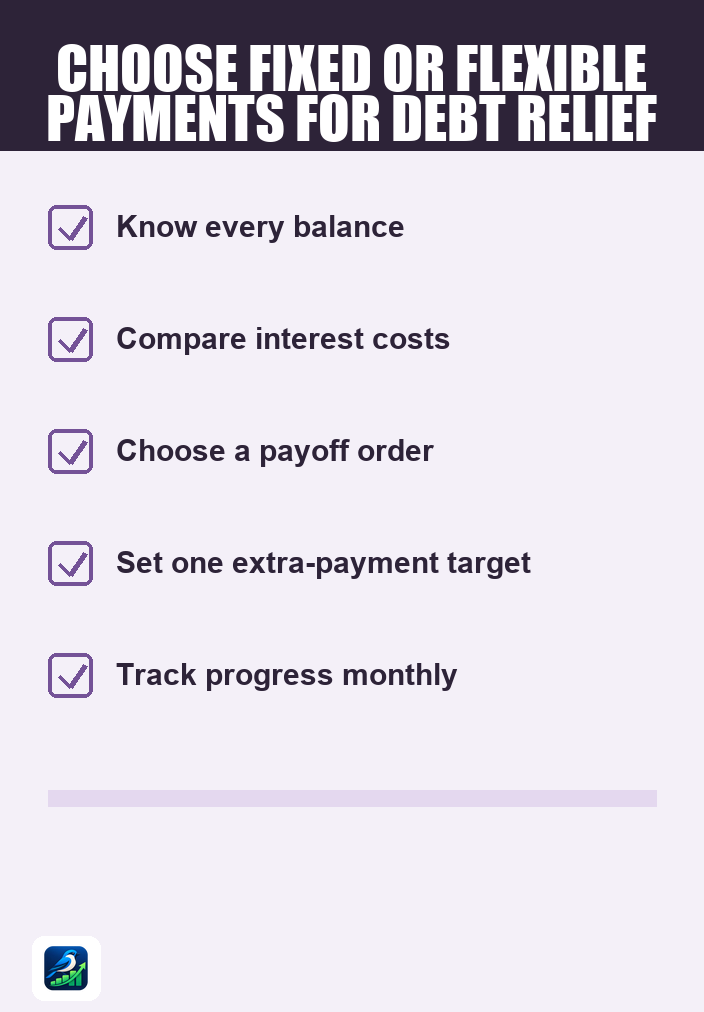
After utilizing a credit card payoff calculator, consider these practical next steps:
- Review your budget to identify areas where you can free up extra cash for payments.
- Explore options for balance transfers or debt consolidation if you are overwhelmed with high-interest credit card debt.
- Consult a financial advisor or credit counselor for personalized guidance tailored to your situation.
- Continue using the calculator periodically to track your progress and adjust your strategy as needed.
By understanding how to effectively use a credit card payoff calculator, you can take control of your debt and make informed decisions that align with your financial goals.