
Understanding the Impact of Collections on Your Credit Report
Collections on your credit report can significantly impact your financial health. Recognizing common mistakes made in addressing these collections can help you navigate your financial landscape more effectively. The first step is understanding what collections are and how they affect your credit report.
A collection account typically arises when you fail to pay a debt for an extended period. The creditor may then hand over the unpaid debt to a collection agency, which will report it to credit bureaus. This negative mark can lower your credit score, making it harder to secure loans or favorable interest rates. Let’s explore the most common mistakes individuals make in managing collections on their credit reports.
Ignoring the Collection Account
One of the most prevalent mistakes is simply ignoring the collection account. Many people assume that if they don’t acknowledge the debt, it will go away. Unfortunately, this is not the case. Ignoring a collection can lead to more significant financial issues down the line, including potential lawsuits or wage garnishments.
Instead of ignoring it, take the time to assess your situation. Reach out to the collection agency to discuss the debt. This can provide clarity on the amount owed and any potential options for repayment or settlement.
Failing to Verify the Debt
Another common error is failing to verify the validity of the debt. Collection agencies are required by law to provide verification if you request it. If you believe the debt may not be yours or the amount is incorrect, it’s essential to ask for documentation.
When contacting the collection agency, request:
- The original creditor’s name and contact information.
- The amount of the debt.
- Proof that the agency has the right to collect the debt.
By verifying the debt, you can avoid paying for something that may not be your responsibility or that may have already been settled.
Not Understanding Your Payment Options
Many individuals underestimate the range of payment options available for dealing with collections. Simply paying the debt in full isn’t always the only solution. Here are some alternatives:
- Payment Plans: Some collection agencies offer payment plans that allow you to pay off the debt in installments. This can make larger debts more manageable.
- Settlements: You may negotiate a settlement for less than the total amount owed. However, be cautious, as settling might still impact your credit score.
- Debt Management Programs: A credit counseling agency can help you create a plan to pay down your debts, including those in collections.
Assuming All Collections Are Equal
Not all collection accounts are created equal. For instance, medical debt collections may be treated differently from credit card debt. Understanding these differences is crucial because some types of debt may have a less severe impact on your credit score or may be eligible for more lenient repayment options.
Before addressing a collection, research how different types of debts are viewed by creditors and credit scoring models. This can help you formulate a more effective strategy for addressing collections on your report.
Neglecting the Impact on Your Credit Score
Many consumers do not realize how collection accounts can affect their credit scores over time. Each collection account can lower your score significantly, depending on your overall credit history. Once a collection account is paid, it may still remain on your report for several years, impacting your ability to obtain credit.
To minimize this impact, consider the following:
- Pay off debts as soon as possible to reduce the risk of further negative marks.
- Request the collection agency to update your credit report to reflect that the debt has been paid.
- Monitor your credit report regularly to ensure all information is accurate and up to date.
Failing to Utilize Credit Reporting Tools
Many consumers overlook the resources available to them for managing collections. Credit reporting tools and services can help you track your credit score and report changes over time. These tools often provide insights into how different actions, such as settling a debt or paying it off, can influence your score.
Consider utilizing these tools to stay informed about your credit status and to better understand how your actions impact your overall financial health.
Rushing to Fix Issues
It’s natural to want to rectify mistakes quickly, but rushing to fix collection issues can lead to further problems. For example, paying off a debt without negotiating first might mean you miss out on a potential settlement. Additionally, hastily making payments may not address the root of your financial difficulties.
Take your time to research and understand your options. Gather information, assess your financial situation, and create a well-thought-out plan before taking action.
Moving Forward: Practical Next Steps
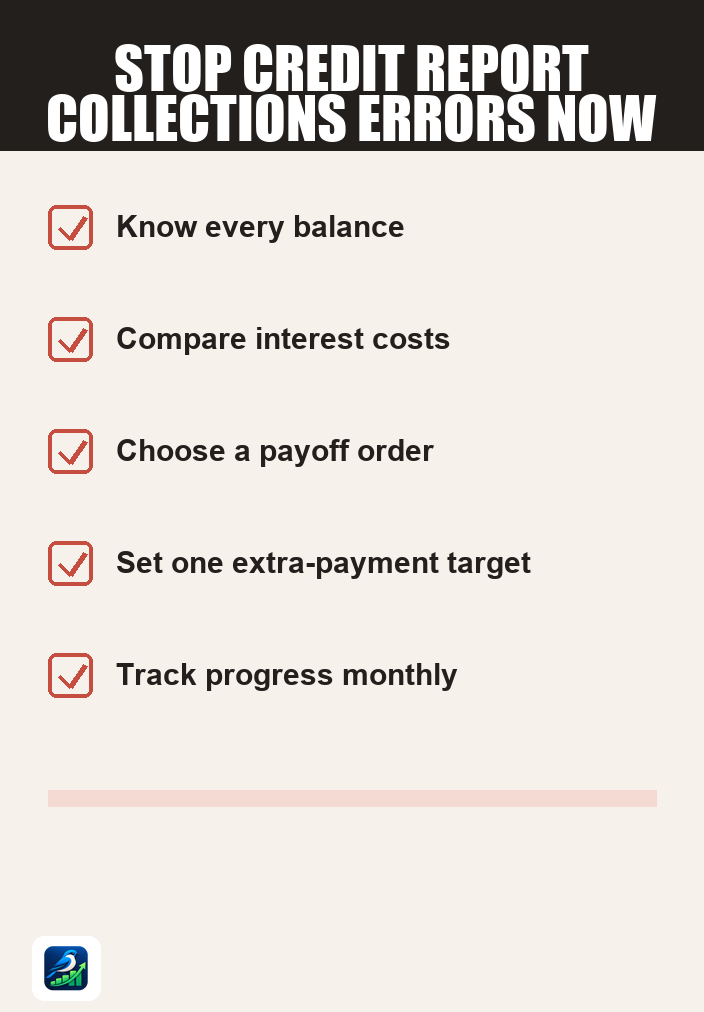
Addressing collections on your credit report can feel overwhelming, but it doesn’t have to be. Here are some actionable steps to take:
- Review your credit report for accuracy and identify any collection accounts.
- Verify the validity of the debts and gather necessary documentation.
- Explore payment options, including payment plans or settlements.
- Consider working with a credit counseling agency if needed.
- Monitor your credit regularly to track your progress and ensure accuracy.
By avoiding these common mistakes and taking a proactive approach, you can better manage collection accounts and work toward a healthier financial future.



















