
Understanding Your Debt Situation
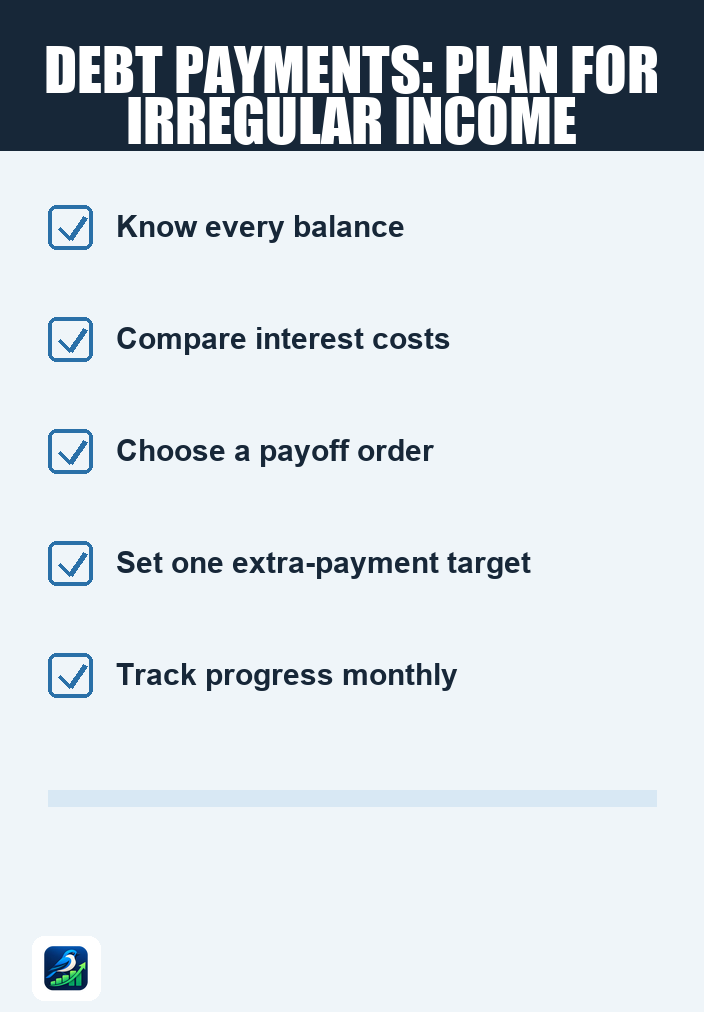
Living on a tight budget while dealing with debt can feel overwhelming. The first step in tackling this challenge is to understand your current debt situation. Gather all your financial statements and make a list of your debts, including amounts owed, interest rates, and minimum monthly payments. This will give you a clear picture of what you’re dealing with and help you prioritize which debts to address first.
Evaluating Your Options for Debt Repayment
Once you have a good grasp of your debts, it’s time to consider your repayment options. Here are several approaches you might think about:
Snowball Method
The snowball method involves paying off your smallest debts first while making minimum payments on larger debts. This approach can be motivating, as you’ll see progress quickly.
- List your debts from smallest to largest.
- Focus any extra funds on the smallest debt until it’s paid off.
- Move to the next smallest debt and repeat.
Debt Avalanche Method
In contrast, the debt avalanche method focuses on paying off debts with the highest interest rates first. This can save you money in the long run, but it may take longer to see debts eliminated.
- List your debts from highest to lowest interest rate.
- Put any extra funds toward the debt with the highest interest.
- Once that’s paid off, move to the next highest interest debt.
Debt Consolidation
Debt consolidation combines multiple debts into a single loan, typically with a lower interest rate. This can simplify payments, but it may not always be the best option.
- Consider a personal loan or balance transfer credit card.
- Research terms and fees carefully.
- Make sure you’re not extending the repayment period too long.
Debt Management Plans
A debt management plan (DMP) is a structured repayment plan set up through credit counseling. You’ll make a single monthly payment to the counseling agency, which will distribute the funds to your creditors. While this can provide relief, it also requires discipline and commitment.
- Contact a nonprofit credit counseling agency for assistance.
- Review your budget and spending habits together.
- Consider that DMPs can affect your credit score.
Debt Settlement
Debt settlement involves negotiating with creditors to reduce the total amount owed. However, this approach can have significant drawbacks and should be approached cautiously.
- Understand that creditors may not agree to settle.
- Be prepared for potential negative impacts on your credit.
- Consider consulting a professional for guidance.
Bankruptcy
As a last resort, bankruptcy may be an option. This legal process can relieve you from certain debts but can have long-lasting effects on your credit. It’s essential to understand the implications before proceeding.
- Consult with a bankruptcy attorney to understand the process.
- Learn about the different types of bankruptcy (Chapter 7 vs. Chapter 13).
- Consider all other options before making this choice.
Creating a Budget for Debt Repayment
Regardless of which debt repayment strategy you choose, a well-structured budget is essential. Here’s how to create one that supports your debt repayment goals:
- Track your income and expenses for at least a month.
- Identify areas where you can cut back, such as dining out or entertainment.
- Allocate a specific amount each month toward debt repayment.
Prioritizing Expenses
Make sure your budget reflects your priorities. Essential expenses should come first, followed by debt payments, and then discretionary spending. This may require some sacrifices, but it’s crucial for achieving financial stability.
Staying Motivated and Accountable
Staying committed to your debt repayment plan can be challenging, especially when living on a tight budget. Here are some tips to keep you motivated:
- Set specific, achievable milestones to celebrate along the way.
- Consider joining support groups or forums for accountability.
- Regularly review your progress and adjust your budget as necessary.
Next Steps for Managing Your Debt
Deciding on the best approach to pay off debt while living on a tight budget can be complex, but taking the time to evaluate your options is crucial. Start by understanding your debt situation, choosing a repayment method that aligns with your financial goals, and creating a budget that supports your efforts. Remember that persistence is key, and staying focused on your goals will help you navigate this challenging time.