
Understanding Debt Consolidation: A Key to Saving Money
Debt consolidation is a financial strategy that allows individuals to merge multiple debts into a single payment. This process can potentially lower monthly payments, reduce interest rates, and simplify finances. However, understanding the intricacies of debt consolidation is crucial to ensure it works to your advantage.
What is Debt Consolidation?
Debt consolidation involves taking out a new loan to pay off various existing debts, such as credit cards, medical bills, or personal loans. The goal is to streamline payments and potentially access lower interest rates. However, it’s essential to differentiate debt consolidation from other debt relief strategies.
Debt Consolidation vs. Debt Management vs. Debt Settlement
- Debt Consolidation: Combines multiple debts into one loan to simplify payments.
- Debt Management: Involves working with a credit counseling agency to create a structured repayment plan without taking out a new loan.
- Debt Settlement: Negotiates with creditors to reduce the amount owed, typically resulting in a lump-sum payment that is less than the total debt.
- Bankruptcy: A legal process that can eliminate or restructure debts but has significant long-term consequences on credit and finances.
How Debt Consolidation Works
The process of debt consolidation typically involves several steps:
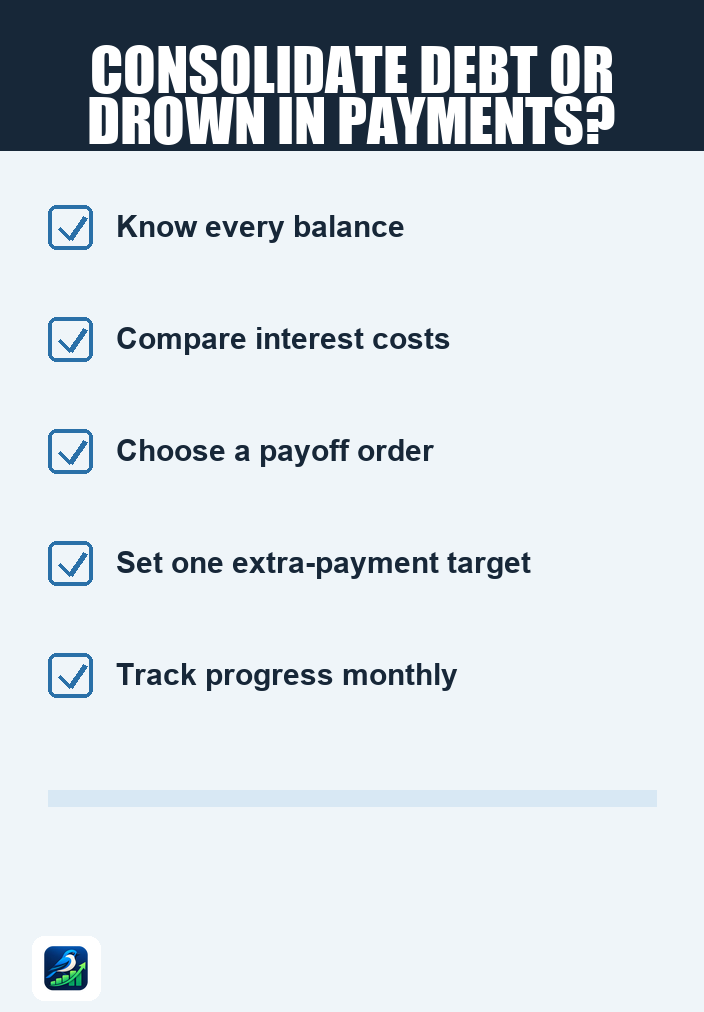
- Assess Your Debt: Gather all your financial statements and list out your debts, including balances, interest rates, and monthly payments.
- Explore Consolidation Options: Research various consolidation options, including personal loans, home equity loans, or balance transfer credit cards.
- Apply for a Loan: Once you choose an option, apply for the loan. Lenders will review your credit score, income, and financial history.
- Pay Off Existing Debts: Use the funds from the new loan to pay off your existing debts entirely.
- Focus on Repayment: Start making regular payments on the new consolidated loan, ideally at a lower interest rate.
Benefits of Debt Consolidation
Understanding the advantages of debt consolidation can help you determine if it’s the right option for your financial situation.
- Simplified Payments: Managing one monthly payment is often easier than juggling multiple due dates and amounts.
- Lower Interest Rates: If you qualify for a lower interest rate, it can save you money over time.
- Improved Credit Score (Potentially): Consolidating debts may improve your credit utilization ratio if you manage payments responsibly.
- Fixed Payment Structure: Many consolidation loans have fixed monthly payments, making budgeting easier.
Potential Drawbacks to Consider
While debt consolidation can offer benefits, it’s not a one-size-fits-all solution. Here are some drawbacks to keep in mind:
- Fees and Costs: Some consolidation loans may have origination fees, application fees, or closing costs that can offset potential savings.
- Risk of Accumulating More Debt: If you don’t change your spending habits, you may find yourself accumulating new debt while still paying off the consolidated loan.
- Credit Score Impact: Applying for new credit can temporarily lower your credit score, and late payments on the new loan can also negatively affect it.
- Collateral Risks: If you use a secured loan (like a home equity loan), you risk losing your property if you fail to make payments.
Steps to Prepare for Debt Consolidation
Before proceeding with debt consolidation, consider the following steps to maximize its effectiveness:
- Evaluate Your Financial Situation: Take a close look at your income, expenses, and overall financial health.
- Research Lenders: Look for reputable lenders that offer favorable terms and conditions.
- Check Your Credit Report: Review your credit report for inaccuracies and ensure you understand your credit standing.
- Consult a Financial Professional: For tailored advice, consider speaking with a financial advisor or credit counselor who can guide you through the process.
Alternatives to Debt Consolidation
Debt consolidation is just one option for managing debt. Here are some alternatives to consider:
- Debt Management Plans: Work with a credit counseling agency to develop a plan to pay off your debts without consolidating.
- Debt Settlement: Negotiate with creditors to settle debts for less than what you owe.
- Budgeting and Financial Planning: Create a strict budget that prioritizes debt repayment and reduces unnecessary spending.
- Bankruptcy: Consider this option only if your debt is overwhelming and other options are not feasible.
Practical Next Steps
Understanding the debt consolidation process can indeed save you money, but it requires careful consideration and planning. If you believe consolidation is right for you, start by evaluating your debts and exploring your options. Always be cautious of how you approach your debt and consider seeking professional advice to ensure you make informed decisions.
Take control of your financial future today and make informed choices that will help you manage your debt more effectively.



















