Understanding the Basics of Extra Payments on Debt
When managing debt, one of the most effective strategies is making extra payments. But how do you evaluate the impact of these extra payments on your overall debt payoff strategy? The answer lies in understanding your debts, interest rates, and the various strategies available for repayment. Extra payments can significantly change the trajectory of your debt repayment, but it’s essential to analyze how they fit into your overall financial picture.
Evaluating Your Current Debt Situation
Before you start making extra payments, it’s crucial to have a clear understanding of your current debt situation. Here are some steps to evaluate:
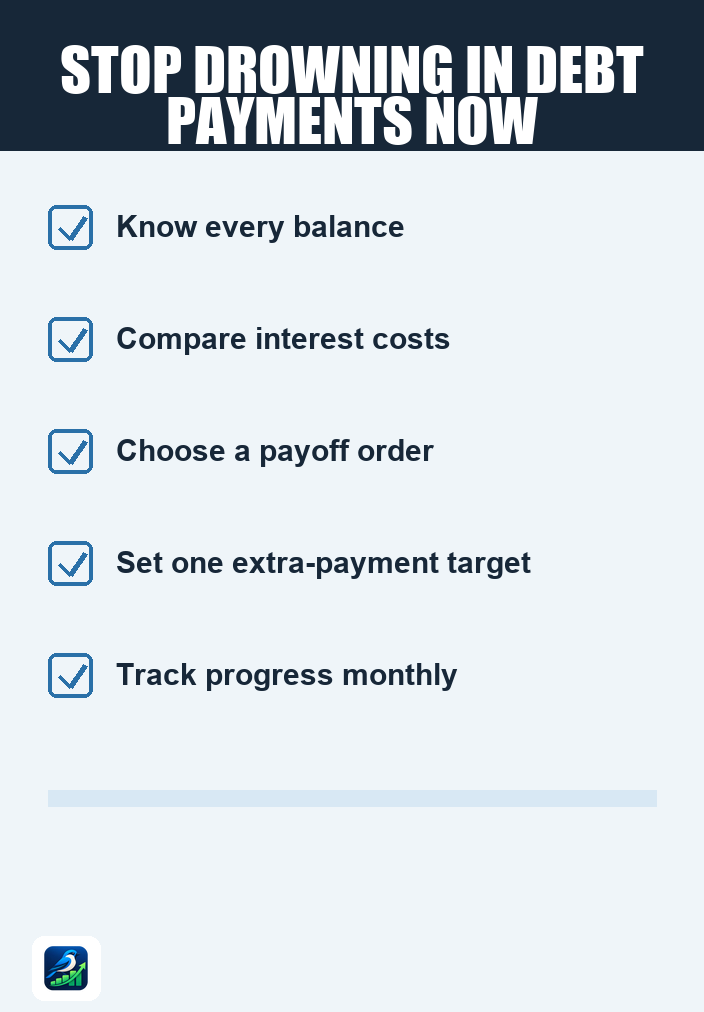
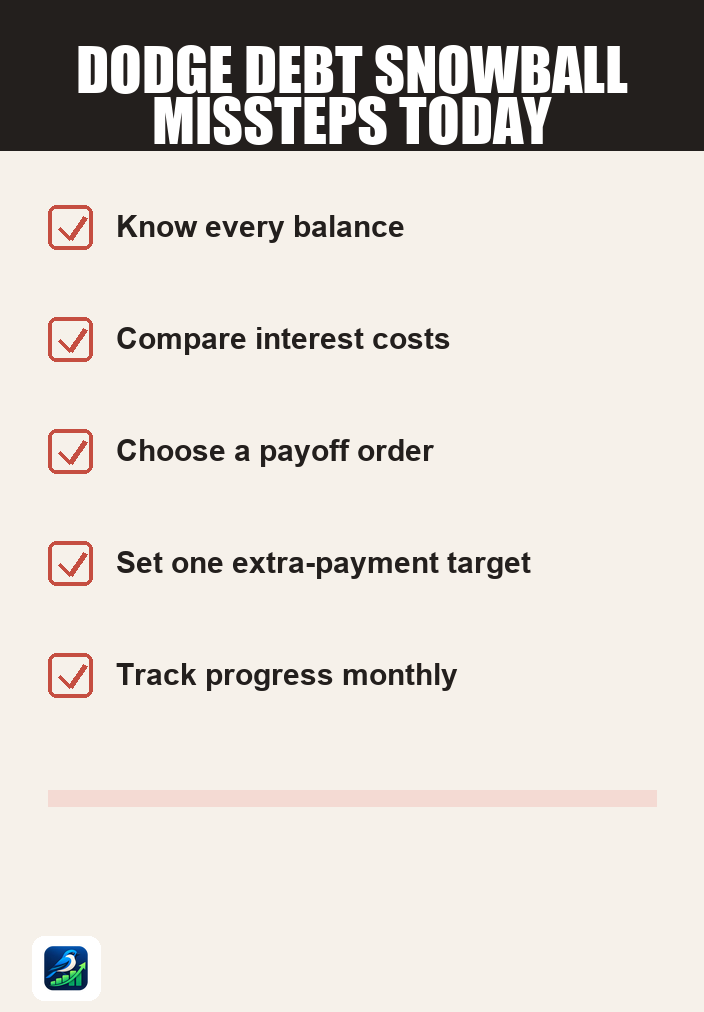
- List Your Debts: Write down each debt, including the balance, interest rate, and minimum monthly payment.
- Calculate Your Total Debt: Add up all your debts to see the total amount owed.
- Identify High-Interest Debts: Focus on debts with the highest interest rates as they cost you the most over time.
- Review Your Budget: Determine how much extra money you can allocate toward debt payments each month without compromising your essential expenses.
Understanding the Impact of Extra Payments
Extra payments can have a profound effect on your debt payoff timeline and total interest paid. Here’s how to assess that impact:
1. Calculate Interest Savings
When you make extra payments, you reduce the principal balance of your debt, which can lead to significant interest savings. To calculate:
- Use an Amortization Calculator: Input your loan details and see how extra payments affect the interest and total payoff time.
- Compare Scenarios: Look at the difference between making only minimum payments versus including extra payments.
2. Choose Your Payment Strategy
There are several strategies to consider when making extra payments:
- The Avalanche Method: Focus extra payments on the debt with the highest interest rate first. This method saves the most money over time.
- The Snowball Method: Pay off the smallest debt first. This can provide psychological benefits by giving you quick wins.
- Split Payments: If you have multiple debts, you can split your extra payments among them to reduce balances more evenly.
Choose the method that aligns with your financial situation and psychological comfort level.
Assessing Your Financial Flexibility
Before committing to extra payments, consider your overall financial flexibility. Here are key factors to evaluate:
- Emergency Savings: Ensure you have a safety net in place. It’s generally advisable to have at least three to six months’ worth of expenses saved.
- Other Financial Goals: Consider whether you are prioritizing other financial goals, such as saving for retirement or a home purchase.
- Income Stability: Assess your job security and income stability. If your income is uncertain, it might be wise to hold off on extra payments.
Understanding Trade-Offs of Extra Payments
While making extra payments can be beneficial, there are trade-offs to consider:
- Opportunity Cost: The money used for extra payments could be invested elsewhere. Evaluate whether the returns on investments may outweigh interest savings.
- Potential Fees: Some loans may have prepayment penalties or fees for paying off debts early. Always check the terms of your loans.
- Impact on Credit: Reducing your credit utilization ratio by paying down debts can have a positive impact on your credit score, but ensure you’re not sacrificing other financial goals.
Calculating Your Extra Payment Impact
Once you’ve chosen a strategy and assessed your financial situation, you can calculate the impact of your extra payments:
- Determine the Extra Payment Amount: Decide how much extra you can afford to pay each month.
- Calculate New Payoff Time: Use your amortization schedule or an online calculator to determine how much faster you can pay off your debt.
- Estimate Total Interest Savings: Review the interest you will save by making these extra payments.
By calculating these figures, you will gain a clearer picture of the benefits of your extra payments.
Next Steps for Your Debt Payoff Strategy
Evaluating the impact of extra payments on your debt payoff strategy is a crucial step toward financial freedom. Here’s what you can do next:
- Finalize Your Budget: Create a budget that allows for extra payments without compromising your financial stability.
- Track Your Progress: Regularly review your debts and track your progress toward your goals.
- Stay Informed: Keep educating yourself on financial management strategies. Knowledge is power when it comes to making informed decisions.
By staying organized and evaluating the impact of extra payments, you can take significant steps toward reducing your debt and reclaiming your financial freedom.