
Understanding Credit Card Interest Charges
When it comes to managing credit card debt, interest charges can feel like a burden that never seems to lift. Many individuals focus on paying less interest, thinking that lower rates will ease their financial strain. However, this perspective can sometimes lead to decisions that may not be in your best interest. In this article, we’ll explore why paying less isn’t always the best option and how you can better manage your credit card debt.
The Basics of Credit Card Interest
Credit card interest is calculated as a percentage of your outstanding balance, typically expressed as an Annual Percentage Rate (APR). This means that if you carry a balance from month to month, you’ll incur interest charges based on that balance. Understanding how these charges work is crucial to making informed decisions about your debt.
How Interest Is Calculated
Most credit cards use a daily periodic rate to calculate interest. This rate is found by dividing the APR by 365 days. For instance, if your APR is 18%, your daily periodic rate would be approximately 0.0493%. If you have a balance of $1,000, you would incur about $0.49 in interest charges each day.
Why Paying Less Interest Isn’t Always Best
While it might seem logical to seek out the lowest interest rate possible, focusing solely on this aspect can lead to overlooking other important factors. Here are some scenarios where paying less interest might not be the ideal choice:
Short-Term vs. Long-Term Costs
When considering a credit card with a lower interest rate, it’s important to look at the overall costs, including annual fees or other charges. A card with a low APR may have high fees that could negate the benefits of the lower interest.
- Example: Card A has a 15% APR but charges a $100 annual fee. Card B has a 20% APR with no annual fee. If you carry a $1,000 balance, Card A will cost you $150 in the first year, while Card B will cost you $200.
Promotional Rates and Their Pitfalls
Some credit cards offer introductory rates that are significantly lower for a limited time. While this can provide temporary relief, it’s crucial to understand what happens when the promotional period ends. Often, the rate jumps to a much higher APR, leading to larger interest charges.
- Example: You might see a card offering 0% interest for the first 12 months. After that, it could revert to 25%. If you still have a balance at that time, you’ll be facing a steep increase in your interest charges.
Minimum Payments and Interest Accumulation
Paying just the minimum amount due on your credit card can keep you in a cycle of debt for years, even if the interest rate is low. Minimum payments often cover only the interest and a small portion of the principal, leading to prolonged debt.
- Tip: Aim to pay more than the minimum whenever possible. This can significantly reduce the overall interest you pay and help you pay off your debt faster.
Alternative Approaches to Managing Debt
If you’re feeling overwhelmed by credit card interest charges, consider these alternative strategies that may be more beneficial than simply seeking lower rates:
Debt Consolidation
Debt consolidation involves combining multiple debts into a single loan, often with a lower interest rate. However, it’s important to be cautious with this approach. While it might simplify your payments, the new loan could have different terms or fees that impact your overall financial situation.
- Considerations: Make sure to understand the total cost of consolidation, including any fees, and ensure that it genuinely offers a lower interest rate.
Debt Management Plans
Working with a credit counseling agency can help you establish a debt management plan (DMP). This typically involves negotiating with creditors to lower interest rates or waive fees. While this can provide relief, be aware that it might also impact your credit score.
- Important: DMPs require commitment and discipline. Ensure that you fully understand the terms before enrolling.
Exploring Debt Settlement
Debt settlement is another option where you negotiate with creditors to reduce the total amount owed. While this can lead to lower payments, it’s not suitable for everyone and may have significant consequences for your credit score.
Understanding Bankruptcy as a Last Resort
If your debt situation becomes unmanageable, bankruptcy may be an option to consider. This process can eliminate many debts but comes with long-term implications for your credit. It’s essential to seek legal and financial advice before pursuing this route.
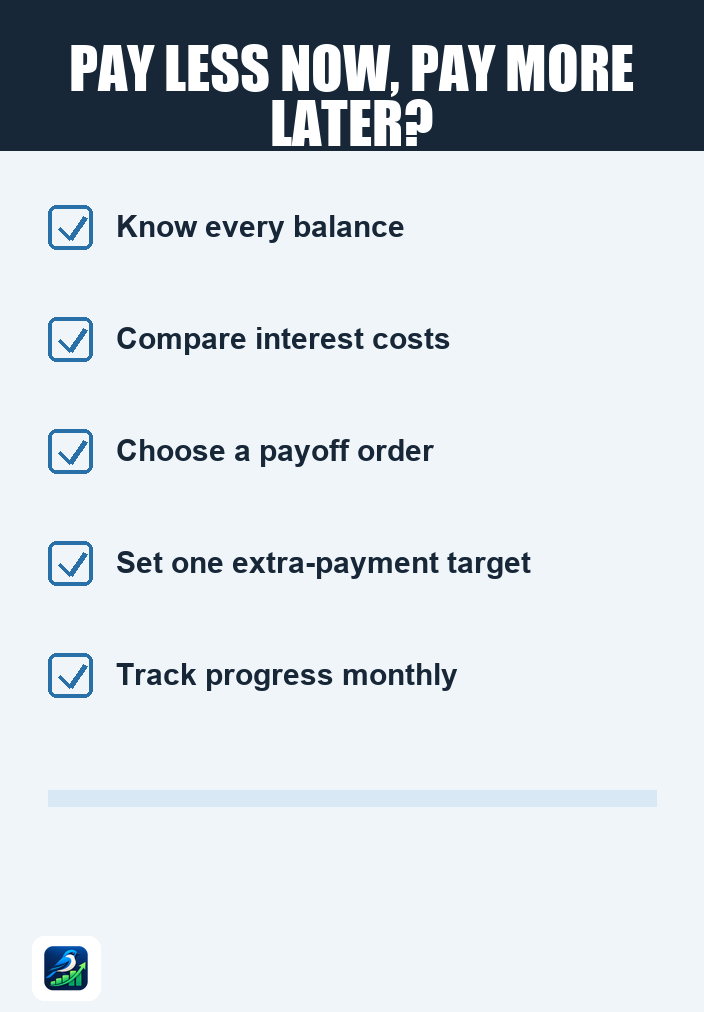
Next Steps: Creating a Plan
Understanding credit card interest charges is the first step in managing your debt effectively. Here are some practical next steps:
- Assess Your Situation: Take a close look at your current debts, interest rates, and monthly payments.
- Explore Options: Research different strategies, such as consolidation or management plans, to see what fits your situation best.
- Set a Budget: Create a realistic budget that allows you to allocate extra funds toward debt repayment.
- Seek Professional Help: If you’re feeling overwhelmed, consider reaching out to a financial advisor or credit counselor for guidance.
Remember, managing credit card debt is not just about paying less interest; it’s about creating a sustainable plan that works for your unique financial situation.



















