
Understanding the True Cost of Managing Multiple Credit Card Balances
Managing multiple credit card balances can feel overwhelming, and it often comes with a hidden cost that many people don’t fully recognize. While credit cards offer convenience and flexibility, they can also lead to financial strain if not managed properly. This article breaks down the true costs associated with juggling several credit card balances and offers practical advice for navigating this complex situation.
The Financial Burden of Multiple Balances
When you carry balances on multiple credit cards, the financial implications can add up quickly. Here are some key factors to consider:
- Interest Rates: Each credit card may have a different interest rate, and if you’re only making minimum payments, the interest can compound rapidly, making it difficult to pay down the principal.
- Fees: Late payments can result in late fees, and exceeding your credit limit can also incur additional charges. These fees can add significant costs to your overall debt.
- Credit Utilization: Carrying high balances can negatively impact your credit score, which can lead to higher interest rates on future loans.
Calculating the True Cost
To get a clearer picture of the costs associated with managing multiple credit card balances, consider the following steps:
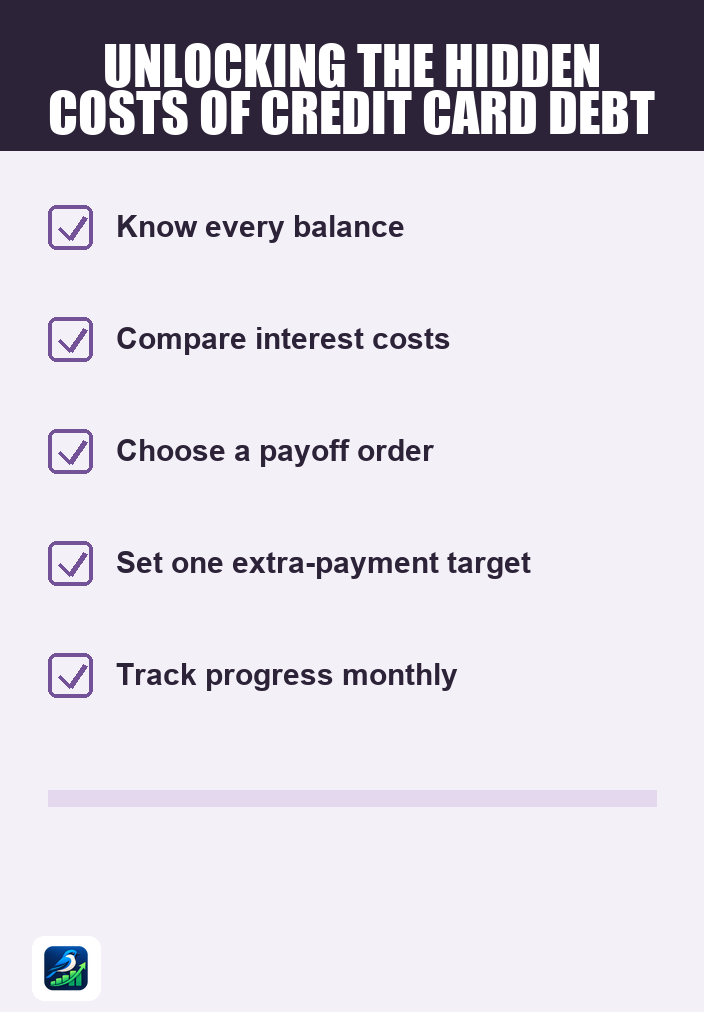
- List Your Balances: Write down each credit card, its balance, and the interest rate associated with it.
- Determine Monthly Payments: Calculate the minimum payment for each card. This will show you the least amount you can pay without incurring late fees.
- Calculate Interest Costs: For each card, estimate how much interest you will pay if you only make minimum payments. This can be done by multiplying the balance by the monthly interest rate.
For example, if you have a balance of $1,000 at an APR of 18%, your monthly interest would be approximately $15. This adds to your total debt without making a dent in the principal.
Exploring Your Options
There are several strategies to manage credit card debt effectively. Each comes with its own set of advantages and disadvantages:
1. Debt Consolidation
This option involves combining multiple debts into a single loan, often with a lower interest rate. While this can simplify payments, it may also extend the repayment period, which could result in paying more interest over time.
2. Debt Management Plans
Working with a credit counseling agency can help create a structured repayment plan. While this can lead to lower monthly payments, it often requires you to close your credit accounts, which can impact your credit score.
3. Debt Settlement
This involves negotiating with creditors to settle for less than the full amount owed. While it can provide immediate relief, it may lead to tax implications and can significantly damage your credit score.
4. Bankruptcy
As a last resort, filing for bankruptcy can eliminate many types of debt. However, it has long-term consequences on your credit history and should be considered only after exploring other options.
Understanding the Trade-offs
It’s crucial to understand the trade-offs involved with each of these options:
- Debt Consolidation: Simplifies payments but may lead to longer repayment terms and higher total interest.
- Debt Management Plans: Provides a structured approach but may limit credit access.
- Debt Settlement: Offers potential savings but negatively impacts credit scores and may have tax consequences.
- Bankruptcy: Offers a fresh start but comes with significant long-term credit implications.
Practical Steps to Take
To effectively manage multiple credit card balances, consider these actionable steps:
- Create a Budget: Track your income and expenses to identify areas where you can cut back and allocate more funds toward debt reduction.
- Prioritize Payments: Focus on paying off cards with the highest interest rates first while making minimum payments on others. This strategy is known as the avalanche method.
- Automate Payments: Set up automatic payments to ensure you never miss a due date, reducing late fees and interest costs.
- Consider Professional Help: If your debt feels unmanageable, seeking advice from a financial professional or credit counselor can provide valuable guidance.
Next Steps
Managing multiple credit card balances is a challenge that requires careful consideration and strategic planning. Start by assessing your current situation and exploring the options available to you. By weighing the costs and benefits of each approach, you can make informed decisions that align with your financial goals. Remember, taking action today can lead to a more secure financial future.



















