
Understanding the Avalanche and Snowball Methods
When you find yourself with multiple debts, choosing a strategy to pay them off can feel overwhelming, especially on a tight budget. Two popular methods are the Avalanche and Snowball approaches. Both have their merits, and the right choice for you depends on your financial situation and personal preferences.
What is the Avalanche Method?
The Avalanche Method focuses on paying off debts with the highest interest rates first. This approach minimizes the total interest paid over time, which can save money in the long run. Here’s how it works:
- List all your debts from highest to lowest interest rate.
- Make minimum payments on all debts except the one with the highest interest rate.
- Put any extra money toward the debt with the highest interest.
- Once that debt is paid off, move to the next highest interest rate debt and repeat the process.
Pros of the Avalanche Method
- Cost-effective: You pay less in interest overall, which can expedite your debt-free journey.
- Faster payoff: By targeting high-interest debts, you may eliminate your debts quicker.
Cons of the Avalanche Method
- Requires discipline: It might take longer to see progress since you’re focusing on the highest interest debt first, which can be discouraging.
- Complexity: Keeping track of multiple debts and interest rates can be cumbersome.
What is the Snowball Method?
The Snowball Method, on the other hand, emphasizes paying off the smallest debts first regardless of their interest rates. This method is designed to build momentum and motivation as you eliminate debts quickly. Here’s how it works:
- List all your debts from smallest to largest balance.
- Make minimum payments on all debts except the smallest one.
- Put any extra money toward the smallest debt until it’s paid off.
- Once that debt is eliminated, move to the next smallest debt and repeat.
Pros of the Snowball Method
- Quick wins: Paying off smaller debts quickly can boost your motivation and confidence.
- Simplicity: The approach is straightforward and easy to manage, making it less overwhelming.
Cons of the Snowball Method
- Higher overall cost: You may end up paying more in interest over time compared to the Avalanche Method.
- Delayed payoff for larger debts: Focusing on smaller debts can prolong the time it takes to pay off larger debts with higher interest rates.
Which Method is Right for You?
Deciding between the Avalanche and Snowball methods largely depends on your financial habits and psychological preferences. Here are some criteria to consider:
- Motivation: If you need quick wins to stay motivated, the Snowball Method might be a better fit.
- Interest costs: If saving on interest is your priority, the Avalanche Method may be more suitable.
- Budget management: Consider which method will be easier for you to manage based on your current budget and financial situation.
Practical Steps for Implementing Your Chosen Method
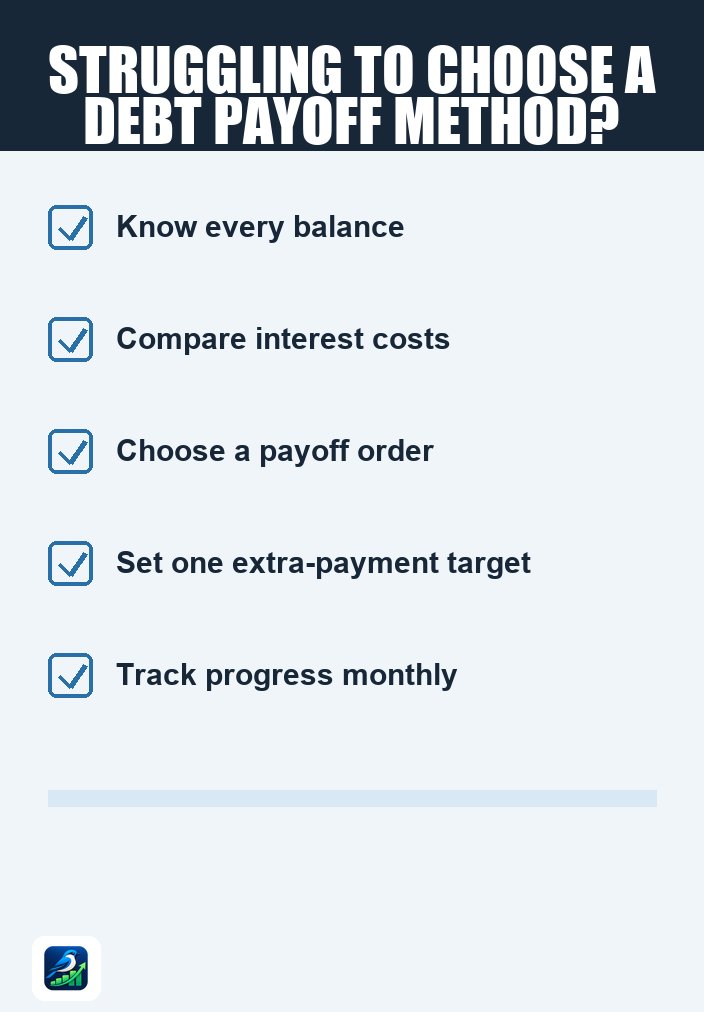
Once you’ve decided on a method, it’s time to put it into action. Here are practical steps to help you get started:
- Gather your financial information: List all your debts, including balances, interest rates, and minimum payments.
- Create a budget: Determine how much extra money you can allocate toward debt payments each month.
- Choose your method: Select either the Avalanche or Snowball Method based on your preferences.
- Track your progress: Keep a record of your payments and celebrate small victories along the way.
- Adjust as necessary: If your financial situation changes, don’t hesitate to reassess your strategy.
Alternatives to Consider
While the Avalanche and Snowball methods are effective strategies, they aren’t the only options. Here are some alternatives to consider:
- Debt consolidation: This involves combining multiple debts into a single loan, typically with a lower interest rate, which can simplify payments.
- Debt management plans: Working with a credit counseling service can help you create a structured plan to pay off your debts.
- Debt settlement: Negotiating with creditors to pay a lump sum that is less than the total owed. This can impact your credit score and isn’t suitable for everyone.
- Bankruptcy: A last resort for those overwhelmed by debt, bankruptcy can provide relief but has long-term financial implications.
Each of these alternatives comes with its own set of pros and cons, so it’s important to weigh them carefully and consider seeking professional guidance if necessary.
Next Steps
Choosing between the Avalanche and Snowball methods is a personal decision that should reflect your financial situation and psychological comfort. Take the time to analyze your debts, consider your motivations, and select a method that feels right for you. Remember, the ultimate goal is to become debt-free, and finding a strategy that you can stick to is key. Start today, and take control of your financial future!



















