
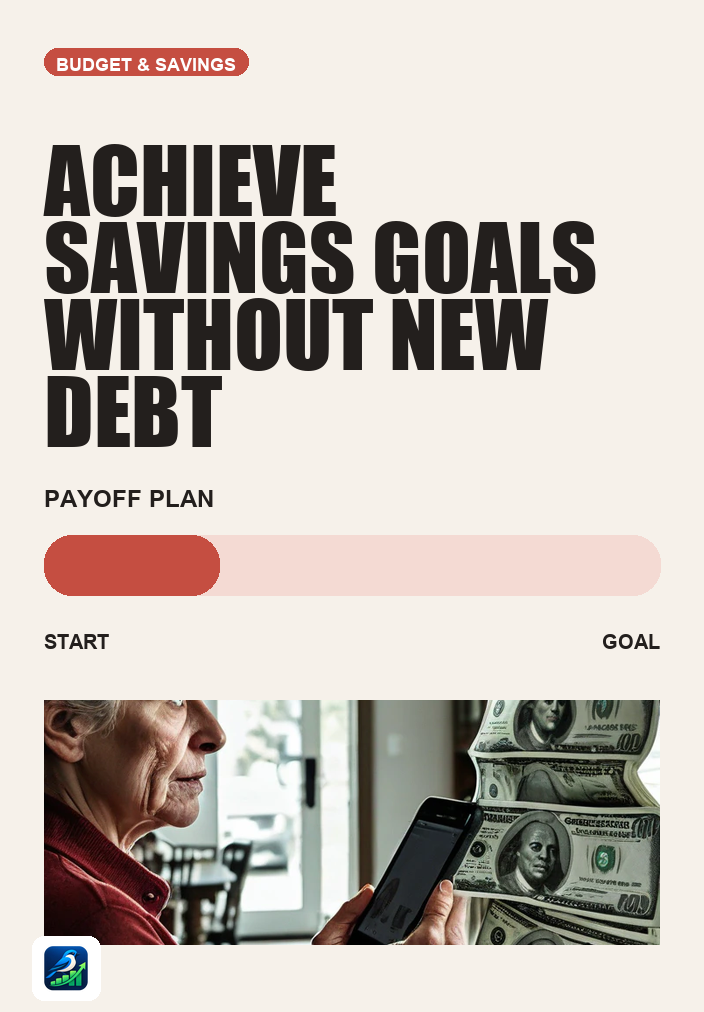
Understanding the Challenge: Saving While Managing Debt
Many adults find themselves in the precarious position of trying to save for future goals while grappling with existing consumer debt. This balancing act can be overwhelming, but with a practical approach, it is possible to navigate savings goals without accumulating new debt. Understanding your current financial situation, setting realistic goals, and implementing effective strategies are crucial steps in this process.
Step 1: Assess Your Current Financial Situation
Before setting any savings goals, it’s essential to have a clear picture of your current financial landscape. Here’s how to do it:
- List Your Income: Document all sources of income, including your salary, side jobs, and any passive income.
- Track Your Expenses: For at least a month, track all your spending to understand where your money goes. Categorize it into fixed (rent, utilities) and variable (food, entertainment) expenses.
- Review Your Debt: Make a list of all your debts, including the total amount owed, monthly payments, interest rates, and due dates. This will help you prioritize which debts to tackle first.
Once you have this information, calculate your net income by subtracting your total expenses from your total income. This will give you a clearer understanding of how much you can allocate toward savings or debt repayment.
Step 2: Set Clear Savings Goals
With a solid understanding of your finances, you can set specific, measurable, achievable, relevant, and time-bound (SMART) savings goals. Here are some examples:
- Emergency Fund: Aim to save at least three to six months’ worth of living expenses for unexpected situations.
- Debt Repayment Fund: Set aside funds specifically for making extra payments on high-interest debt.
- Short-term Goals: Consider goals like saving for a vacation or a new appliance.
- Long-term Goals: Think about retirement savings or a down payment on a home.
Once your goals are established, prioritize them based on urgency and importance. This will help you focus your efforts effectively.
Step 3: Create a Budget That Works for You
A budget is a powerful tool that can help you manage your finances more effectively. Here’s how to create a practical budget:
- Choose a Budgeting Method: Consider methods like the 50/30/20 rule, where 50% of your income goes to needs, 30% to wants, and 20% to savings and debt repayment.
- Allocate Savings: Determine how much you can realistically save each month based on your net income and expenses. Even small amounts can add up.
- Adjust Your Spending: Identify areas where you can cut back on expenses. This could include dining out less, canceling unused subscriptions, or finding cheaper alternatives for necessities.
Regularly review and adjust your budget as needed. Life changes, and your budget should reflect your current situation.
Step 4: Implement a Savings Strategy
To achieve your savings goals, consider these strategies:
- Automate Savings: Set up automatic transfers to your savings account right after you receive your paycheck. This makes saving easier and less tempting to skip.
- Use High-Interest Savings Accounts: Look for accounts that offer better interest rates than traditional savings accounts to maximize your savings potential.
- Take Advantage of Windfalls: Whenever you receive unexpected income—such as a tax refund, bonus, or gift—consider putting a portion directly into savings.
By being proactive about saving, you can steadily work towards your goals without needing to rely on credit or loans.
Step 5: Manage Debt Wisely
While saving is essential, managing debt is equally important. Here are some strategies:
- Focus on High-Interest Debt: If you have multiple debts, prioritize paying off those with the highest interest rates first. This will save you money in the long run.
- Consider Debt Consolidation: This can simplify your payments and potentially lower your interest rate, but be aware of the fees and terms associated with it.
- Explore Debt Management Plans: These can help you negotiate better terms with creditors, but ensure you understand any fees involved.
- Avoid New Debt: As you focus on saving, be mindful not to accumulate new debt. Avoid unnecessary purchases and consider waiting before taking on new loans.
Understanding the differences between debt consolidation, management, and settlement is crucial. Each option has its pros and cons, and it’s essential to choose what aligns best with your financial situation.
Step 6: Regularly Review Your Progress
Take the time to review your progress towards your savings goals and debt repayment regularly. This can be monthly or quarterly. During these reviews, ask yourself:
- Am I on track with my savings goals?
- Are my debt levels decreasing?
- Do I need to adjust my budget or savings strategy?
Adjust your strategies as necessary based on your progress and any changes in your financial situation.
Next Steps
Saving while managing debt is undoubtedly challenging, but it’s possible with careful planning and commitment. Start by assessing your financial situation and setting clear savings goals. Create a budget that aligns with these goals, implement effective savings strategies, manage your debt wisely, and regularly review your progress. Remember, small, consistent actions can lead to significant results over time. Stay focused, and don’t hesitate to seek professional guidance for complex financial issues.



















