
Understanding Minimum Payments and Their Pitfalls
Credit cards can offer convenience and rewards, but they also come with the risk of debt if not managed properly. One of the most common traps consumers fall into is the minimum payment trap. This occurs when you only pay the minimum amount due each month, which can lead to prolonged debt and increased interest costs.
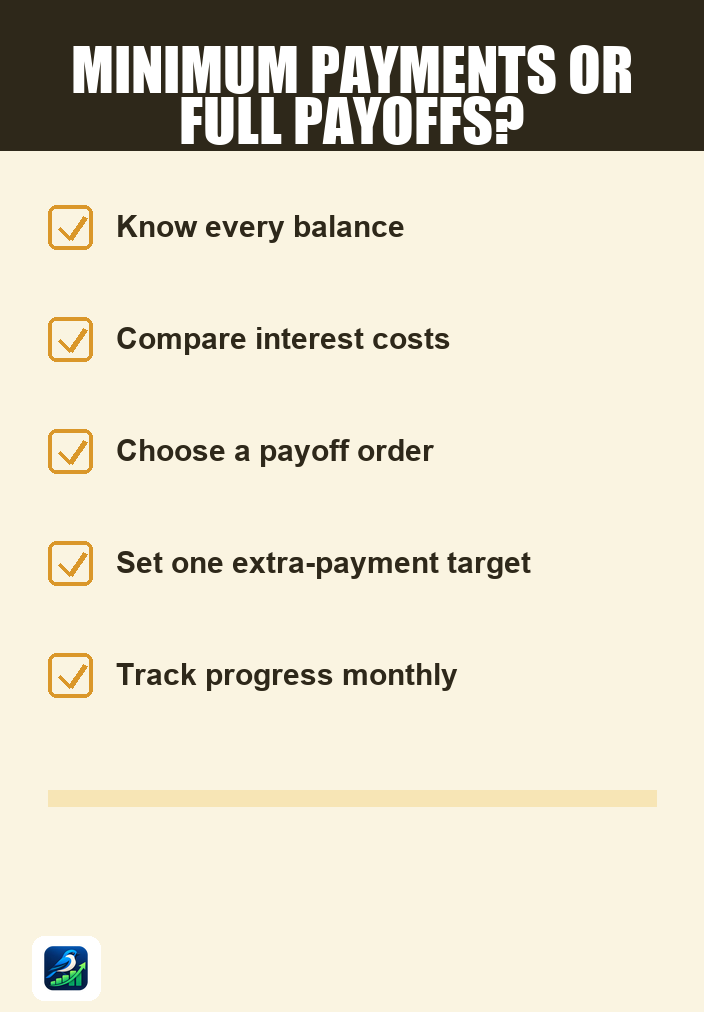
To avoid falling into this trap, it’s important to understand how minimum payments work and how they can impact your financial health. Below is a checklist to help you stay on track while paying off your credit card debt.
1. Know Your Minimum Payment
Before you can avoid the minimum payment trap, you need to understand what it is. The minimum payment is typically a small percentage of your total balance, often around 1% to 3%, plus interest charges. This amount can vary based on your credit card issuer’s policies.
- Check your credit card statement to find your minimum payment amount.
- Understand how the minimum payment is calculated. This usually includes a percentage of your balance plus any fees or interest charges.
2. Understand the Costs of Making Minimum Payments
Paying only the minimum can lead to significant long-term costs. Here’s why:
- High Interest Accumulation: When you only pay the minimum, most of your payment goes towards interest rather than reducing the principal balance.
- Extended Repayment Period: It can take years, or even decades, to pay off your balance if you continue making minimum payments.
- Potential for Increased Debt: If you continue to use your credit card while only paying the minimum, your debt can grow even larger.
3. Create a Budget That Prioritizes Debt Repayment
A budget can help you allocate extra funds towards your credit card debt. Here’s how to create an effective budget:
- List Your Income: Include all sources of income, such as salary, side gigs, or other revenue streams.
- Track Your Expenses: Write down your monthly expenses, including necessities like rent, utilities, groceries, and discretionary spending.
- Identify Areas to Cut Back: Look for non-essential expenses you can reduce or eliminate, such as dining out, subscriptions, or entertainment.
- Allocate Extra Funds to Debt: Use the money saved from cutting expenses to make larger payments on your credit card debt.
4. Explore Payment Strategies
Once you have a budget set up, consider employing one or more of the following strategies to pay off your credit card debt more effectively:
Snowball Method
This method involves paying off your smallest debt first, while making minimum payments on larger debts. Once the smallest debt is cleared, you move to the next smallest, and so on. This can provide psychological motivation as you see debts disappearing.
avalanche Method
In contrast, the avalanche method focuses on paying off the debt with the highest interest rate first. This can save you more money in interest over time but may take longer to see results.
5. Consider Debt Consolidation Options
If your credit card debt is overwhelming, debt consolidation might be a viable option. Here are a few methods:
- Personal Loans: You can take out a personal loan with a lower interest rate to pay off your credit cards.
- Balance Transfers: Some credit cards offer promotional rates for balance transfers, allowing you to move debt from a high-interest card to one with a lower rate.
- Home Equity Loans: If you own a home, you might consider a home equity loan to consolidate your debt, but be cautious as this puts your home at risk.
While debt consolidation can simplify payments and potentially lower interest rates, be aware of its drawbacks, such as fees and the risk of accumulating more debt if spending habits do not change.
6. Stay Informed About Your Credit Card Terms
Understanding your credit card terms is crucial. Regularly review your credit card agreements to stay informed about interest rates, fees, and changes in terms that could affect your payments.
- Keep track of when promotional rates expire.
- Be aware of any late fees or penalties for missed payments.
- Know how your interest is accrued and applied.
7. Consider Professional Guidance
If you’re feeling overwhelmed, seeking professional help can be beneficial. Credit counseling services can provide guidance and help you create a debt management plan. However, be cautious and research any organization before proceeding, as not all services operate ethically.
Next Steps for Managing Credit Card Debt
To effectively manage and pay off your credit card debt, take the following steps:
- Review your current credit card statements and understand your minimum payment requirements.
- Create a budget that prioritizes debt repayment, identifying areas where you can cut back on spending.
- Choose a payment strategy that works for you—whether it’s the snowball or avalanche method.
- Explore debt consolidation options, but weigh the pros and cons carefully.
- Stay informed about your credit card terms and consider professional counseling if needed.
By taking these proactive steps, you can avoid the minimum payment trap and work towards a debt-free future.



















