
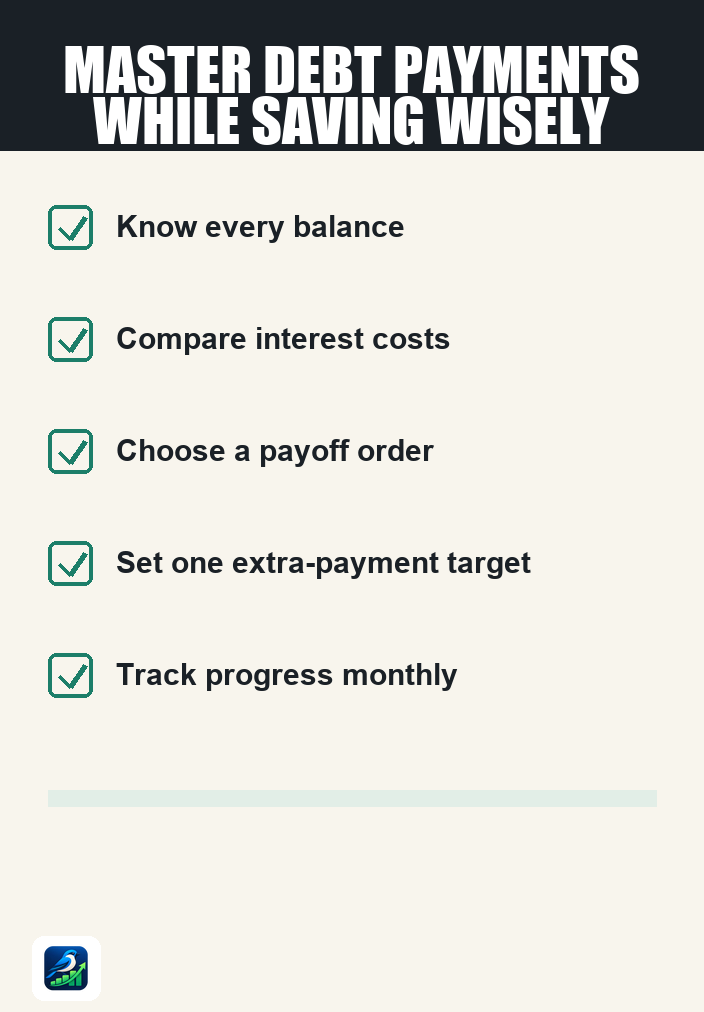
Understanding the Balance Between Debt Repayment and Savings
When you’re facing consumer debt, deciding whether to focus on paying it off or building your savings can feel overwhelming. It’s crucial to strike a balance that works for your financial situation. The right choice can vary based on individual circumstances, but understanding the trade-offs can help you make informed decisions.
Assessing Your Current Financial Situation
Before diving into debt repayment or savings, take a comprehensive look at your finances. Here are some steps to assess your situation:
- List Your Debts: Write down all debts, including the amount owed, interest rates, and monthly payments.
- Evaluate Your Income: Calculate your total monthly income, including all sources. This will help you understand how much you can allocate toward debt repayment and savings.
- Track Your Expenses: Keep a record of your monthly expenses. This will highlight areas where you can cut back and free up funds.
- Identify Your Financial Goals: What are you aiming for? Emergency savings, retirement, or a major purchase? Knowing your goals will guide your decisions.
Debt Repayment Strategies
Once you have a clear picture of your finances, it’s time to explore debt repayment strategies. Here are a few popular methods:
The Snowball Method
This strategy involves paying off your smallest debts first, gaining momentum as you eliminate balances. It can provide psychological benefits by motivating you to continue tackling larger debts.
The Avalanche Method
With the avalanche method, focus on paying off debts with the highest interest rates first. This approach can save you money over time but may require more patience, as you might not see immediate results.
Minimum Payments vs. Aggressive Payments
Consider how aggressively you want to pay down your debt. Making only minimum payments may keep you afloat but can lead to longer repayment periods and more interest paid over time. Alternatively, allocating a larger portion of your budget to debt repayment can accelerate your progress.
The Importance of Savings
While paying off debt is essential, having some savings is equally important. Here’s why:
- Emergency Fund: Life is unpredictable. An emergency fund can help you cover unexpected expenses without falling back into debt.
- Peace of Mind: Knowing you have a financial cushion can reduce stress and improve your overall well-being.
- Future Planning: Savings allow you to plan for future goals, such as buying a home or retirement, without relying solely on credit.
Finding the Right Balance
Striking a balance between debt repayment and savings requires careful thought. Here are some considerations:
Prioritize High-Interest Debt
If you have high-interest debt, such as credit card debt, prioritize paying this off first. The longer you carry this debt, the more you’ll pay in interest. However, aim to still allocate some funds toward savings, even if it’s a small amount.
Set Savings Goals
While you may want to focus on debt repayment, setting specific savings goals can help you stay motivated. Even a modest emergency fund can provide a safety net. Aim for at least $500 to $1,000 initially, and gradually build it up to cover three to six months of expenses.
Use the 50/30/20 Rule
A common guideline is the 50/30/20 rule: allocate 50% of your income to needs, 30% to wants, and 20% to savings and debt repayment. Adjust these percentages based on your specific situation, especially if you’re in a crisis mode with debt.
Exploring Debt Relief Options
If your debt feels unmanageable, consider various debt relief options. Understanding these can help you make better decisions:
- Debt Consolidation: This involves combining multiple debts into a single loan, often with a lower interest rate. This can simplify payments but may extend the repayment term.
- Debt Management Plans: Offered by credit counseling agencies, these plans negotiate lower interest rates or fees with creditors. You make a single monthly payment to the agency, which distributes the funds. However, fees may apply.
- Debt Settlement: This involves negotiating with creditors to settle debts for less than owed. It can negatively impact your credit score and may have tax implications.
- Bankruptcy: This is a legal process that can discharge certain debts but comes with long-term consequences, including significant impacts on your credit report.
Each of these options has pros and cons, so it’s vital to assess what aligns best with your situation. Professional advice may be beneficial to understand the implications fully.
Next Steps to Financial Balance
To effectively balance debt repayment and savings, consider the following practical steps:
- Review your financial situation regularly to adjust your strategy as needed.
- Create a budget that accounts for both debt repayment and savings.
- Automate savings to ensure consistency in building your emergency fund.
- Seek professional advice if you’re unsure about the best path forward, especially concerning debt relief options.
Balancing debt repayment and savings is a personal journey that requires ongoing evaluation and adjustment. By understanding your financial situation and setting clear goals, you can navigate this path more effectively.



















