
Understanding Collection Accounts on Your Credit Report
Collection accounts can be stressful and overwhelming, but understanding how to tackle them can help you regain control of your financial situation. When a debt goes unpaid for a certain period, creditors may send it to collections, leading to a negative mark on your credit report. This article will guide you through the steps to address collection accounts without sacrificing your peace of mind.
Assessing Your Collection Accounts
The first step in dealing with collection accounts is to assess your credit report. Obtain a copy of your credit report from a reliable source and look for any collection accounts listed. Pay attention to the following:
- Date of Last Activity: This indicates when the account was last active. It’s essential because older accounts may have less impact on your credit score.
- Amount Owed: Make a note of how much you owe on each account. This will help you prioritize which debts to address first.
- Account Status: Check if the account is marked as “paid,” “unpaid,” or “settled.” A settled account may still impact your credit score but generally less so than an unpaid account.
Options for Addressing Collection Accounts
Once you have a clear picture of your collection accounts, you can explore your options. Here are some common strategies:
1. Pay the Debt in Full
Paying the debt in full is often the most straightforward approach. This can remove the collection account from your credit report, depending on the creditor’s policies. However, before you make a payment, consider the following:
- Verify that the debt is yours. Dispute any inaccuracies before making a payment.
- Ensure that you can afford to pay the entire amount without compromising your other financial obligations.
2. Negotiate a Settlement
If paying in full isn’t feasible, you might consider negotiating a settlement. This involves offering a lower amount than what you owe to resolve the debt. Some tips for this approach include:
- Start with a lower offer than what you can afford; creditors often expect some negotiation.
- Get any agreement in writing before making a payment to ensure the terms are clear.
- Understand that settling a debt may still impact your credit score, but it can be less damaging than an unpaid account.
3. Set Up a Payment Plan
If you can’t pay everything at once, consider setting up a payment plan. Many collection agencies are willing to work with you to create a manageable payment schedule. Here’s how to approach this:
- Determine how much you can afford to pay each month without straining your budget.
- Contact the collection agency to discuss your situation and propose a payment plan.
- Keep records of all communications and payments.
4. Seek Professional Help
Sometimes, it may be beneficial to consult a credit counselor or a financial advisor. They can help you understand your options and create a plan that suits your financial situation. Here are some reasons you might seek professional help:
- You feel overwhelmed and unsure where to start.
- You want to explore debt management or consolidation options.
- You need assistance negotiating with creditors.
Understanding the Trade-offs
Each option comes with its trade-offs. It’s essential to weigh these carefully:
- Paying in Full: While this may improve your credit report, it can be a strain on your finances.
- Negotiating a Settlement: This can reduce your overall debt, but it may leave a mark on your credit report.
- Payment Plans: They can ease your financial burden, but missed payments can harm your credit further.
- Professional Help: While they can provide valuable guidance, their services often come with fees.
Recognizing the Impact on Your Credit
Collection accounts can significantly impact your credit score, but understanding this can help you manage your expectations. Here’s how:
- New collections will have a more considerable negative effect than older accounts.
- After settling or paying off a collection, it may take time for your credit score to improve.
- Monitoring your credit report regularly can help you track changes and understand the impact of your efforts.
Staying Calm Through the Process
Dealing with collection accounts can be stressful, but maintaining your peace of mind is crucial. Here are some strategies to help you stay calm:
- Set realistic goals for resolving your debts and give yourself time to work through them.
- Practice self-care to manage stress, such as exercise, meditation, or spending time with loved ones.
- Stay organized by keeping records of all communications, payments, and agreements.
Next Steps to Take Control
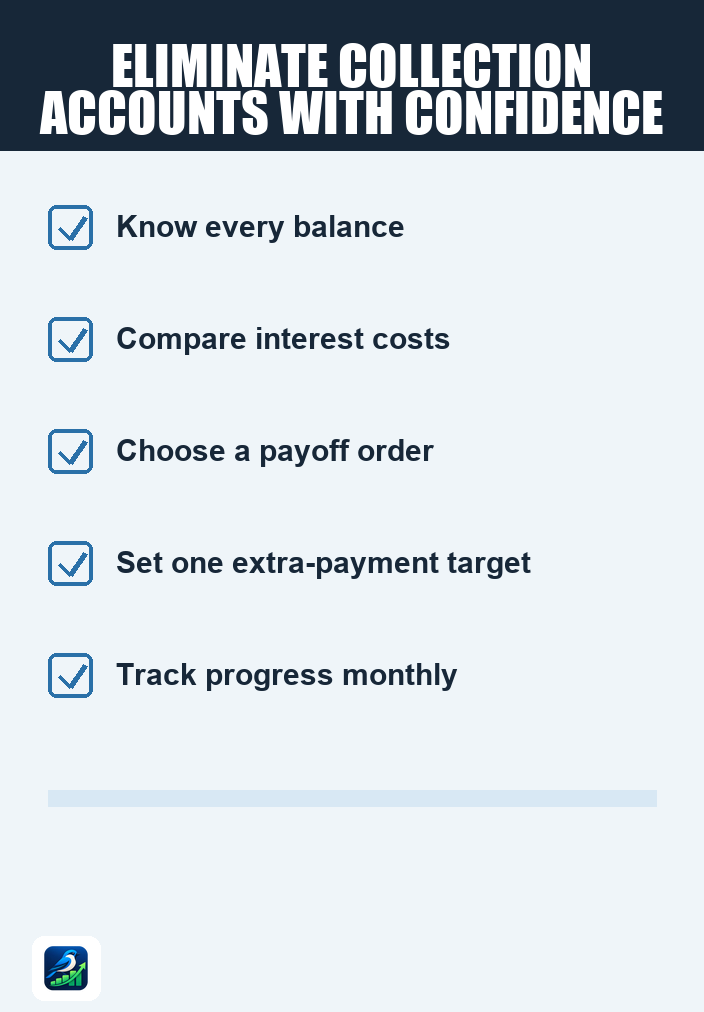
Now that you have a clearer understanding of how to tackle collection accounts, here are some actionable next steps:
- Obtain and review your credit report.
- Determine which collection accounts to address first based on your financial situation.
- Choose a strategy that aligns with your goals and financial capacity.
- Consider seeking professional help if you feel overwhelmed.
- Stay committed to your plan while practicing self-care to maintain your peace of mind.
By taking these steps, you can begin to address your collection accounts thoughtfully and strategically, all while keeping your peace of mind intact.



















