
Understanding Your Financial Situation After an Income Drop
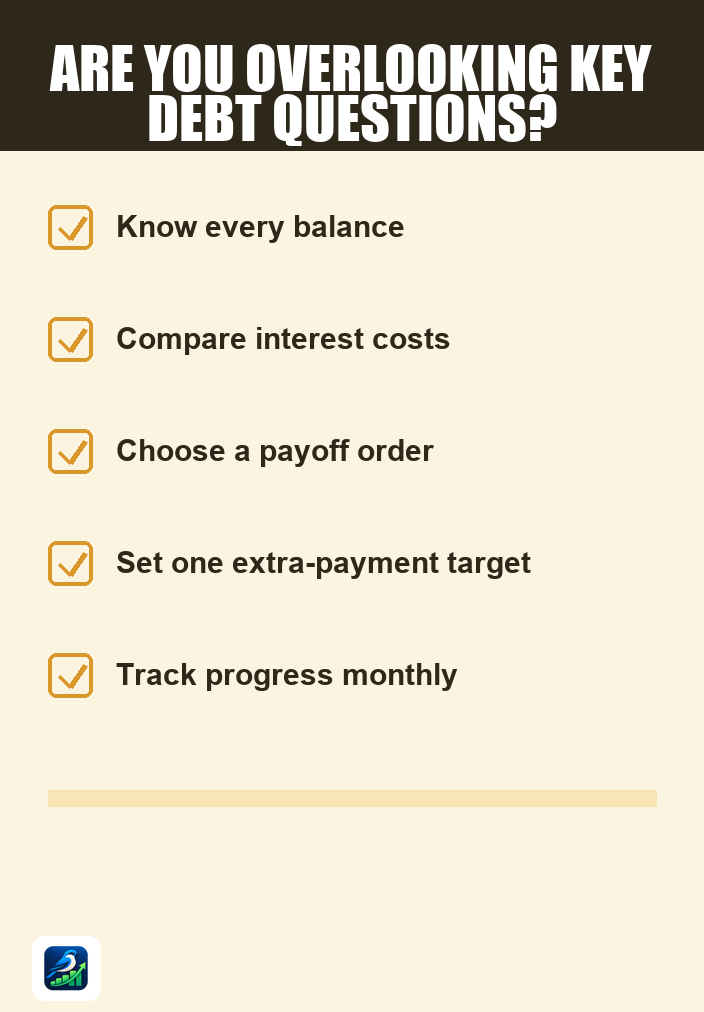
Experiencing a drop in income can be jarring and may leave you feeling overwhelmed, especially if you have existing debts. Before diving into solutions, it’s crucial to take a step back and assess your financial situation. Here are some key questions to ask yourself:
- What is my current income and expenses?
- How much debt do I have?
- What type of debt am I dealing with?
- What are my essential expenses and discretionary spending?
Understanding these elements will help you create a clearer picture of your financial landscape and guide your next steps in managing your debt.
Identifying Your Debt Types
Different types of debt can require different strategies. It’s important to identify what kinds of debt you have, as this will influence your repayment approach. Common types include:
- Secured Debt: This is debt backed by collateral, such as a mortgage or car loan. If you default, the creditor can seize the asset.
- Unsecured Debt: This includes credit card debt and personal loans. These debts aren’t tied to any specific asset.
- Student Loans: These may have specific repayment plans and options for deferment or forgiveness.
Understanding the nature of your debts will help you prioritize which ones to tackle first. For example, secured debts may require immediate attention to avoid losing your property.
Assessing Your Budget
After identifying your debts, the next step is to create a budget. Here are some practical questions to consider:
- What are my mandatory expenses? Identify rent, utilities, groceries, and transportation.
- What can I cut back on? Look at discretionary spending such as dining out, subscriptions, and entertainment.
- Can I find additional income sources? Consider part-time work, freelancing, or selling unused items.
Creating a budget will give you a clearer understanding of how much you can allocate toward debt repayment each month.
Exploring Debt Repayment Strategies
Once you have a grasp on your financial situation and budget, it’s time to think about how to tackle your debts. Here are some strategies to consider:
1. Snowball Method
The snowball method involves paying off your smallest debts first. This can create a sense of accomplishment and motivate you to continue.
2. Avalanche Method
In the avalanche method, you focus on paying off debts with the highest interest rates first. This can save you money in the long run.
3. Debt Consolidation
Debt consolidation combines multiple debts into a single loan, ideally with a lower interest rate. While this can simplify payments, it’s important to understand the terms and fees associated with this option.
4. Debt Management Plans
A debt management plan (DMP) involves working with a credit counseling agency to create a structured plan to pay off debts over time. Be aware of any fees involved and ensure the agency is reputable.
5. Debt Settlement
Debt settlement involves negotiating with creditors to pay off a debt for less than what you owe. While this can reduce your total debt, it can also negatively impact your credit score and may not be suitable for everyone.
6. Bankruptcy
If your debt situation is dire, bankruptcy may be an option. This legal process can provide a fresh start but comes with significant long-term consequences. Consult a legal expert to understand the implications.
Communicating with Creditors
Don’t overlook the importance of communication. Here are some questions to ask your creditors:
- Are there any options for hardship programs?
- Can I temporarily reduce my payments or extend my repayment period?
- What are the consequences if I can’t make a payment this month?
Many creditors are willing to work with you if they understand your situation, so it’s always worth having the conversation.
Understanding the Trade-offs
Every debt repayment strategy comes with its own set of trade-offs. Here are a few to consider:
- Debt Consolidation: While it can simplify payments, it may also extend your repayment period and result in paying more interest over time.
- Debt Settlement: This can lower your debt amount but might severely impact your credit score and could lead to tax implications.
- Bankruptcy: Offers a fresh start but has long-term effects on your credit and financial future.
Before choosing a path, weigh these trade-offs carefully and consider seeking professional advice if needed.
Next Steps
After gathering all this information and reflecting on your situation, it’s time to take action. Here’s what you can do next:
- Review your budget and prioritize your expenses.
- Choose a debt repayment strategy that aligns with your financial situation.
- Communicate with your creditors and explore potential options.
- Consider seeking professional guidance if your situation is complex.
Managing debt after an income drop can be challenging, but with the right questions and strategies, you can take control of your financial future. Remember, the key is to stay informed, organized, and proactive.



















