Understanding the Challenges of Budgeting with Irregular Income
Managing a budget can be tricky for anyone, but it becomes even more complicated when your income fluctuates. Many adults face this situation, whether they’re freelancers, contractors, or have jobs with varying hours. This article will help you identify common pitfalls that arise when budgeting with irregular income and provide practical strategies to navigate these challenges effectively.
Common Pitfalls in Budgeting with Irregular Income
When you have an inconsistent income, it’s easy to fall into specific traps that can lead to financial stress or even more significant issues like debt accumulation. Here are some common pitfalls to be aware of:
1. Underestimating Expenses
One of the most frequent mistakes is underestimating monthly expenses. When income varies, it can be tempting to focus on the highest income months and assume that expenses will align accordingly. However, expenses often remain consistent, regardless of income fluctuations.
- Solution: Track all your expenses for a few months to understand your spending habits. Create a list of fixed expenses (like rent or utilities) and variable expenses (like groceries or entertainment) to get a full picture.
2. Overestimating Income
Another common pitfall is overestimating future income. It can be easy to look at your best earning months and assume that every month will be similar. This can lead to overspending and, ultimately, debt.
- Solution: Use a conservative approach to budget your income. Take an average of your past earnings over the last six months to a year. This gives you a more realistic view of what you can expect moving forward.
3. Failing to Build an Emergency Fund
With fluctuating income, the need for a robust emergency fund becomes even more critical. Many people neglect this aspect, thinking their next paycheck will cover any unexpected expenses. However, when income is irregular, this can lead to financial strain.
- Solution: Aim to save at least three to six months’ worth of living expenses. Create a separate savings account specifically for emergencies, and contribute to it regularly, even if it’s just a small amount.
4. Ignoring Long-term Financial Goals
When you’re focused on managing month-to-month expenses, it’s easy to lose sight of long-term financial goals. This can lead to missed opportunities for saving or investing, ultimately jeopardizing your financial future.
- Solution: Set clear financial goals and allocate a portion of your income towards them. This could involve setting up automatic transfers to a retirement or savings account whenever you receive a payment.
5. Lack of Flexibility
Budgeting with irregular income requires flexibility. Rigid budgets can lead to frustration and a sense of failure when things don’t go as planned. Many individuals find themselves stressed when they can’t adhere to their budget.
- Solution: Create a flexible budget that allows for adjustments. You can use a percentage-based approach to allocate your income rather than a fixed dollar amount.
6. Not Prioritizing Debt Repayment
When income fluctuates, it can be easy to put off debt repayment, especially if you’re focused on managing current expenses. This can lead to accumulating interest and making it even harder to get out of debt.
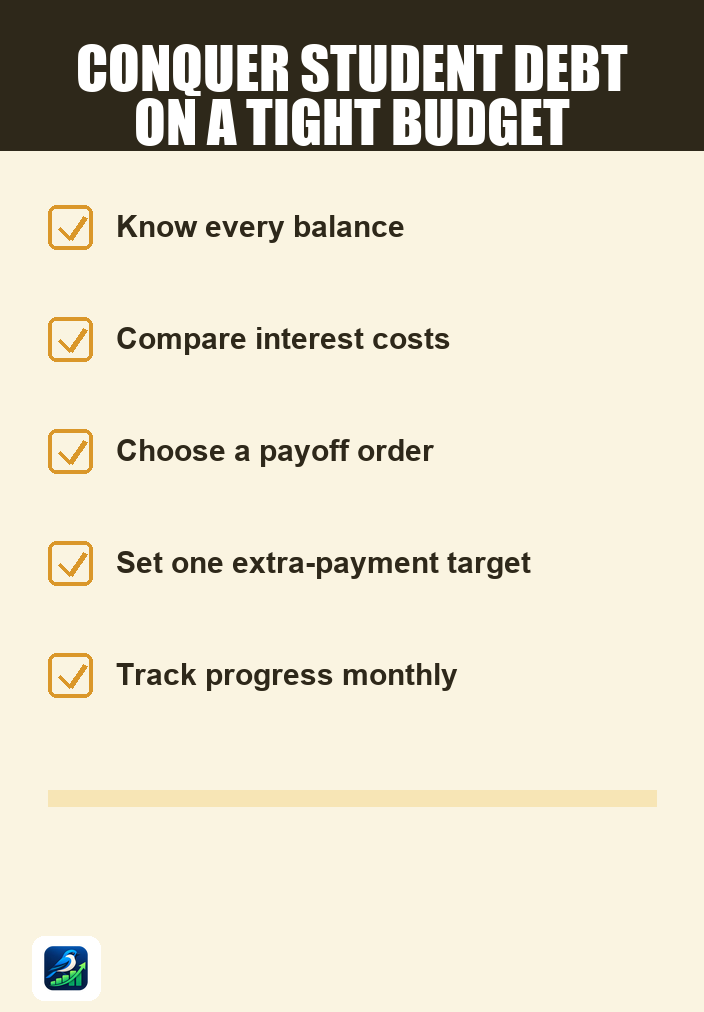
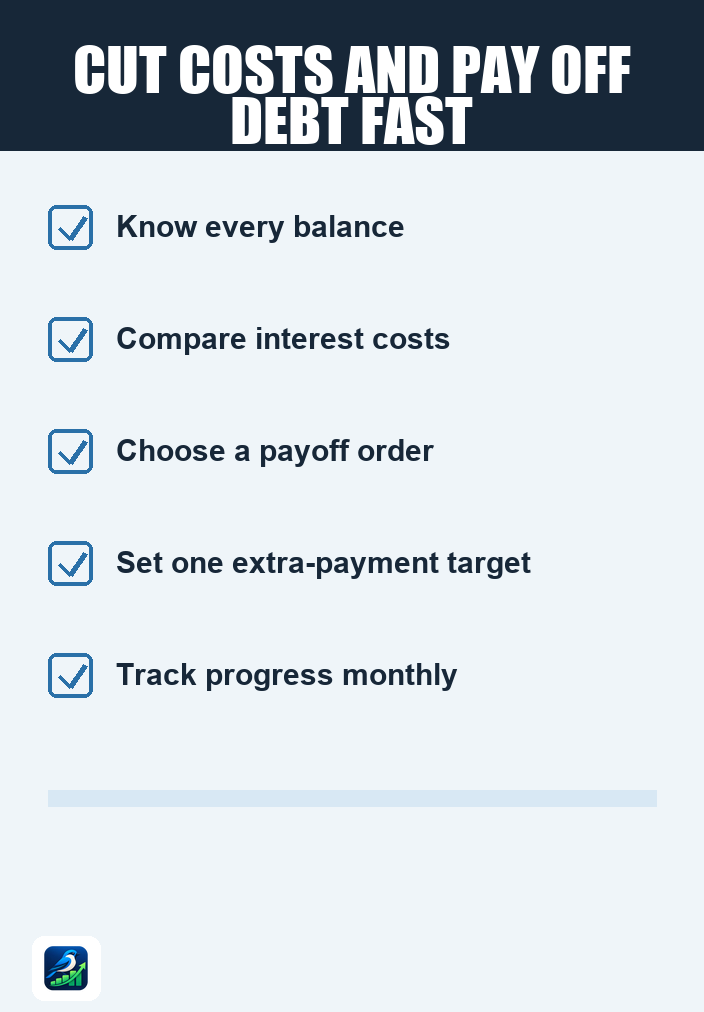
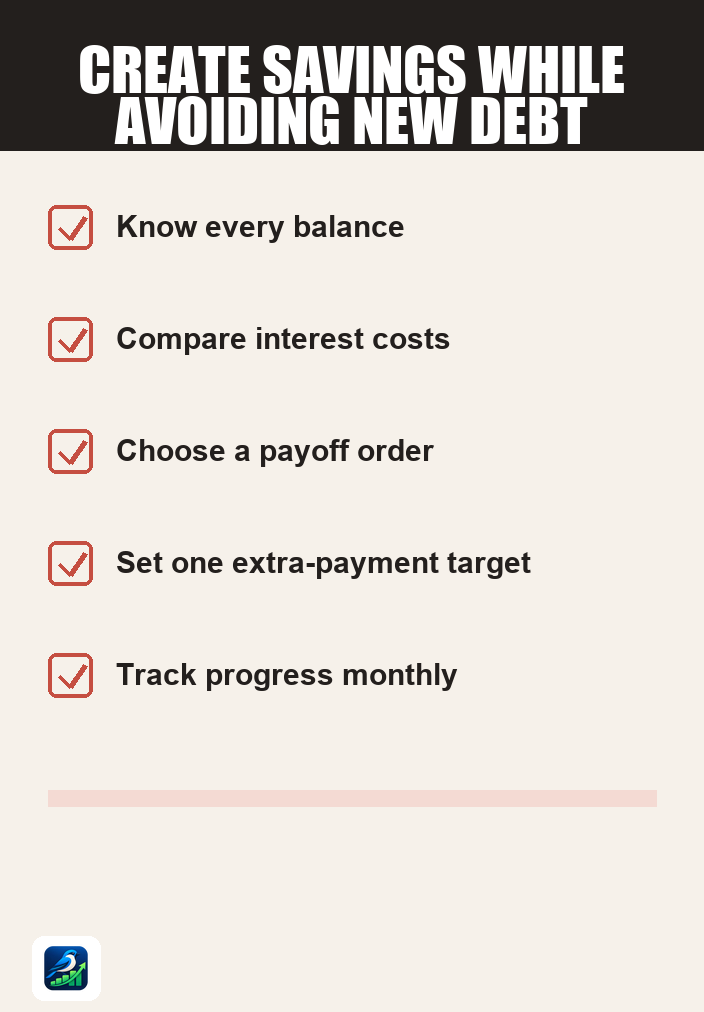
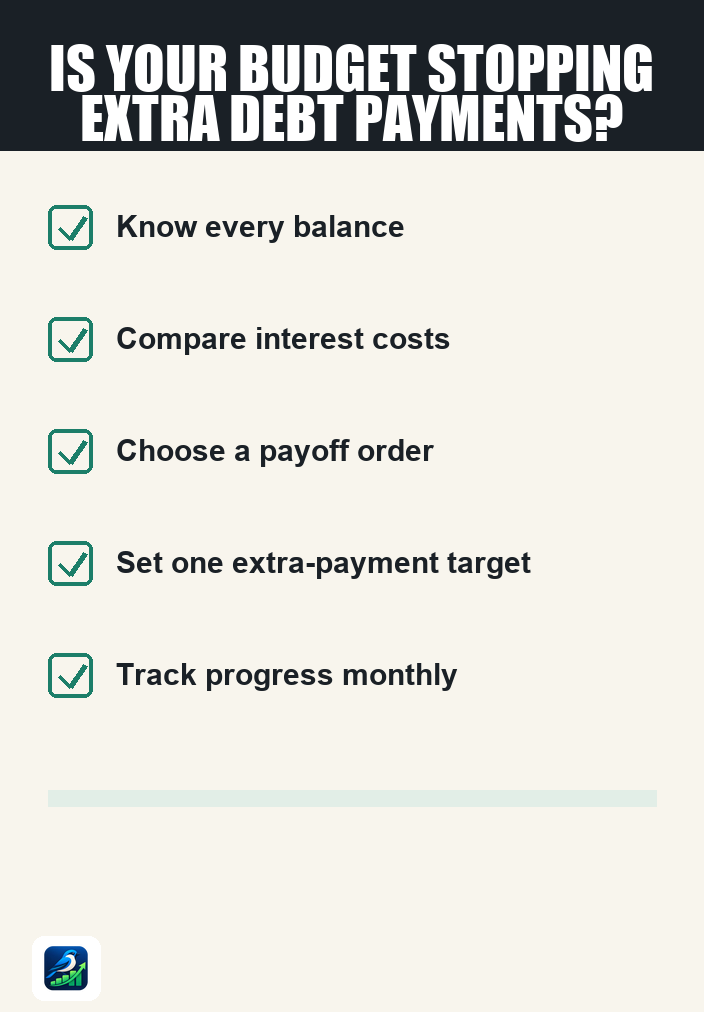
- Solution: Make a plan for debt repayment that aligns with your income schedule. Consider using the snowball or avalanche method to prioritize which debts to pay off first, and allocate a set percentage of your income towards debt each month.
Strategies for Effective Budgeting with Irregular Income
Now that we’ve identified common pitfalls, let’s explore some practical strategies for managing your budget effectively when your income is inconsistent.
1. Use the Zero-Based Budgeting Method
In a zero-based budget, every dollar you earn is assigned a specific purpose, whether it’s for expenses, savings, or debt repayment. This method encourages you to be intentional with your spending and can help you manage irregular income more effectively.
- Steps:
- Calculate your total income for the month.
- List all your expenses and savings goals.
- Assign each dollar until you reach zero, ensuring that every dollar has a job.
2. Create a Buffer in Your Budget
Establishing a buffer can provide extra security in months when your income is lower than expected. This means budgeting slightly less than your average income to create a cushion for leaner months.
- How to Implement:
- Determine your average monthly income.
- Budget using 80-90% of this average to create room for fluctuations.
3. Revisit Your Budget Regularly
Your budget should be a living document that you revisit regularly, particularly as your income changes. This will help you stay on top of your financial situation and make necessary adjustments.
- Recommendation: Set aside time each month to review your income, expenses, and savings goals. Adjust your budget as needed based on your financial situation.
4. Utilize Apps and Tools
There are numerous budgeting apps available that can help you manage your finances more effectively. These tools can help you track income, expenses, and savings goals, making it easier to stay organized.
- Consider: Look for apps that allow you to set up multiple income streams or provide features geared towards fluctuating income.
Next Steps for Managing Irregular Income
Managing irregular income can be challenging, but with the right strategies, you can create a budget that works for you. Start by tracking your income and expenses, build an emergency fund, and remain flexible in your budgeting approach. Remember, the key to success is to be proactive and to adjust your budget as needed. Financial management is a journey, and taking these steps can set you on the right path toward stability.