
Understanding Debt Settlement in Multi-Debt Situations
Debt settlement can seem like a tempting solution for individuals facing multiple debts. However, navigating the risks associated with it requires careful consideration and preparation. This article provides a preparedness checklist to help you assess whether debt settlement is right for your situation and how to approach it effectively.
What is Debt Settlement?
Debt settlement involves negotiating with creditors to reduce the total amount owed. The idea is to pay a lump sum that is less than the total debt, often after a period of missed payments. While this might sound appealing, it carries its own set of risks and drawbacks, particularly when dealing with multiple debts.
Preparing for Debt Settlement
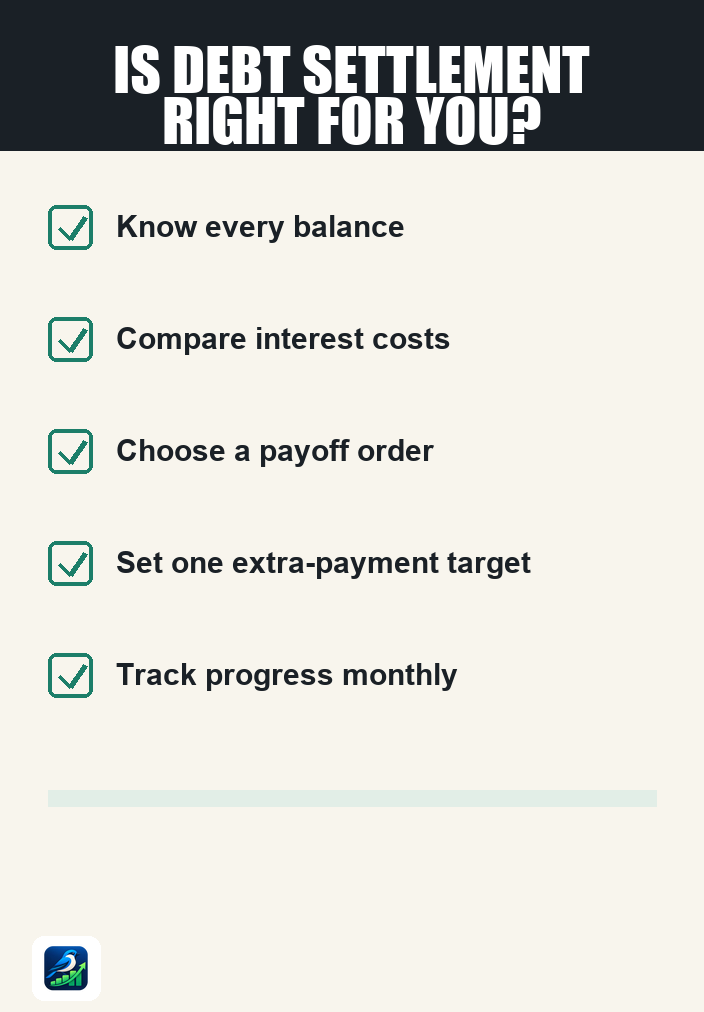
Before diving into debt settlement, it’s crucial to prepare yourself and understand what you’re getting into. Here’s a checklist to help you get started:
1. Assess Your Debt Load
- List Your Debts: Create a comprehensive list of all your debts, including credit cards, personal loans, and any other obligations.
- Evaluate Debt Types: Different types of debt (secured vs. unsecured) may have different implications for settlement. Secured debts usually cannot be settled without losing collateral.
- Identify Creditor Policies: Understand that each creditor has its own policies regarding settlements. Some may be open to negotiation, while others may not.
2. Create a Budget
A clear budget will help you determine how much you can realistically offer to settle your debts. Consider the following:
- Monthly Income: Calculate your total monthly income from all sources.
- Essential Expenses: List your necessary monthly expenses, such as housing, utilities, groceries, and transportation.
- Disposable Income: Subtract your essential expenses from your income to find out how much you can allocate toward debt settlement.
3. Understand the Risks and Drawbacks
Before proceeding, it’s essential to be aware of the potential downsides of debt settlement:
- Credit Score Impact: Settling debts can negatively impact your credit score. Creditors may report settled accounts as “settled” rather than “paid in full,” which could hurt your score.
- Tax Implications: The IRS may consider any forgiven debt as taxable income. Consult a tax professional to understand your obligations.
- Legal Risks: Creditors may pursue legal action if they believe you are not making good faith efforts to pay your debts.
Negotiating the Settlement
If you decide to proceed with debt settlement, here are steps to help you navigate the negotiation process:
1. Gather Documentation
Compile all relevant documents, including account statements, payment history, and correspondence with creditors. This documentation will support your negotiation.
2. Contact Your Creditors
Reach out to your creditors to discuss your situation. It’s often helpful to:
- Be Honest: Explain your financial challenges candidly. Creditors may be more willing to negotiate if they understand your situation.
- Propose a Settlement Amount: Offer a lump sum that you can afford, based on your budget. Start lower than what you can ultimately pay to leave room for negotiation.
- Document Everything: Keep a record of all communications, including dates, times, and the names of the representatives you speak with.
3. Get the Settlement in Writing
Once you reach an agreement, request written confirmation of the terms before making any payments. This document should detail the amount agreed upon, the date by which it must be paid, and the implications for your credit report.
Alternatives to Debt Settlement
While debt settlement can be a viable option for some, it’s not the only path to debt relief. Consider these alternatives:
- Debt Consolidation: This involves combining multiple debts into a single loan with a potentially lower interest rate. This can simplify payments and may reduce overall interest costs.
- Debt Management Plans: Working with a credit counseling agency, you can create a plan to pay off debts over time, usually with reduced interest rates and fees.
- Bankruptcy: In some cases, bankruptcy may be a more appropriate option, especially if debts are overwhelming. However, it comes with significant long-term consequences for your credit.
Final Considerations
Debt settlement can be a complex and risky undertaking, particularly in multi-debt situations. By carefully assessing your debts, preparing a budget, and understanding the risks involved, you can make more informed decisions about your financial future. It may also be wise to consult a financial advisor or a credit counselor to explore all available options.
Next Steps
Once you have assessed your situation and considered your options, take the following next steps:
- Review your checklist: Ensure you have completed all preparatory steps before initiating negotiations.
- Reach out for support: Whether it’s a trusted friend or a professional, don’t hesitate to seek advice as you navigate your debt relief journey.
- Stay Committed: Regardless of the path you choose, stick to your plan and adjust as necessary to stay on track toward financial recovery.



















