
Understanding Debt Repayment Strategies: Debt Snowball vs. Debt Avalanche
When you’re navigating through consumer debt, finding the right repayment strategy can be crucial, especially if you’re on a tight budget. Two popular methods are the debt snowball and debt avalanche strategies. Both aim to help you pay down debt effectively, but they differ significantly in their approach. Let’s break down each method, their pros and cons, and how to choose the right one for your situation.
What is the Debt Snowball Method?
The debt snowball method focuses on paying off your smallest debts first, regardless of interest rates. This approach provides psychological benefits, as clearing debts gives you a sense of accomplishment that can motivate you to continue.
How the Debt Snowball Works
- List your debts from smallest to largest.
- Make minimum payments on all debts except the smallest.
- Put any extra funds toward the smallest debt until it’s paid off.
- Once the smallest debt is cleared, move to the next smallest debt, adding the amount you were paying on the first debt to the payments on the second.
Example of the Debt Snowball
Imagine you have the following debts:
- Credit Card A: $500 balance
- Credit Card B: $1,500 balance
- Personal Loan: $2,500 balance
With the debt snowball method, you would focus on paying off Credit Card A first. Once it’s paid off, you’d take the amount you were paying on that debt and add it to your payments for Credit Card B.
What is the Debt Avalanche Method?
In contrast, the debt avalanche method prioritizes debts based on interest rates. You pay off the highest-interest debt first, which can save you money on interest over time.
How the Debt Avalanche Works
- List your debts from highest to lowest interest rate.
- Make minimum payments on all debts except the one with the highest interest rate.
- Put any extra funds toward the highest-interest debt until it’s paid off.
- Once that debt is cleared, move on to the next highest-interest debt, adding the previous payment amount to it.
Example of the Debt Avalanche
Consider the following debts:
- Credit Card A: $1,000 balance at 20% interest
- Credit Card B: $2,000 balance at 15% interest
- Personal Loan: $3,000 balance at 10% interest
Using the debt avalanche method, you would focus on paying off Credit Card A first because it has the highest interest rate. After it’s paid off, you would then concentrate on Credit Card B.
Comparing the Two Methods
Both methods have their strengths and weaknesses. Here are some factors to consider:
Psychological Motivation vs. Financial Efficiency
- Debt Snowball: Offers quick wins, making it easier to stay motivated. This is particularly beneficial if you struggle with staying focused on long-term goals.
- Debt Avalanche: Saves you more money in interest payments over time. If you can stay disciplined and focused, this might be the best option.
Budget Considerations
Your current financial situation plays a significant role in choosing a method:
- If you have small debts that can be paid off quickly, the snowball method might give you the boost you need.
- If most of your debt is high-interest, the avalanche method could save you money in the long run, helping you get out of debt faster.
Making the Right Choice for Your Situation
Choosing between the debt snowball and debt avalanche methods depends on your financial habits, psychological needs, and the specifics of your debt situation. Here are some criteria to help you decide:
- If you find motivation in seeing debts disappear quickly, the debt snowball might be best.
- If you prefer a method that minimizes interest and maximizes savings, the debt avalanche could be more effective.
- Consider your cash flow: If you can only make minimum payments, the snowball method may be more manageable in the short term.
Alternative Options to Consider
If you’re struggling with both methods due to a tight budget, other options might be viable:
- Debt Consolidation: This involves combining multiple debts into a single loan with a lower interest rate. This can simplify payments, but there are fees and risks involved.
- Debt Management Plans: These are structured repayment plans that can lower interest rates, but they require you to work with a credit counseling agency.
- Debt Settlement: This involves negotiating with creditors to pay less than the total owed. It can impact your credit score and isn’t suitable for everyone.
- Bankruptcy: This is a legal process that can eliminate or restructure your debts, but it has long-term financial and legal consequences.
Next Steps for Managing Your Debt
Whichever method you choose, here are some practical steps to get started:
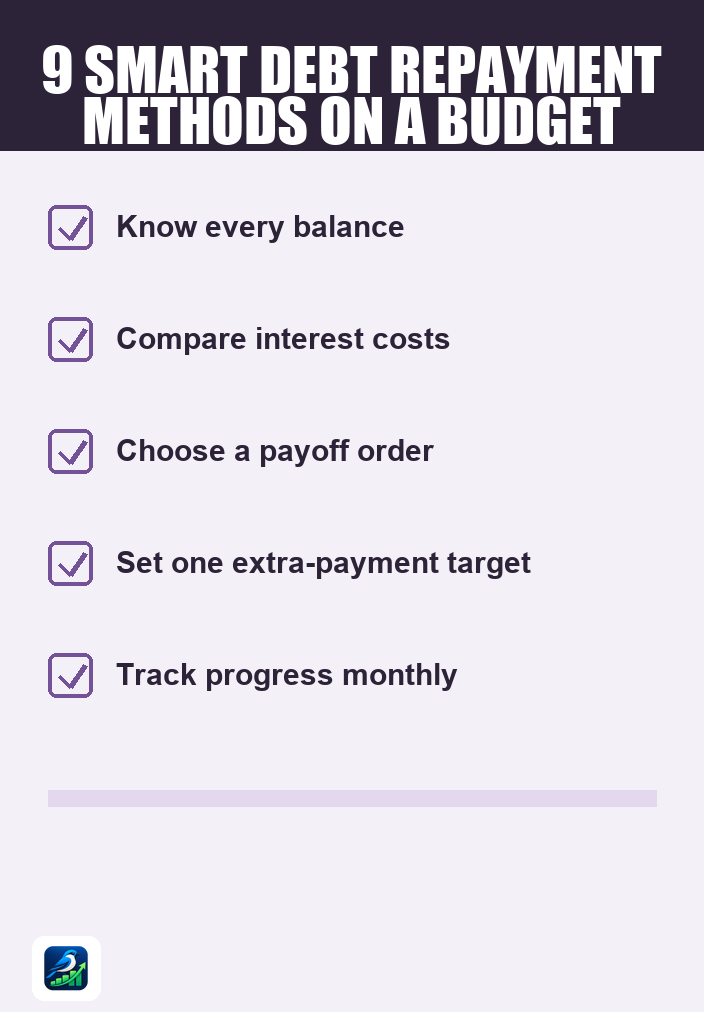
- List out all your debts, including balances and interest rates.
- Decide on your repayment strategy: snowball, avalanche, or an alternative option.
- Create a budget to identify how much extra money you can allocate to debt repayment each month.
- Stay committed: Regularly review your progress and adjust your budget as necessary.
- Consider seeking professional guidance if you’re unsure about your options or if your debt feels overwhelming.
Ultimately, the goal is to find a system that works for you and stick with it. Both the debt snowball and debt avalanche methods can lead to a debt-free future when implemented with dedication and patience.



















