
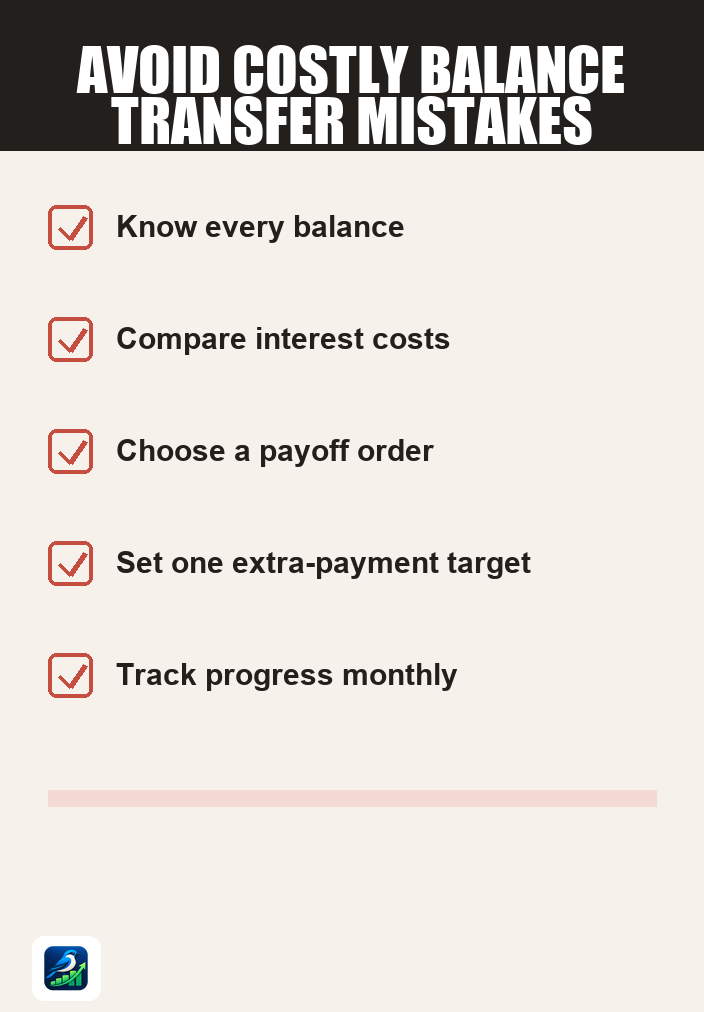
Understanding Balance Transfers: Key Considerations
When you’re dealing with credit card debt, balance transfers can seem like a tempting solution. They often promise lower interest rates and a chance to simplify your payments. However, not all balance transfer offers are created equal. Knowing how to compare these offers effectively can save you money and help you manage debt more efficiently.
What is a Balance Transfer?
A balance transfer involves moving debt from one or more credit cards to another card, usually one that offers a lower interest rate. This can help reduce the amount of interest you pay over time and may even allow you to pay off your balance faster. However, there are important details to consider before making this move.
Key Factors to Compare Balance Transfer Offers
To effectively compare balance transfer offers, focus on these critical factors:
1. Introductory APR and Duration
Many balance transfer offers feature an introductory annual percentage rate (APR) that is significantly lower than the standard rate. It’s essential to understand:
- Length of introductory period: This can range from a few months to over a year. Longer periods give you more time to pay off your balance without accruing high interest.
- Standard APR after the introductory period: Know what rate you’ll be facing once the introductory period ends. This rate can vary widely.
2. Balance Transfer Fees
Most credit cards charge a fee for balance transfers, which is typically a percentage of the amount being transferred (often around 3-5%). Here’s what to consider:
- Calculate total costs: If you’re transferring a large balance, even a small percentage can add up quickly. For instance, a 3% fee on a $5,000 balance would cost you $150.
- Weigh against potential savings: Make sure that the savings from a lower interest rate outweighs the cost of the transfer fee.
3. Credit Limit
Before proceeding with a balance transfer, check the credit limit on the card to which you’re transferring debt. Consider the following:
- Will the limit cover your existing debt? If your balance exceeds the limit, you won’t be able to transfer the entire amount.
- Impact on credit utilization: A higher balance on a single card can negatively affect your credit score. Try to keep your utilization below 30% of your total limit.
4. Payment Terms and Conditions
Read the terms and conditions carefully. Look for:
- Minimum payment requirements: Make sure you understand what’s expected. Missing payments can lead to penalties and higher interest rates.
- Conditions for promotional rates: Some offers may require you to make a minimum payment each month to maintain the promotional rate.
5. Additional Benefits or Perks
Some credit cards offer additional perks, such as cashback on purchases or rewards points. While these can be appealing, they shouldn’t overshadow the primary goal of reducing your debt. Consider:
- Are the rewards worth it? Sometimes the benefits are minimal compared to the balance transfer costs.
- Do these benefits align with your financial goals? If your main aim is to pay off debt, rewards may not be your primary concern.
Weighing the Trade-offs
While balance transfers can be an effective tool for managing debt, they come with trade-offs. Here are some considerations:
- Potential for more debt: If you transfer balances but continue to use the old cards, you may end up with even more debt.
- Short-term solution: Balance transfers are often a temporary fix. They don’t address the underlying spending habits that led to the debt in the first place.
- Impact on your credit score: Opening a new credit card can affect your credit score, especially if you have multiple inquiries or if your credit utilization increases.
Alternatives to Balance Transfers
If a balance transfer doesn’t seem like the best option for your situation, consider other strategies for managing your debt:
- Debt consolidation loans: These loans can combine multiple debts into one monthly payment, often at a lower interest rate.
- Debt management plans: A credit counseling agency can help you create a structured repayment plan, potentially negotiating lower rates with creditors.
- Debt settlement: This involves negotiating with creditors to settle your debt for less than the total owed, but it can have significant impacts on your credit score.
- Bankruptcy: As a last resort, bankruptcy can provide relief from debts, but it comes with long-term consequences for your credit history.
Next Steps: Making an Informed Decision
When considering a balance transfer, take a strategic approach:
- Gather your current credit card statements: Know your balances, APRs, and any fees associated with your existing debts.
- Research and compare offers: Look at various cards and their terms side by side to make an informed choice.
- Calculate potential savings: Use a simple calculator to determine how much interest you could save over the course of the balance transfer period.
- Consult a financial advisor: If you’re unsure about the best route, seeking professional guidance can provide clarity tailored to your situation.
By approaching balance transfers with careful consideration and thorough research, you can make a more informed decision that aligns with your financial goals.



















