
Understanding the Implications of Late Credit Card Payments
Making a late credit card payment can feel like a daunting decision, especially if you’re already navigating the complexities of personal finance. Before you decide to skip a payment, it’s essential to consider several factors that could impact your financial health. This article will guide you through key questions to ask yourself, the potential consequences of late payments, and what options you may have.
Key Questions to Evaluate Your Situation
When faced with the possibility of making a late payment, ask yourself the following questions:
1. What is the reason for the late payment?
Understanding why you might miss a payment can help clarify your decision. Are you facing unexpected expenses, a temporary loss of income, or a budgeting oversight? Identifying the root cause can help you decide whether to prioritize this payment or seek alternatives.
2. How late will the payment be?
The timing of your payment matters significantly. Credit card companies often have a grace period, usually around 15 days, before fees are applied or your account enters delinquency. If you can make the payment within that window, it may be less impactful. However, if you’re already beyond this period, the ramifications could increase.
3. What are the potential fees or penalties?
Most credit cards impose late fees that can vary widely. Understanding the specific costs associated with your missed payment can help you weigh the financial impact. Some cards may charge a flat fee, while others may increase your interest rate upon a missed payment. Review your card agreement for details on these penalties.
4. How will this affect my credit score?
Late payments can negatively affect your credit score, especially if they are reported. Typically, payments more than 30 days late are reported to credit bureaus and can lower your score. Consider how this could impact future borrowing opportunities or insurance rates.
5. Is there a way to negotiate with the creditor?
If you’re in a tight spot, reaching out to your credit card issuer might be beneficial. Some companies may offer hardship programs or allow for a temporary deferment, especially if you have a good payment history. It’s worth asking, as this may help you avoid penalties.
Understanding the Consequences of Late Payments
It’s crucial to be aware of the potential consequences of making a late payment. Here are some common repercussions:
- Late Fees: As mentioned, most issuers will charge a late fee, which can add to your overall debt.
- Increased Interest Rates: A missed payment may trigger a higher interest rate, making future borrowing more expensive.
- Credit Score Impact: Late payments can stay on your credit report for up to seven years, affecting your ability to secure loans or favorable interest rates.
- Potential for Account Closure: Chronic late payments may lead a creditor to close your account, limiting your available credit.
Exploring Alternatives to Late Payments
If you find yourself unable to make a payment on time, consider these alternatives:
1. Payment Plans
Many credit card companies may offer payment plans. This could involve spreading your payment over a few months, making it more manageable without incurring late fees.
2. Balance Transfer
If you have another credit card with a lower interest rate, consider transferring your balance. This can provide some relief in terms of interest, but be cautious of any transfer fees or promotional rates that may expire.
3. Budget Adjustment
Take a close look at your budget. Can you cut back on non-essential expenses to free up cash for your payment? Adjusting your budget can help prioritize debt repayment.
4. Debt Management Plans
If you’re consistently struggling with payments, a debt management plan through a nonprofit credit counseling agency may be a viable option. They can help negotiate lower payments and interest rates, making your debt more manageable.
Long-Term Strategies for Managing Credit Card Debt
To prevent future late payments, consider these long-term strategies:
- Set Up Automatic Payments: Automating your payments can help ensure you never miss a due date, as long as you have sufficient funds in your account.
- Create a Payment Calendar: Keeping a calendar with due dates can serve as a reminder, helping you stay organized.
- Build an Emergency Fund: Having a small fund set aside can help you handle unexpected expenses without missing payments.
- Regularly Review Your Finances: Staying on top of your financial situation can help you anticipate challenges before they become significant issues.
Next Steps to Consider
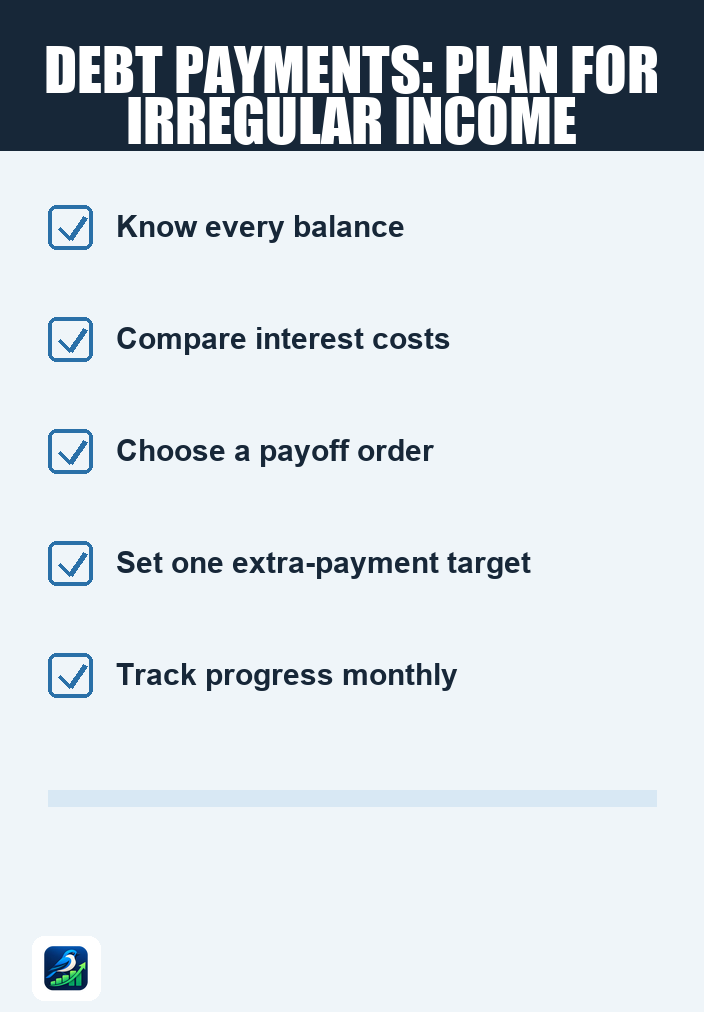
If you find yourself facing a late credit card payment, take a moment to evaluate your situation using the questions outlined above. Consider the potential consequences and explore alternatives that may help you avoid penalties. Staying proactive about your finances and making informed decisions can significantly mitigate future risks.
Remember, if you’re feeling overwhelmed, seeking guidance from a financial professional can provide tailored insights to help you navigate your specific circumstances effectively.