
Understanding High-Interest Credit Card Debt
High-interest credit card debt can feel overwhelming, often leading to stress and uncertainty. Before tackling this type of debt, it’s essential to assess your situation and understand your options. The right time to address high-interest debt is typically when you recognize it as a burden that affects your financial well-being. But determining how to tackle it requires careful consideration.
When to Take Action Against High-Interest Debt
Recognizing the right time to act is crucial. Here are some signs that it may be time to address your high-interest credit card debt:
- Minimum Payments Are Challenging: If making only the minimum payments is a strain on your budget, it’s a clear signal to reassess your debt strategy.
- Debt Is Growing: If your balances are increasing despite regular payments, high interest rates may be consuming your payments.
- Financial Goals Are Stalled: If you find it difficult to save for retirement, emergencies, or other financial goals due to monthly debt obligations, it’s time to reconsider your approach.
- Multiple Credit Cards Are Overwhelming: Juggling multiple cards can complicate your financial life. If you struggle to keep track, consolidation might be worth exploring.
Understanding Your Options
Once you’ve identified that it’s time to address your debt, you can explore several options. Each comes with its own pros and cons, and the right choice depends on your specific circumstances.
1. Debt Consolidation
Debt consolidation involves combining multiple debts into a single loan, often with a lower interest rate. This can simplify payments and reduce monthly obligations.
- Pros: Simplifies payments, potentially lowers interest rates, and can help you stay organized.
- Cons: You may extend the repayment period, leading to more interest paid over time. Consolidation doesn’t address the underlying spending habits that led to debt.
2. Debt Management Plans
A debt management plan (DMP) involves working with a credit counseling agency to create a repayment strategy. This can include negotiating lower interest rates with creditors.
- Pros: Potentially lower interest rates and fees, and you receive professional help managing your debt.
- Cons: Requires commitment to a structured payment plan, which can take several years. There may also be fees associated with the counseling service.
3. Debt Settlement
Debt settlement involves negotiating with creditors to pay a lump sum that is less than the full amount owed. This can significantly reduce the total debt.
- Pros: Potential for significant savings on the total debt amount.
- Cons: It can severely impact your credit score and may have tax implications since forgiven debt can be considered income. Not all creditors agree to settle.
4. Bankruptcy
Bankruptcy provides a legal way to eliminate or restructure debt. It can stop collections and give you a fresh start.
- Pros: Can discharge most unsecured debts and stop creditor harassment.
- Cons: Long-term impact on credit score, fees associated with filing, and potential loss of assets depending on the type of bankruptcy filed.
Evaluating Your Financial Situation
Before deciding on a method to tackle your debt, it’s important to evaluate your financial situation thoroughly. Here are some steps to guide you:
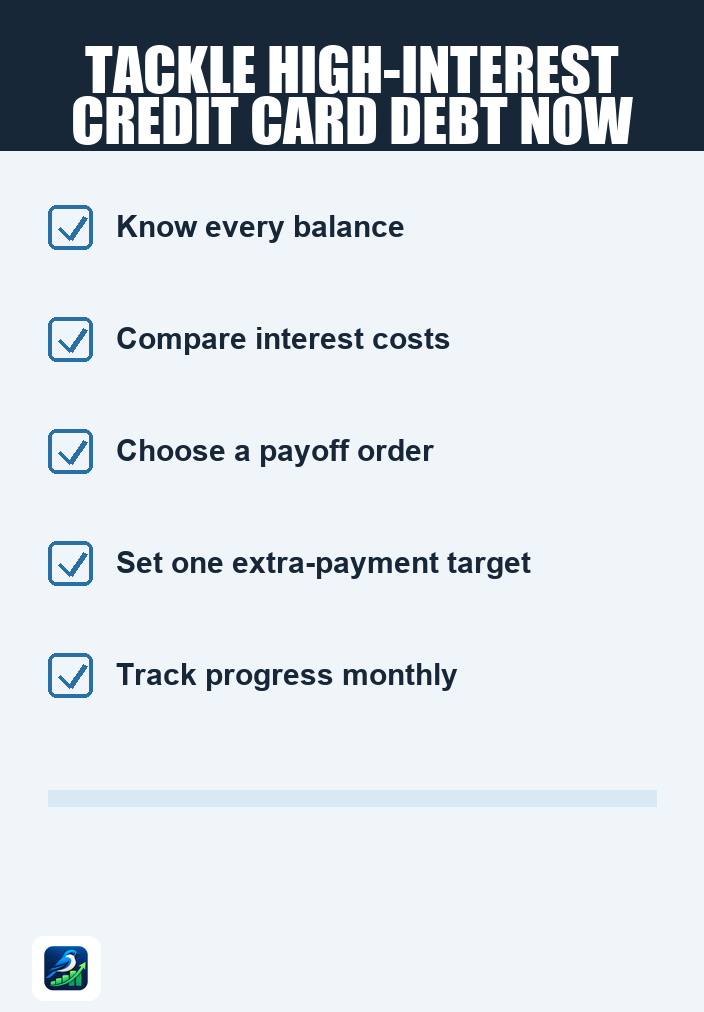
- List All Debts: Include balances, interest rates, and minimum payments.
- Assess Income and Expenses: Create a budget to see how much you can allocate towards debt repayment each month.
- Determine Your Risk Tolerance: Consider how comfortable you are with potential impacts on your credit score or loan terms.
- Research Options: Understand each option and its implications fully. Consider speaking with a financial advisor or credit counselor for guidance.
Concrete Steps to Take
Once you’ve evaluated your situation and chosen an approach, here are some practical steps to follow:
- Set Clear Goals: Define what you want to achieve—be it paying off the debt entirely, reducing monthly payments, or improving your credit score.
- Create a Plan: Develop an actionable plan based on your chosen method. Set timelines and milestones to track progress.
- Monitor Your Progress: Regularly review your budget and debt repayment status. Adjust your plan if necessary.
- Stay Educated: Continue learning about personal finance to make informed decisions in the future.
Next Steps
Addressing high-interest credit card debt is a journey, but with the right timing and method, you can regain control over your finances. Start by assessing your situation, exploring your options, and implementing a concrete plan. Remember, financial stability is a process, and taking the first steps can lead to significant improvements in your financial health.



















