
Understanding Your Credit Card Debt Situation
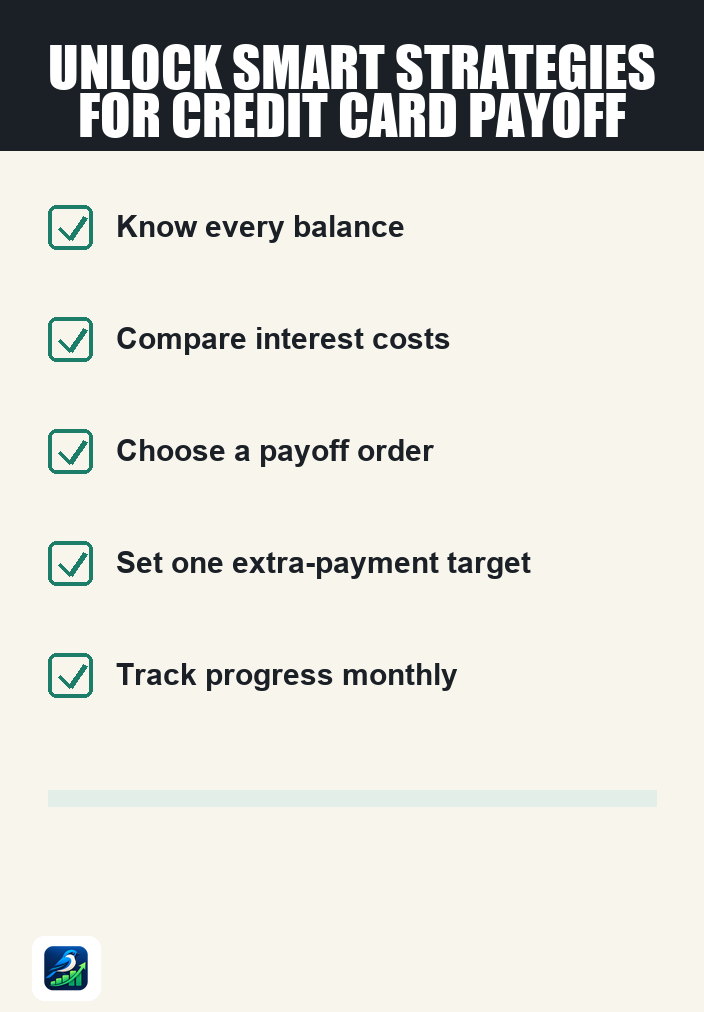
Before diving into strategies for prioritizing credit card payoff, it’s essential to grasp the full scope of your financial standing. Take a moment to gather all your credit card statements and create a comprehensive list of your debts. This should include the total balance owed, the interest rate for each card, the minimum payment, and any relevant due dates.
Once you have a clear picture of what you owe, you can start to strategize how to tackle your credit card debt. The goal is not just to pay down debt but to do so in a way that aligns with your financial situation and goals.
Choosing a Payoff Strategy
There are several approaches to prioritize your credit card payments. Each comes with its pros and cons, so it’s important to consider which method best fits your circumstances.
The Avalanche Method
The avalanche method focuses on paying off your highest-interest debt first. Here’s how it works:
- List your credit cards in order of interest rate, from highest to lowest.
- Continue to make minimum payments on all cards except the one with the highest interest rate.
- Put any extra money toward the highest-interest card until it’s paid off.
- Once that card is paid off, move to the next highest interest card.
This method can save you money on interest over time, making it a financially savvy choice for many. However, it may take longer to see progress, which could affect your motivation.
The Snowball Method
In contrast to the avalanche method, the snowball method prioritizes paying off the smallest debts first. Here’s how to implement it:
- List your credit cards in order of balance, from smallest to largest.
- Make minimum payments on all debts except the smallest one.
- Put any extra funds toward the smallest debt until it’s paid off.
- Once the smallest debt is gone, move to the next smallest, and so on.
This approach can provide psychological benefits, as paying off smaller debts quickly can boost your motivation and confidence. However, you may end up paying more in interest over time compared to the avalanche method.
Considering Debt Consolidation
Debt consolidation can be an option if you’re struggling to manage multiple credit card payments. This involves combining your debts into a single loan, ideally with a lower interest rate. Here are some key points to consider:
- Types of consolidation: You can consolidate through personal loans, balance transfer credit cards, or home equity loans.
- Benefits: Simplifies payments and may reduce the interest rate.
- Drawbacks: May involve fees, and if you consolidate without addressing spending habits, you could end up in deeper debt.
Debt consolidation can be effective, but it’s crucial to weigh the costs and benefits carefully. Make sure to read all terms and conditions before proceeding.
Exploring Debt Management Plans
Another option is a debt management plan (DMP), which involves working with a credit counseling agency. They negotiate with creditors on your behalf to lower interest rates or monthly payments. Here’s how it works:
- Enrollment: You’ll typically need to provide your financial information to the agency.
- Payment Plan: You make a single monthly payment to the agency, which then distributes the funds to your creditors.
- Timeframe: DMPs usually last three to five years.
While a DMP can simplify payments and potentially lower interest rates, it may also involve fees for the service and could affect your credit score. Be sure to consider the long-term implications before enrolling.
Assessing Debt Settlement Options
Debt settlement is another avenue, though it is not suitable for everyone. It involves negotiating with creditors to settle for less than what you owe. Here are some critical aspects to note:
- Potential Savings: You might pay less than your original debt amount.
- Credit Impact: Settling debts can significantly affect your credit score.
- Time and Fees: This process can take time and often involves fees paid to a settlement company.
Given the potential drawbacks, including the impact on your credit report and the possibility of tax implications on forgiven debt, it’s essential to consult with a professional before pursuing this route.
Establishing a Budget for Debt Repayment
No matter which method you choose, establishing a budget is paramount. Here are some steps to create an actionable budget:
- Track Income and Expenses: Document your monthly income and categorize your expenses.
- Identify Cutbacks: Look for areas where you can reduce spending.
- Allocate Extra Funds: Direct any surplus funds toward your credit card payments.
Creating a budget helps ensure you’re consistently making payments while also living within your means.
Next Steps for Credit Card Payoff
Now that you’ve explored various methods for prioritizing your credit card payoff, consider taking these practical next steps:
- Gather all your credit card information and choose a payoff strategy that resonates with you.
- Evaluate the possibility of consolidation or a debt management plan if you feel overwhelmed.
- Create a budget to manage your monthly expenses and allocate funds for debt repayment.
- Stay motivated by tracking your progress and celebrating small victories along the way.
Remember, the journey to becoming debt-free is a marathon, not a sprint. Stay focused, be patient, and take it one step at a time.



















