
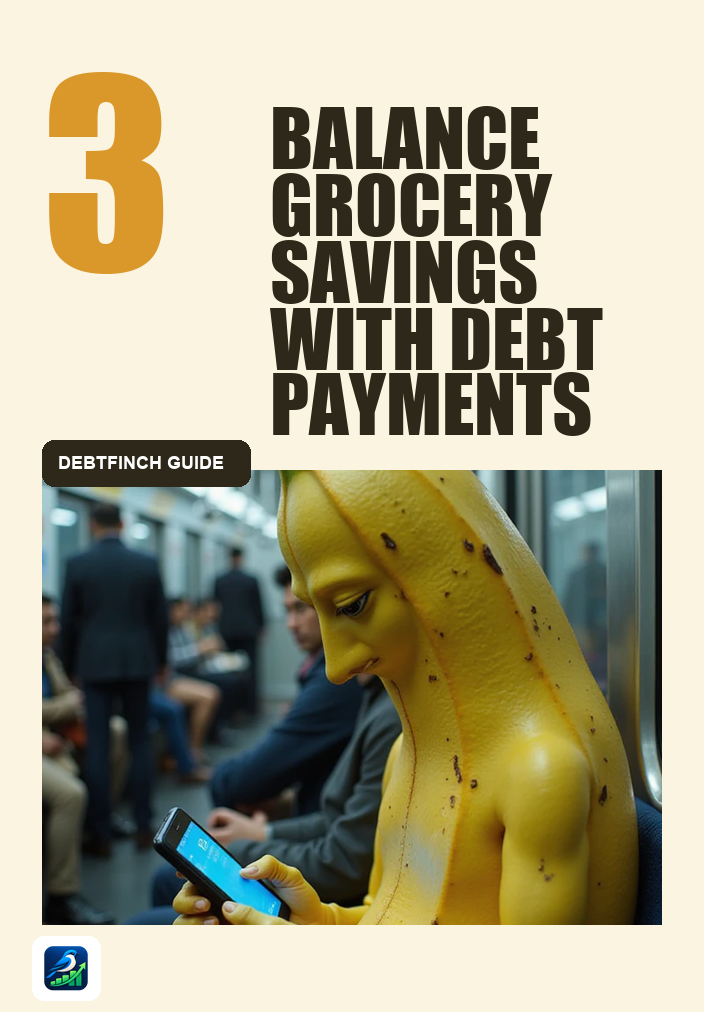
Understanding Grocery Budgeting While Managing Multiple Debts
When juggling multiple debts, managing your grocery budget can feel like an overwhelming challenge. You want to eat healthy and stay within your means while also making progress on your debt repayment. The key is finding a balance between saving on groceries and prioritizing your debt payments. This article will help you navigate that balance with practical advice and actionable steps.
Finding the Balance: Saving on Groceries vs. Paying Off Debt
Before diving into specific budgeting tips, it’s important to recognize that there are trade-offs between saving on groceries and focusing on debt repayment. While you want to keep food costs low, it’s also essential to make consistent payments towards your debts to avoid accumulating interest or penalties.
Here are some considerations:
- Immediate Needs vs. Long-term Goals: Saving on groceries can provide immediate financial relief, allowing you to allocate more funds towards debt. However, neglecting your debt payments may lead to higher costs down the line.
- Quality vs. Cost: Cheaper groceries might save you money now but could affect your health and well-being. A balanced diet is important, especially if you’re managing stress from debt.
- Time Investment: Implementing grocery saving strategies often requires time and effort, which can be a challenge if you’re also managing debt-related tasks.
Effective Grocery Budgeting Strategies
To save on groceries while managing your debts, consider these strategies:
Create a Detailed Grocery Budget
Start by analyzing your current grocery spending. Track your expenses for a month to see where your money goes. Once you have a clearer picture, create a budget that outlines how much you can afford to spend on groceries each week or month.
Meal Planning
Meal planning can significantly reduce grocery costs. By planning your meals for the week, you can:
- Make a shopping list to avoid impulse purchases.
- Use ingredients across multiple meals to minimize waste.
- Incorporate sales and seasonal produce to save money.
Buy in Bulk
When it makes sense, consider buying non-perishable items in bulk. This often reduces the cost per unit and can help you stock up on essentials like rice, pasta, and canned goods.
Use Coupons and Cashback Apps
Coupons can provide significant savings on grocery bills. Additionally, cashback apps reward you for purchases, giving you a little back on what you spend. Just remember to choose coupons for items you already plan to buy to avoid unnecessary spending.
Prioritizing Debt Payments: Strategies to Stay on Track
While it’s important to save on groceries, paying down debt should also be a priority. Here are strategies to help manage your debt effectively:
Understand Your Debt
Begin by listing all your debts, including the amounts owed, interest rates, and minimum monthly payments. This clarity will enable you to prioritize which debts to pay off first. You might consider strategies such as the snowball method (paying off the smallest debts first) or the avalanche method (focusing on the highest interest debts).
Create a Debt Repayment Plan
Once you understand your debts, create a plan that outlines how much you can allocate to each debt monthly. Ensure that your plan is realistic and sustainable, allowing you to meet your grocery budget needs as well.
Consider Debt Consolidation Options
If you’re feeling overwhelmed by multiple payments, debt consolidation might be an option. This involves combining your debts into a single payment, potentially at a lower interest rate. However, weigh the pros and cons carefully:
- Pros: Simplifies payments, may lower interest rates.
- Cons: Could extend repayment terms, may have fees associated, and requires discipline to avoid accruing new debt.
Seek Professional Guidance if Necessary
If managing debt becomes too challenging, consider speaking with a financial advisor or credit counselor. They can provide tailored strategies based on your unique situation and help you navigate your options.
The Trade-offs: Balancing Grocery Budgeting and Debt Management
Ultimately, the decision of how much to allocate towards groceries versus debt repayment is personal. Factors such as your overall financial situation, income stability, and the urgency of your debt repayment will influence your approach. Here are some final considerations:
- Emergency Fund: If you don’t have an emergency fund, it might be wise to save a little more on groceries rather than aggressively paying down debt, as unexpected expenses can arise.
- Flexibility: Allow yourself some flexibility in your budget. If unexpected expenses arise, adjust your grocery spending accordingly to avoid falling behind on debt payments.
- Health Considerations: Don’t sacrifice nutrition for the sake of saving a few dollars; a healthy diet can help you manage stress and stay focused on your financial goals.
Next Steps for Grocery Budgeting and Debt Management
Finding the right balance between grocery budgeting and managing debt requires careful planning and ongoing adjustments. Start by tracking your expenses, creating a detailed grocery budget, and understanding your debt situation. Consider meal planning and using coupons to save on groceries while maintaining a focus on consistent debt repayments. Remember, your financial journey is unique, and adjusting your approach as circumstances change will be key to your success.
Take one step at a time, and don’t hesitate to seek help if you need it. Your path to financial stability is within reach.



















