Understanding the Relationship Between Grocery Spending and Debt Levels
When managing personal finances, it’s common to assume that decreasing debt will lead to higher overall costs, especially in areas like grocery spending. However, the reality is more nuanced. Less debt doesn’t always correlate to increased grocery expenses. Understanding the factors at play can help you make informed choices that benefit your wallet without sacrificing quality or quantity of your food purchases.
The Misconception: Less Debt Equals Higher Costs
The assumption that having less debt automatically means spending more on groceries may arise from the belief that those with high debt levels are forced to budget tightly, opting for cheaper, lower-quality food options. While it’s true that those in financial distress may gravitate toward lower-cost groceries, the relationship isn’t so straightforward.
In fact, individuals who have successfully managed to reduce their debt may have developed better shopping habits, improved budgeting skills, and a clearer understanding of their financial priorities. This can lead to more strategic grocery spending rather than impulse buys and overspending.
Factors Influencing Grocery Spending
Several factors can influence how much you spend on groceries, regardless of your debt situation:
- Shopping Habits: Individuals with reduced debt might have more experience in meal planning, bulk buying, and looking for sales and discounts.
- Food Choices: Healthier food options can sometimes be more expensive, but they also lead to better long-term health outcomes and can reduce medical expenses.
- Family Size: A larger family may require more groceries, which can inflate costs, while a smaller family can often spend less.
- Location: Grocery prices vary by region. Living in an area with higher prices can lead to higher overall spending, regardless of debt levels.
- Income Levels: Those with fluctuating incomes may find their grocery budgets change based on their financial situation, not just their debt.
Strategies for Smart Grocery Spending
Regardless of your debt situation, adopting effective grocery shopping strategies can help you keep costs in check:
1. Meal Planning
Creating a weekly meal plan allows you to shop with purpose. By planning meals around what’s on sale and what you already have at home, you can minimize waste and avoid impulse buys.
2. Create a Shopping List
Stick to a shopping list based on your meal plan. This helps you focus on necessary items and prevents you from purchasing unnecessary products.
3. Buy in Bulk
Items like grains, pasta, and canned goods can often be purchased in bulk at a lower cost per unit. Just make sure to buy items you will actually use before they expire.
4. Use Coupons and Apps
Look for digital coupons or cash-back apps that can help you save money on your grocery bills. Many stores offer rewards programs that can lead to additional savings.
5. Embrace Seasonal and Local Produce
Seasonal fruits and vegetables are often cheaper and fresher. Consider shopping at local farmer’s markets to find great deals.
Debt Reduction and Its Impact on Grocery Shopping
Reducing debt can lead to enhanced financial freedom, which allows for more flexibility in budgeting. However, it’s essential to consider how this newfound freedom impacts your grocery spending:
- Increased Cash Flow: With less money going towards debt payments, you may have more disposable income. This can lead to a more varied grocery list, but also an opportunity to overspend if not managed carefully.
- Better Budgeting: Successfully managing debt often involves creating a budget. This practice can carry over into grocery spending, helping you make better choices.
- Psychological Factors: Reducing debt can alleviate stress, leading to more thoughtful purchasing decisions. However, some may feel tempted to ‘treat’ themselves, which can result in higher spending.
Weighing the Trade-offs
While reducing debt can provide more financial options, it’s crucial to weigh the trade-offs:
- Quality vs. Cost: Higher-quality, healthier food options often come at a premium. It’s important to assess whether the benefits outweigh the costs for your situation.
- Convenience vs. Spend: Pre-packaged meals can save time but typically cost more. Consider whether your time savings justify the expense.
- Debt Management Strategies: If considering debt consolidation or settlement, understand the potential impacts on your credit and overall financial health.
The Bottom Line: Making Informed Grocery Choices
Ultimately, less debt does not inherently lead to higher grocery spending. Instead, it opens the door to better financial management and informed decision-making. By adopting smart shopping strategies and being aware of the various influences on your grocery budget, you can maintain control over your expenses, regardless of your debt levels.
Next Steps: Practical Actions to Consider
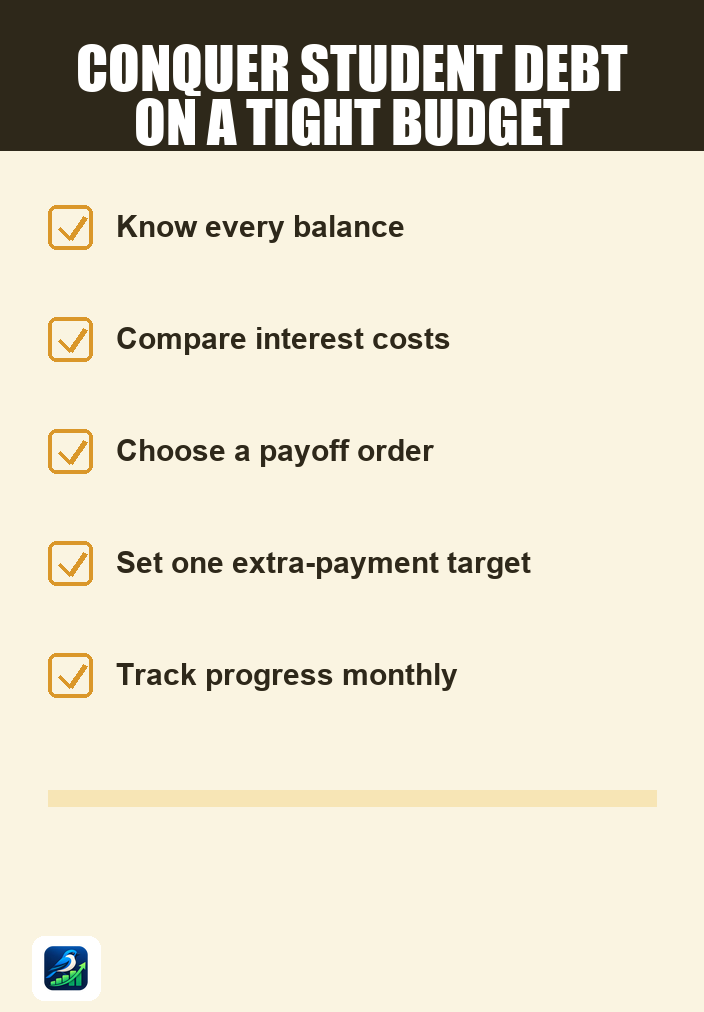
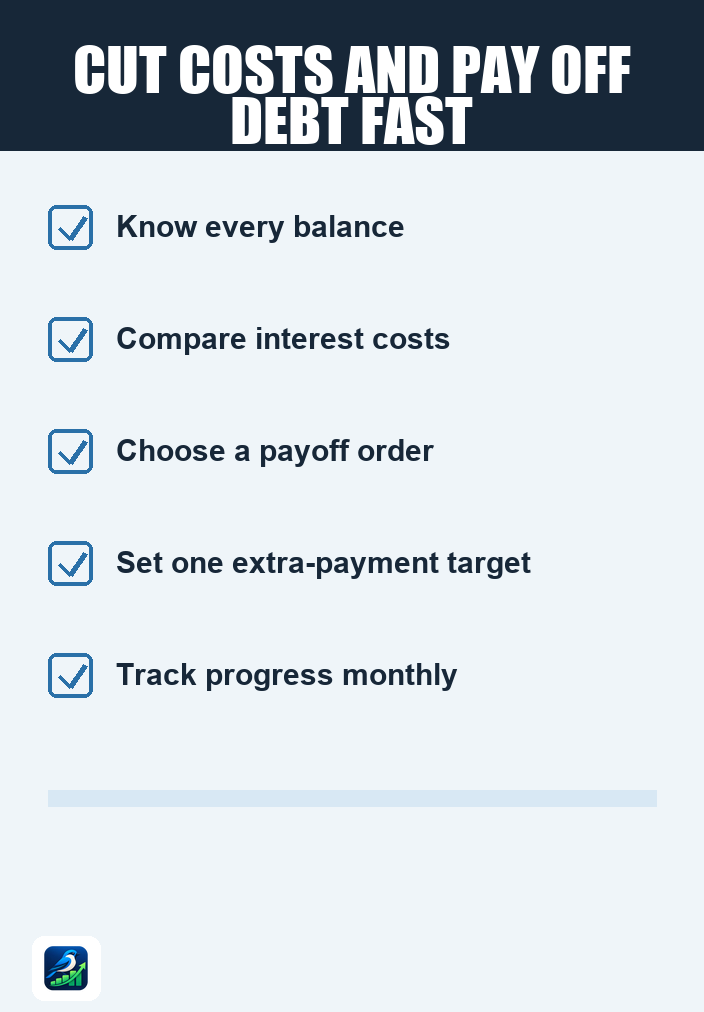
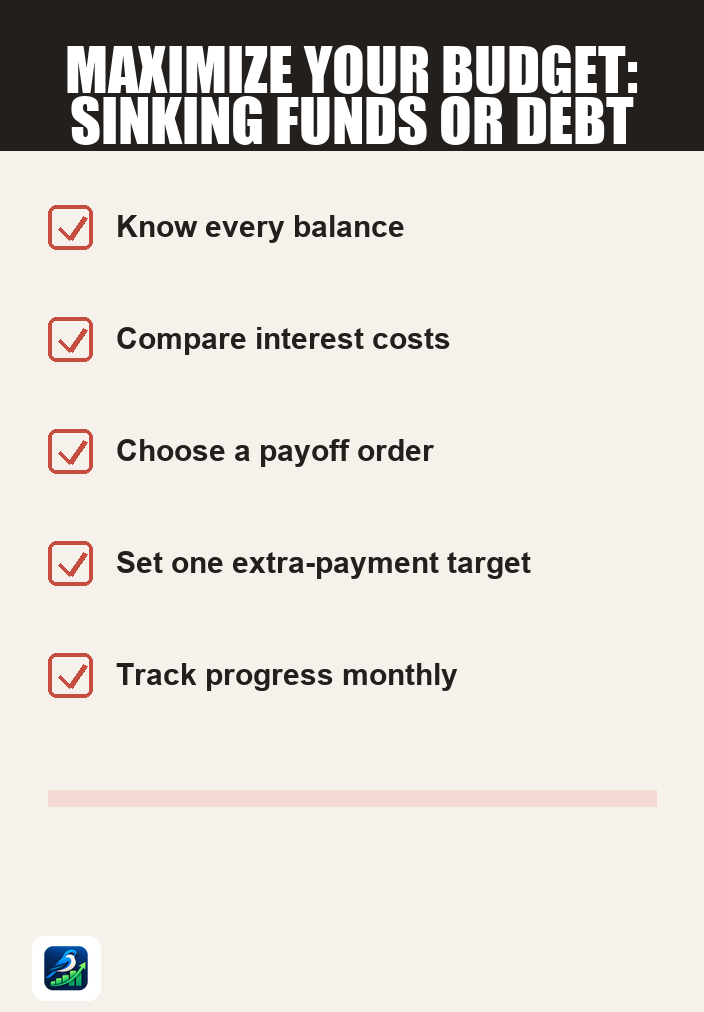
- Assess your current grocery spending habits and identify areas for improvement.
- Create a budget that includes a dedicated grocery allocation.
- Start meal planning and create shopping lists to enhance focus during grocery trips.
- Explore bulk purchasing and local produce options to maximize savings.
- Monitor your financial progress regularly, adjusting your grocery budget as needed.
By taking these steps, you can enjoy a balanced approach to grocery spending that supports your overall financial health while managing debt effectively.