
Understanding Who Benefits from Debt Settlement and How to Choose Wisely
Debt settlement is a strategy that can help individuals struggling with overwhelming consumer debt. It involves negotiating with creditors to reduce the total amount owed, allowing borrowers to pay off their debts for less than what they originally agreed to. While this approach can be beneficial for some, it’s essential to understand who benefits from debt settlement and how to choose wisely if you decide to pursue this option.
Who Can Benefit from Debt Settlement?
Debt settlement may be a suitable option for certain individuals facing financial hardship. Here are some groups that might benefit:
- Individuals with Unmanageable Debt: If your debt exceeds your ability to pay and you are falling behind on payments, debt settlement could provide a way to reduce your obligations.
- People Experiencing Financial Hardship: Those facing job loss, medical emergencies, or other financial crises may find that debt settlement offers a path to relief.
- Those with Multiple Creditors: If you have debts owed to several different creditors, negotiating settlements can simplify your financial situation and reduce the number of accounts you need to manage.
- Individuals with Limited Income: For those on a fixed income, debt settlement can help make debts more manageable.
However, it’s important to remember that debt settlement isn’t the right choice for everyone. It can come with significant risks and drawbacks, which we’ll discuss later in the article.
How Debt Settlement Works
Debt settlement typically involves the following steps:
- Assessment: Evaluate your financial situation, including total debt, income, and expenses.
- Negotiation: Either you or a debt settlement company will negotiate with creditors to lower the total amount owed.
- Payment Plan: Once a settlement is reached, you’ll typically make a lump-sum payment or a series of payments to settle the debt.
- Confirmation: Ensure you receive written confirmation from creditors that your debts have been settled.
Advantages of Debt Settlement
Debt settlement can offer several advantages, including:
- Reduced Debt Amount: One of the main benefits is the possibility of paying less than what you owe.
- Faster Resolution: Settling debts can be quicker than other methods, allowing you to resolve your financial issues sooner.
- Less Stress: Simplifying your debt situation can alleviate the stress associated with multiple creditors and missed payments.
Drawbacks of Debt Settlement
While debt settlement can be beneficial, it also comes with significant drawbacks:
- Credit Score Impact: Settling a debt can negatively affect your credit score, as it indicates you did not pay the full amount owed.
- Tax Consequences: Forgiven debt may be considered taxable income, which could lead to unexpected tax liabilities.
- Potential Legal Action: If you stop making payments to creditors to pursue settlement, they may take legal action against you.
- High Fees: If you choose to work with a debt settlement company, they may charge fees that can add up, sometimes eating into your savings.
Alternatives to Debt Settlement
Before deciding on debt settlement, consider other options that might be more suitable for your situation:
- Debt Consolidation: This involves combining multiple debts into a single loan with potentially lower interest rates. It can simplify payments without the risks associated with settlement.
- Debt Management Plans: Working with a credit counseling agency can help you create a plan to pay off your debts with structured repayment terms.
- Bankruptcy: In some cases, filing for bankruptcy may be a better option for those overwhelmed by debt, providing legal protection and a fresh start.
Choosing a Debt Settlement Company
If you decide to pursue debt settlement, carefully choosing a reputable company is crucial. Here are some tips:
- Research: Look for reviews and ratings from other customers. Check for any complaints with the Better Business Bureau.
- Understand Fees: Make sure you fully understand the fee structure. Avoid companies that require large upfront fees.
- Check Credentials: Ensure the company is licensed and adheres to regulations in your state.
- Ask Questions: Don’t hesitate to ask questions about their process and what you can realistically expect.
Practical Next Steps
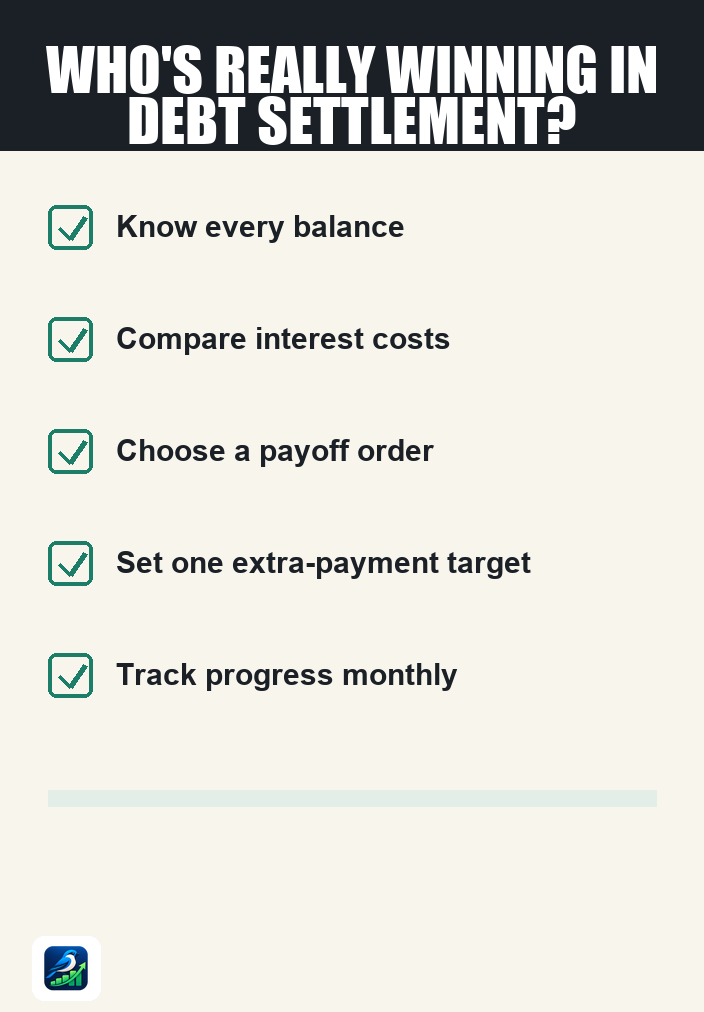
If you’re considering debt settlement, take the following steps:
- Evaluate Your Debt: Assess your financial situation and determine if debt settlement is right for you.
- Explore Alternatives: Research other debt relief options that may be more suitable.
- Consult Professionals: Consider speaking with a financial advisor or credit counselor for personalized guidance.
- Proceed with Caution: If you choose to go ahead with debt settlement, select a reputable company and be prepared for the potential impacts on your credit score.
Debt settlement can be a viable option for some individuals, but it’s essential to weigh the pros and cons carefully before making a decision. By understanding your options and choosing wisely, you can work towards a more manageable financial future.



















