
Understanding Your Credit Card Debt Situation
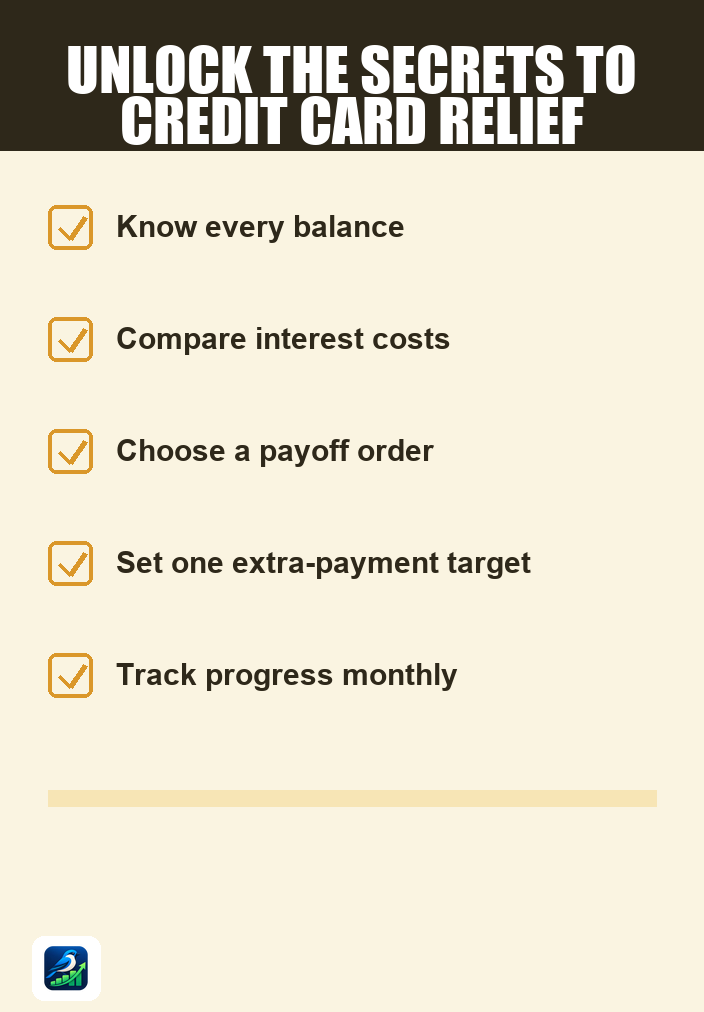
Managing credit card debt on a tight budget can feel overwhelming, but with the right strategies, it’s possible to regain control. The first step is to understand your current financial situation. This means assessing how much you owe, the interest rates on your cards, and your monthly payments.
Gather Your Information
Start by collecting your credit card statements and listing out the following:
- Total balance owed on each card.
- Interest rates associated with each card.
- Minimum monthly payments you are required to make.
By having a clear view of your debt, you can make informed decisions about how to manage it effectively.
Creating a Budget
Once you have an understanding of your debts, the next step is to create a budget. A budget will help you determine how much money you can allocate towards your credit card payments each month.
Track Your Income and Expenses
Begin by tracking your total monthly income. Then, list all of your monthly expenses, separating them into fixed (e.g., rent, utilities) and variable (e.g., groceries, entertainment) categories. This will help you identify areas where you can cut back.
Allocate Funds for Debt Payments
After determining your essential expenses, allocate a portion of your income to debt repayment. Aim to pay more than the minimum payment when possible. This can help you reduce overall interest costs over time.
Prioritizing Payments
With a budget in place, you need to decide how to prioritize your credit card payments. There are two popular methods: the avalanche method and the snowball method.
Avalanche Method
This method focuses on paying off the credit card with the highest interest rate first. Here’s how it works:
- Make minimum payments on all cards.
- Channel any extra funds towards the card with the highest interest rate.
- Once that card is paid off, move to the next highest interest rate card.
This method can save you money on interest in the long run.
Snowball Method
Alternatively, the snowball method focuses on paying off the smallest balance first. This can be motivating for those who prefer quick wins:
- Make minimum payments on all cards.
- Focus any extra funds on the card with the smallest balance.
- After paying off that card, move to the next smallest balance.
While this method may cost more in interest, the psychological benefits of seeing debts eliminated can help maintain motivation.
Exploring Debt Management Options
If you find managing your debt overwhelming, consider exploring debt management options. Each comes with its own set of benefits and drawbacks.
Debt Consolidation
Debt consolidation involves combining multiple credit card debts into a single loan, often with a lower interest rate. This can simplify your payments and potentially reduce your overall interest costs. However, it’s important to consider:
- Fees associated with the consolidation loan.
- Your ability to secure a loan with favorable terms.
- The risk of falling back into debt if you continue to use your credit cards.
Debt Management Plans
A debt management plan (DMP) is typically offered through credit counseling agencies. A DMP allows you to make a single monthly payment to the agency, which then pays your creditors. This can lower your interest rates and monthly payments, but:
- You may need to close your credit cards.
- There could be fees for the service.
- It may affect your credit score initially.
Debt Settlement
Debt settlement involves negotiating with creditors to pay a lump sum that is less than the total amount owed. While this can reduce your debt, it also comes with significant risks:
- Your credit score may suffer.
- Creditors may not agree to settlements.
- There could be tax implications on forgiven debt.
Bankruptcy
As a last resort, bankruptcy may be an option if your debt is insurmountable. This can provide a fresh start, but it comes with serious long-term consequences for your credit and financial future. Consult a bankruptcy attorney to discuss the implications and whether it’s right for you.
Developing Healthy Financial Habits
Managing credit card debt is not just about making payments; it’s also about developing habits that prevent future debt accumulation. Here are some practices to adopt:
- Track your spending: Regularly monitor your expenses to stay within your budget.
- Use cash or debit: Consider using cash or a debit card for everyday purchases to avoid adding to your credit card balances.
- Build an emergency fund: Aim to save a small amount each month to cover unexpected expenses, reducing the need for credit.
- Educate yourself: Continuously learn about personal finance to make informed decisions.
Next Steps
Managing credit card debt on a tight budget requires careful planning and commitment. Start by assessing your debt, creating a budget, and prioritizing your payments. If necessary, consider exploring debt management options while being mindful of their pros and cons. Ultimately, developing healthy financial habits will help you stay on track and avoid falling back into debt.



















