
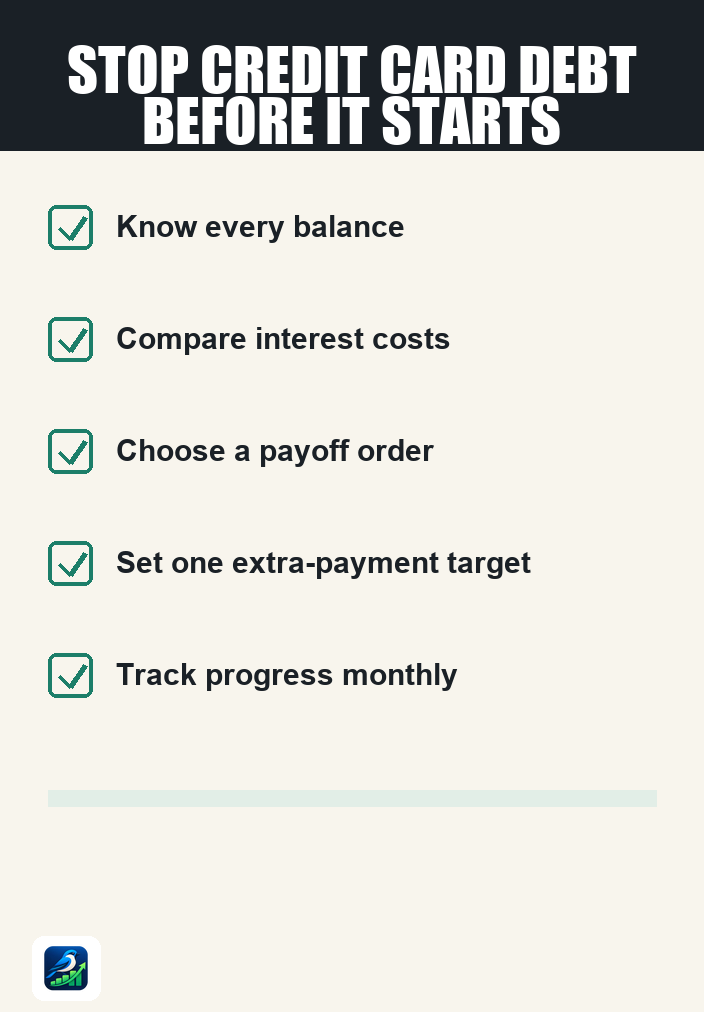
Understanding How to Prevent New Credit Card Debt
When it comes to managing personal finances, preventing new credit card debt is crucial to achieving long-term financial stability. While many people focus on paying off existing debt, it’s equally important to put strategies in place to avoid accumulating more. This guide will provide practical steps you can take to stop new credit card debt before it starts.
Identify Your Spending Triggers
The first step in preventing new credit card debt is understanding what drives your spending habits. Many people fall into patterns that lead to unnecessary expenses. By identifying these triggers, you can develop strategies to avoid them.
Common Spending Triggers
- Emotional Spending: Shopping as a way to cope with stress or sadness.
- Social Influences: Feeling pressured to spend money when with friends or family.
- Convenience: Relying on credit cards for last-minute purchases without planning.
- Sales and Promotions: Being drawn to discounts and sales, even when not needed.
Once you identify these triggers, consider keeping a journal to track your spending. This record will help you see patterns and reinforce accountability.
Create a Realistic Budget
A well-structured budget is a powerful tool for preventing credit card debt. It helps you plan your expenses and ensures you live within your means. Here’s how to create an effective budget:
Steps to Create Your Budget
- List Your Income: Include all sources of income, such as salary, side gigs, or investments.
- Track Your Expenses: Categorize your spending into fixed (rent, utilities) and variable (groceries, entertainment) expenses.
- Set Spending Limits: Allocate specific amounts for each category based on your income and needs.
- Review Regularly: Revisit your budget monthly to adjust for any changes in income or expenses.
A budget not only helps you control spending but also allows you to set aside funds for savings and emergencies, reducing the temptation to rely on credit cards.
Build an Emergency Fund
An emergency fund acts as a financial safety net, allowing you to cover unexpected expenses without resorting to credit cards. Here are some steps to create an emergency fund:
Establishing Your Emergency Fund
- Set a Goal: Aim for three to six months’ worth of living expenses.
- Automate Savings: Set up automatic transfers to a dedicated savings account to build your fund consistently.
- Start Small: If you can’t save a large amount initially, start with smaller, manageable contributions.
Having an emergency fund not only prevents debt but also provides peace of mind and financial security.
Limit Your Credit Card Usage
Another effective strategy is to limit your credit card usage. This doesn’t mean you need to cut up your cards entirely, but controlling how and when you use them can help maintain financial discipline.
Strategies to Limit Credit Card Use
- Use Cash or Debit: Opt for cash or debit cards for everyday purchases to avoid impulse spending.
- Set a Monthly Limit: Decide in advance how much you will allow yourself to spend on your credit card each month.
- Leave Cards at Home: When going out for casual shopping or socializing, consider leaving your credit cards at home.
By making a conscious effort to limit credit card use, you reduce the risk of incurring new debt.
Educate Yourself About Credit
Understanding how credit works can empower you to make better financial decisions. Knowledge about interest rates, fees, and the impact of credit on your finances can help you avoid pitfalls.
Topics to Explore
- Credit Scores: Learn how your credit score is calculated and how it affects your borrowing ability.
- Interest Rates: Understand how interest accrues on unpaid balances and how this can influence your debt levels.
- Responsible Usage: Familiarize yourself with best practices for using credit cards, such as paying off balances in full each month.
The more informed you are, the less likely you are to make decisions that could lead to debt accumulation.
Consider Alternatives to Credit Cards
There are various alternatives to using credit cards for purchases that can help you avoid debt. Exploring these options can provide more financial control.
Alternative Payment Methods
- Prepaid Debit Cards: Load a specific amount onto a card to limit spending effectively.
- Buy Now, Pay Later Services: Use these services judiciously; they can offer flexibility without incurring interest if paid on time.
- Cash Envelopes: Allocate cash for specific spending categories and stick to it.
Using these alternatives can help you manage your spending without falling back on credit cards.
Next Steps to Prevent Credit Card Debt
Taking proactive steps to prevent new credit card debt is essential for financial health. Start by identifying your spending triggers and creating a budget that aligns with your financial goals. Build an emergency fund to cover unexpected expenses, and limit your credit card usage while educating yourself about credit. Finally, explore alternative payment methods to maintain control over your finances.
By implementing these strategies, you can create a solid foundation for financial stability and reduce the likelihood of accumulating new credit card debt.



















