
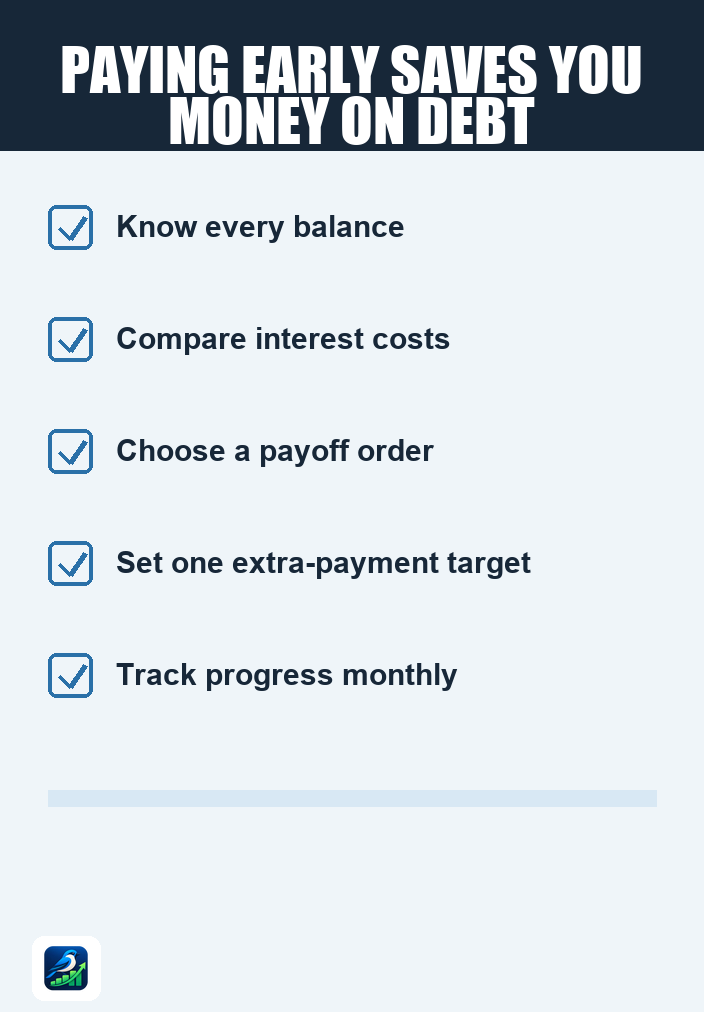
Understanding Late vs. Early Credit Card Payments
When it comes to managing credit card payments, timing can be everything. The key question many face is whether making late payments or paying early costs more in the long run. The answer isn’t straightforward, as various factors come into play, including interest rates, fees, and your overall financial strategy.
The Cost of Late Payments
Late payments can have a significant financial impact on your credit card debt. Here’s a breakdown of the costs associated with late payments:
- Late Fees: Credit card issuers typically charge a late fee if you miss your payment due date. These fees can range from $25 to $40, depending on the issuer and your payment history.
- Increased Interest Rates: A late payment may trigger a penalty APR, which is often significantly higher than your standard rate. This means that your existing balance will accrue interest at a faster rate.
- Credit Score Impact: Late payments can negatively affect your credit score. A single late payment can stay on your credit report for up to seven years, potentially making it harder to obtain loans or credit in the future.
- Potential Loss of Promotional Rates: If you’re benefiting from a promotional interest rate (like 0% APR for a certain period), a late payment can result in losing that offer.
The Advantages of Early Payments
On the flip side, making early payments can offer several benefits, including:
- Reduced Interest Accrual: By paying your balance early, you can lower the amount of interest that accrues. Credit card interest is typically calculated based on your average daily balance, so paying down your balance sooner can result in less interest charged.
- Improved Credit Utilization: Your credit utilization ratio (the amount of credit you are using compared to your total credit limit) is an important factor in your credit score. Paying early can help maintain a lower ratio, positively impacting your credit score.
- Peace of Mind: Paying early can alleviate the stress of worrying about missed payments and can help you stay more organized with your finances.
Comparing Costs: Late Payments vs. Early Payments
To truly understand which option costs you more, let’s consider a hypothetical scenario:
Imagine you have a credit card balance of $1,000 with an APR of 20%. If you miss your payment due date, you might incur a $35 late fee. Additionally, if your account is hit with a penalty APR of 29%, your interest charges for the following month will increase significantly.
If you pay your bill on time, your interest for the month would be:
- Interest = $1,000 x (20% / 12) = $16.67
If you miss the payment and incur the penalty APR, your interest for the next month could be:
- Interest = $1,000 x (29% / 12) = $24.17
- Plus the late fee of $35, making your total cost for that month $59.17.
In this example, missing a payment costs you significantly more than paying early. Additionally, if the late payment affects your credit score, the long-term financial implications could be even more severe.
Finding a Balance: Strategies for Managing Payments
To mitigate the costs associated with credit card payments, consider implementing the following strategies:
- Set Up Automatic Payments: Automating your minimum payments can help ensure you never miss a due date, thus avoiding late fees and penalties.
- Pay More Than the Minimum: If possible, try to pay more than the minimum payment each month to reduce your balance quicker and save on interest.
- Use Alerts and Reminders: Set up reminders on your phone or through your bank to notify you a few days before your payment is due.
- Consider Payment Timing: If you receive your paycheck bi-weekly, consider making payments after each paycheck. This can help you manage cash flow and pay down debt faster.
When to Seek Help
If you’re struggling to manage credit card payments, various options are available, including:
- Debt Management Plans: These plans involve working with a credit counselor to create a budget and repayment plan.
- Debt Consolidation: This involves combining multiple debts into a single loan, often with a lower interest rate, but it requires careful consideration of fees and terms.
- Debt Settlement: Involves negotiating with creditors to reduce the total amount owed, but it can negatively impact your credit score.
- Bankruptcy: This is a legal process that can provide relief but has long-term consequences on your credit and financial future.
Before choosing a debt relief option, it’s crucial to understand the rules and potential consequences, as they vary by situation. Consulting with a financial advisor or a credit counselor may provide valuable insights.
Practical Next Steps
To ensure you’re managing your credit card payments effectively:
- Review your current credit card terms to understand the fees and penalties.
- Evaluate your budget to determine how much you can afford to pay each month.
- Consider setting up automatic payments to avoid late fees.
- Seek professional guidance if your debt feels overwhelming.
In summary, late credit card payments can lead to significant financial repercussions, while early payments can save you money and help maintain a healthy credit profile. By understanding the costs associated with each option and implementing practical strategies, you can take control of your credit card debt.



















