
Understanding Late Credit Card Payments and Multiple Debts
If you’re juggling multiple credit card debts and struggling with late payments, you might think that your financial situation is hopeless. However, there are ways to approach multiple debts that could potentially save you money in the long run. This article will explore the dynamics of late credit card payments and how managing multiple debts can sometimes work in your favor.
Why Late Payments Matter
Late credit card payments can have several consequences, including increased interest rates, late fees, and a negative impact on your credit score. These penalties can add up quickly, making it even harder to get back on track. However, understanding the implications of these late payments is crucial for developing a strategy for managing your debts.
The Ripple Effect of Late Payments
- Higher Interest Rates: Many credit cards have terms that increase your interest rate after a late payment. This can make your existing debts more expensive.
- Late Fees: Each late payment often incurs a fee, contributing to your overall debt burden.
- Credit Score Impact: A drop in your credit score can affect your ability to secure loans or favorable interest rates in the future.
Understanding these factors can help you better navigate your financial situation and formulate a plan for improvement.
How Multiple Debts Can Actually Save You Money
At first glance, having multiple debts might seem like a burden. However, there are strategic ways to manage these debts that could result in savings. Here are some options to consider:
Debt Consolidation
One popular method is debt consolidation, which involves taking out a new loan to pay off multiple smaller debts. This can simplify repayments and potentially lower your overall interest rate. For example, if you have three credit cards with high interest rates, consolidating these into a single loan with a lower rate can reduce your monthly payments.
Balance Transfers
Another option is a balance transfer, where you move your existing credit card balances to a new card that offers a 0% introductory APR for a limited time. This gives you a window to pay down your debt without accruing high interest. However, be mindful of any balance transfer fees and ensure you can pay off the balance before the promotional period ends.
Debt Management Plans
Working with a credit counseling service can also help. They can create a debt management plan (DMP) for you, negotiating lower interest rates and fees with your creditors. This could lead to lower monthly payments and a clearer path to debt repayment.
Negotiating with Creditors
Sometimes, simply reaching out to your creditors can yield positive results. They may be willing to work with you by offering a payment plan or even reducing your interest rates due to your circumstances. This is especially true if you can demonstrate a genuine effort to pay off your debts.
Evaluating Your Options
Before jumping into any debt management strategy, it’s important to evaluate your options thoroughly. Consider the following:
- Fees: Understand any associated fees with consolidation or balance transfers. These can eat into your potential savings.
- Impact on Credit Score: Some options may negatively impact your credit score initially. Be sure to weigh these consequences.
- Long-Term Financial Goals: Think about how each option aligns with your long-term financial goals. Are you aiming for a quick fix, or do you want a sustainable solution?
Meaningful Drawbacks to Consider
While managing multiple debts can lead to savings, there are meaningful drawbacks to each option:
Debt Consolidation Risks
- New Debt: If you consolidate and then continue to accrue debt on your old cards, you could end up in a worse situation.
- Loan Terms: Make sure you understand the terms of the new loan, including any penalties for late payments.
Balance Transfer Pitfalls
- Temporary Solution: The 0% APR typically lasts for a limited time; be sure to pay down the balance before that period ends.
- Fees: Balance transfer fees can add up, so calculate whether the transfer is worth it.
Debt Management Plans Drawbacks
- Time Commitment: DMPs often take several years to complete, which might not be ideal for everyone.
- Impact on Future Credit: Enrolling in a DMP could affect your ability to get new credit during the repayment period.
Negotiation Limitations
- Uncertain Outcomes: Not all creditors will be willing to negotiate, and you may not get the terms you hope for.
- Potential for Frustration: Negotiating can take time and effort, and it may not yield immediate results.
Next Steps: Take Control of Your Financial Future
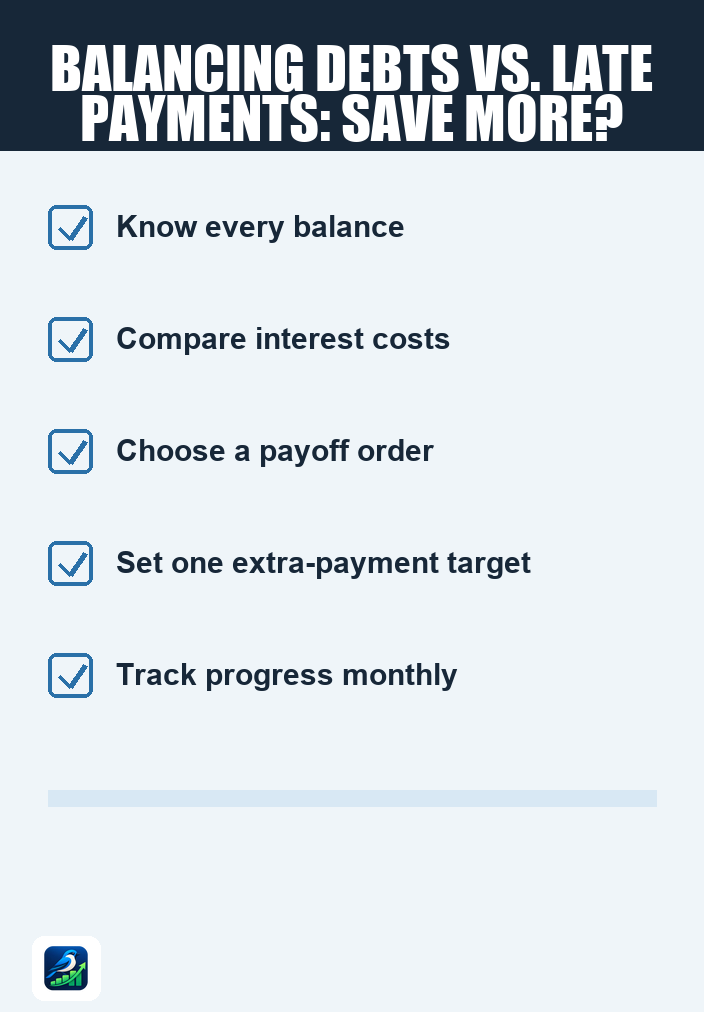
Managing multiple debts and late credit card payments can be challenging, but it’s not insurmountable. Here are some practical steps to take control of your financial future:
- Assess Your Debts: List all your debts, including interest rates and minimum payments.
- Research Your Options: Look into consolidation, balance transfers, or other debt management strategies.
- Consult Professionals: If needed, consider speaking with a credit counselor to explore the best path for your situation.
- Communicate with Creditors: Don’t hesitate to reach out and discuss your options with your creditors.
Remember, while multiple debts can feel overwhelming, approaching them strategically can lead to opportunities for savings and financial relief.



















