
Understanding Balance Transfers: A Path to Effective Credit Management
When it comes to managing credit card debt, balance transfers can be a useful tool. A balance transfer involves moving debt from one credit card to another, typically to benefit from lower interest rates. However, understanding the nuances of this strategy is essential to navigate it effectively. In this article, we will explore the various aspects of balance transfers, their benefits, potential drawbacks, and practical steps to consider before making a decision.
The Basics of Balance Transfers
At its core, a balance transfer allows you to shift your outstanding credit card debt to another card, often one that offers a promotional interest rate. This can be particularly appealing if you’re trying to manage high-interest debt. The goal is to save on interest payments and pay off your debt more quickly.
Evaluating Your Current Debt Situation
Before initiating a balance transfer, it’s crucial to evaluate your existing debts. Here are some steps to help you assess your situation:
- List Your Debts: Write down all your current debts, including credit card balances, interest rates, and minimum monthly payments.
- Calculate Your Total Debt: Add up your total outstanding balance to understand the extent of your debt.
- Review Interest Rates: Check the interest rates on your current credit cards. Identify which cards have the highest rates and would benefit most from a balance transfer.
Benefits of Balance Transfers
Balance transfers can offer several benefits, including:
- Lower Interest Rates: Many credit cards offer promotional rates, sometimes as low as 0% for a limited time. This can significantly reduce the amount of interest you pay, allowing more of your payments to go toward the principal.
- Consolidation of Debt: Transferring multiple balances to one card can simplify your monthly payments, making it easier to manage your finances.
- Potential for Faster Repayment: With lower interest accruing, you may be able to pay down your debt more quickly, provided you stick to a repayment plan.
Potential Drawbacks to Consider
While balance transfers can be beneficial, there are also potential drawbacks that you should weigh before proceeding:
- Transfer Fees: Many credit cards charge a balance transfer fee, which is typically a percentage of the amount transferred. This fee can offset some of the savings from the lower interest rate.
- Promotional Period Limitations: The low or 0% interest rate is often temporary, usually lasting 6 to 18 months. After this period, the interest rate can jump significantly.
- Impact on Credit Score: Opening a new credit card can impact your credit score due to a hard inquiry. Additionally, utilizing a significant portion of your available credit can lower your score.
- Risk of Accumulating More Debt: If you’re not disciplined, you may end up accumulating more debt on the old card or the new one, negating the benefits of the transfer.
Making an Informed Decision
Before you proceed with a balance transfer, consider these factors:
- Read the Fine Print: Understand the terms of the balance transfer offer, including the duration of the promotional rate, fees, and the rate that will apply once the promotional period ends.
- Calculate Potential Savings: Compare the total cost of staying with your current card versus transferring to a new one, factoring in fees and the duration of the promotional rate.
- Create a Repayment Plan: Set a realistic timeline for paying off the transferred balance within the promotional period to maximize your savings.
Alternatives to Balance Transfers
If a balance transfer doesn’t seem like the right fit, consider these alternatives:
- Debt Consolidation Loans: A personal loan can be used to pay off multiple credit card debts, consolidating them into one loan with a fixed interest rate.
- Debt Management Plans: Working with a credit counseling agency can help you create a plan to pay off your debts over time, potentially reducing interest rates through negotiation.
- DIY Budgeting: Creating a budget and sticking to it can help you manage payments and reduce debt over time without the need for transfers.
Next Steps for Effective Credit Management
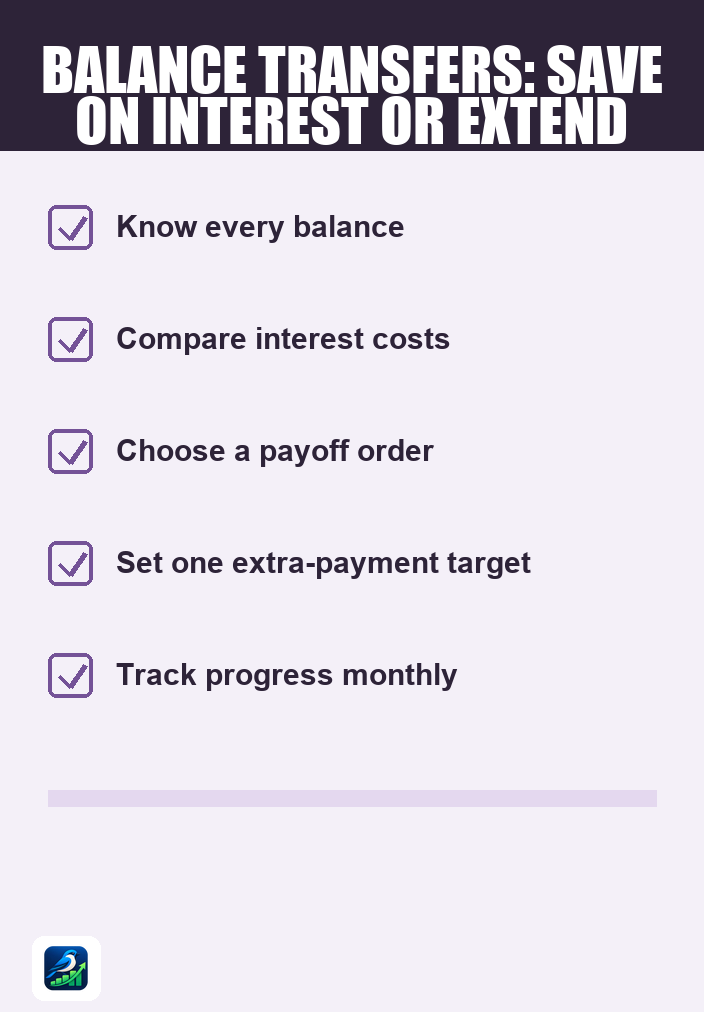
Navigating balance transfers requires careful consideration and planning. Here are some practical next steps:
- Assess Your Financial Health: Take a thorough look at your current debts and financial situation.
- Research Options: Investigate different credit cards offering balance transfer promotions and compare their terms.
- Create a Repayment Strategy: Outline a clear plan to pay off your debt during the promotional period.
- Monitor Your Progress: Regularly review your financial situation and adjust your plan as necessary.
By taking the time to understand your options and weigh the pros and cons, you can make informed decisions about balance transfers that align with your financial goals. Remember, it’s important to approach credit management with a clear strategy and an understanding of the potential risks involved.



















