
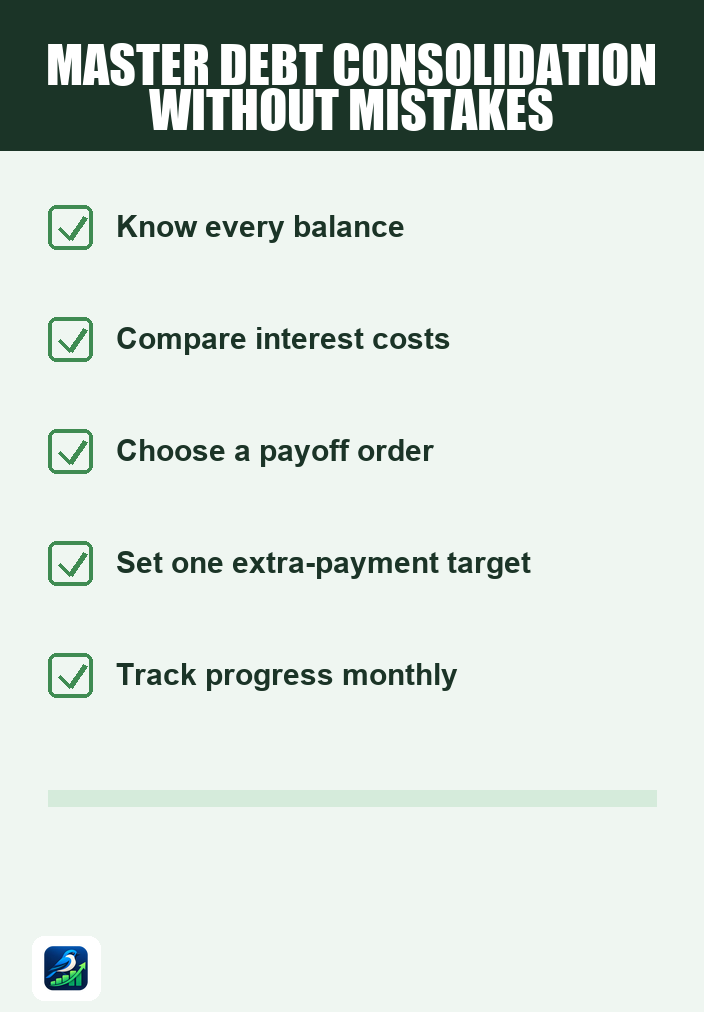
Understanding Debt Consolidation Missteps
When considering debt consolidation, it’s easy to fall into common traps that can hinder your financial recovery. Before diving into any decisions, it’s crucial to understand the potential pitfalls and how to navigate them effectively. This article will outline those missteps and offer practical advice for overcoming them.
Misstep #1: Not Understanding Your Debt Types
One of the first mistakes many people make is failing to recognize the different types of debt they hold. Not all debts are created equal. For instance, secured debts like mortgages or auto loans are tied to physical assets, while unsecured debts like credit cards or personal loans are not. This distinction is vital when considering consolidation options.
Why It Matters
Understanding your debt types helps you choose the right consolidation method. For example, if most of your debt is unsecured, you might consider a personal loan for consolidation. If you have secured debts, a home equity line of credit (HELOC) might be more suitable. However, be cautious; using your home as collateral can lead to more severe consequences if you fail to repay.
Misstep #2: Ignoring Credit Implications
Many individuals overlook the impact of consolidation on their credit scores. While consolidating debt can sometimes help improve scores in the long run, the immediate effects can vary greatly.
Understanding the Credit Score Effects
Applying for a consolidation loan may result in a hard inquiry on your credit report, potentially lowering your score temporarily. Additionally, if you pay off credit cards with a new loan but close those accounts, you could be impacting your credit utilization ratio—a key factor in your credit score.
- Keep old accounts open to maintain a longer credit history.
- Monitor your credit score regularly to understand how changes affect it.
Misstep #3: Overlooking Fees and Costs
Another common error is failing to account for the fees associated with debt consolidation. While the goal may be to simplify payments and lower interest rates, hidden fees can quickly negate any perceived benefits.
What to Watch For
When evaluating consolidation options, consider:
- Loan origination fees
- Balance transfer fees on credit cards
- Annual fees for certain financial products
- Potential penalties for early repayment
Always read the fine print and calculate the total cost of consolidation, not just the monthly payment.
Misstep #4: Rushing into a Decision
In the stress of managing debt, it’s tempting to act quickly. However, rushing into a consolidation decision can lead to regrettable outcomes. Take your time to assess all options thoroughly.
Steps to Take Before Committing
- List out all your debts, including interest rates and monthly payments.
- Research various consolidation methods, including personal loans, balance transfers, and debt management plans.
- Consult with a financial advisor or credit counselor to explore the best option for your situation.
By taking the time to explore all avenues, you can make a more informed decision.
Misstep #5: Neglecting a Repayment Plan
Once you’ve consolidated your debt, it’s crucial to have a solid repayment plan in place. Many individuals assume that consolidation will automatically lead to debt freedom, but without a clear strategy, you may find yourself in a similar situation down the road.
Creating a Sustainable Repayment Plan
Consider the following when developing your plan:
- Set a realistic monthly budget that includes your new consolidated payment.
- Avoid accumulating new debt while focusing on repayment.
- Consider using the snowball or avalanche method for additional payments towards your debt.
Misstep #6: Ignoring Alternative Solutions
Debt consolidation is not the only option for managing debt. It’s essential to explore other avenues, such as debt management plans, debt settlement, or even bankruptcy, depending on your situation.
Evaluating Your Options
Before deciding on consolidation, weigh the pros and cons of each option:
- Debt Management Plans: These involve working with a credit counseling agency to negotiate lower interest rates and payments.
- Debt Settlement: This method involves negotiating with creditors to settle debts for less than what you owe, which can negatively impact your credit score.
- Bankruptcy: While a last resort, bankruptcy can provide a fresh start, but it has long-lasting effects on your credit.
Consulting with a financial professional can help clarify which path may be the best fit for you.
Next Steps: Preparing for Consolidation
Before jumping into debt consolidation, take a moment to reflect on your financial situation. Here are some practical next steps:
- Assess your total debt and categorize it by type.
- Research various consolidation options, weighing the pros and cons of each.
- Consider consulting with a financial advisor to get tailored insights.
- Develop a realistic repayment plan that aligns with your budget.
By avoiding common missteps and taking a thoughtful approach, you can navigate the debt consolidation process more effectively and set yourself on a path toward financial stability.



















