
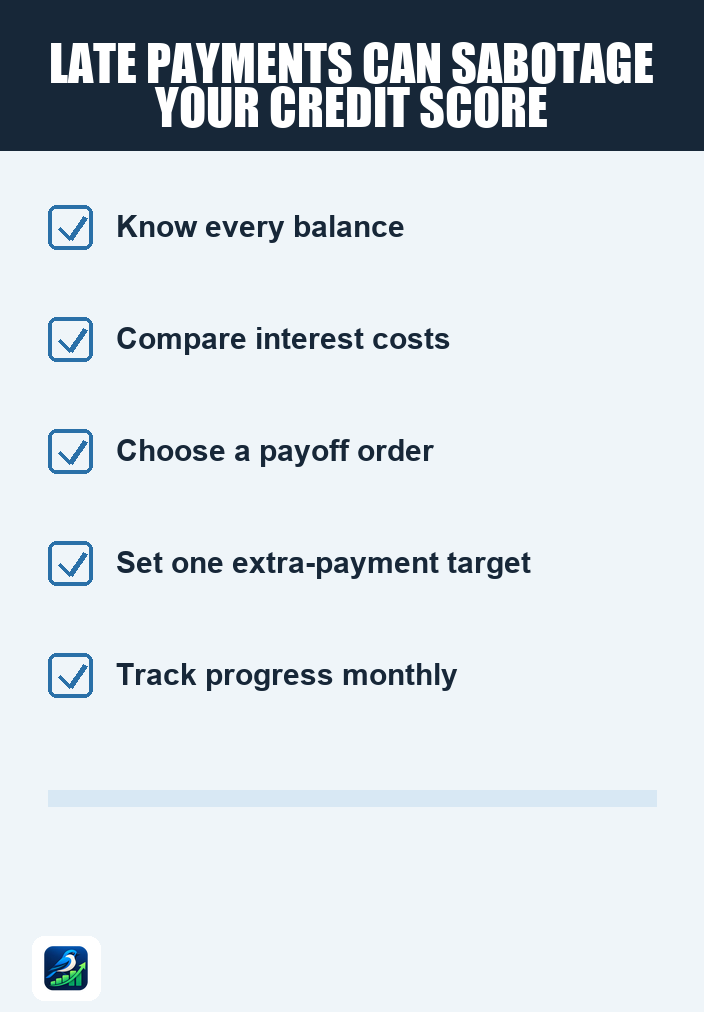
Understanding the Impact of Late Payments on Your Credit Report
Late payments can have a significant impact on your credit report and, by extension, your overall financial health. If you’ve ever wondered how a missed or delayed payment can change the landscape of your credit score, you’re not alone. Understanding the nuances of late payments is crucial for anyone trying to manage their debt effectively.
How Late Payments Affect Your Credit Score
At its core, your credit score is a numerical representation of your creditworthiness. Late payments can negatively impact this score in a few key ways:
- Payment History: This is the most significant factor affecting your credit score, accounting for approximately 35% of your overall score. A single late payment can drop your score significantly, particularly if your payment history was previously impeccable.
- Severity of the Late Payment: Not all late payments are treated equally. Payments that are 30 days late may have a smaller impact than those that are 60 or 90 days late. The longer you wait to make a payment, the more severe the consequences.
- Frequency of Late Payments: Multiple late payments can compound the damage to your credit score. If creditors see a pattern of late payments, they may perceive you as a higher risk.
Timeframe for Impact on Your Credit Report
When you miss a payment, the creditor typically reports it to the credit bureaus after it is 30 days overdue. Once reported, it can stay on your credit report for up to seven years, gradually impacting your score less as time goes on. Here’s a general breakdown of how long late payments might affect your credit:
- 30 Days Late: May have an immediate but moderate impact.
- 60 Days Late: More severe impact; your score may drop further.
- 90 Days Late: Significant damage; this can be a major red flag for lenders.
After seven years, the late payment should automatically fall off your credit report, but it’s essential to manage your payments responsibly to avoid future issues.
Consequences Beyond Your Credit Score
The implications of late payments extend beyond just numbers on a report; they can affect various aspects of your financial life:
- Loan Approval: A low credit score may hinder your chances of securing loans or credit cards, and if you are approved, you may face higher interest rates.
- Insurance Premiums: Some insurance companies consider your credit score when calculating premiums. A poor score may lead to higher rates.
- Rental Applications: Landlords may check your credit report, and a history of late payments could affect your chances of securing a rental property.
Options for Managing Late Payments
If you find yourself in a situation where you’ve made a late payment, there are several steps you can take to mitigate the damage:
1. Make the Payment ASAP
As soon as you realize you’ve missed a payment, pay it off if you can. While this won’t erase the late payment from your report, it can prevent further late fees and additional negative reporting.
2. Contact Your Creditor
Sometimes, creditors may be willing to work with you. If you have a good payment history and explain your circumstances, they might offer leniency or even remove the late payment from your record.
3. Set Up Payment Reminders
To avoid future late payments, consider setting up reminders on your phone or calendar. Many financial institutions also offer automatic payment features, which can help ensure bills are paid on time.
4. Monitor Your Credit Report
Regularly check your credit report to ensure that all information is accurate. If you find errors, dispute them promptly.
Understanding Debt Relief Options
If late payments have contributed to a cycle of debt, you may want to consider various debt relief options. It’s essential to understand the differences:
- Debt Consolidation: Involves combining multiple debts into a single loan, often with a lower interest rate. This can simplify payments but may require a good credit score.
- Debt Management: Working with a credit counseling agency to create a plan to pay off debts. This may involve negotiating lower interest rates but can take time and commitment.
- Debt Settlement: Involves negotiating with creditors to settle for less than what you owe. This can impact your credit negatively, as it may involve missed payments.
- Bankruptcy: A legal process that can discharge debts but has a severe impact on your credit for years. It should be considered as a last resort.
Each of these options has its trade-offs, and it’s crucial to assess your situation carefully. Consulting with a financial advisor or a credit counselor can provide tailored guidance.
Next Steps for Moving Forward
Dealing with late payments can be stressful, but understanding their impact is the first step toward recovery. Here are some practical next steps you can take:
- Review your credit report for any late payments and understand their impact.
- Communicate proactively with creditors to manage your accounts.
- Implement strategies to ensure timely payments in the future.
- Consider exploring debt relief options if you’re feeling overwhelmed.
Taking these steps seriously can help you regain control of your financial future and improve your credit health over time.



















