
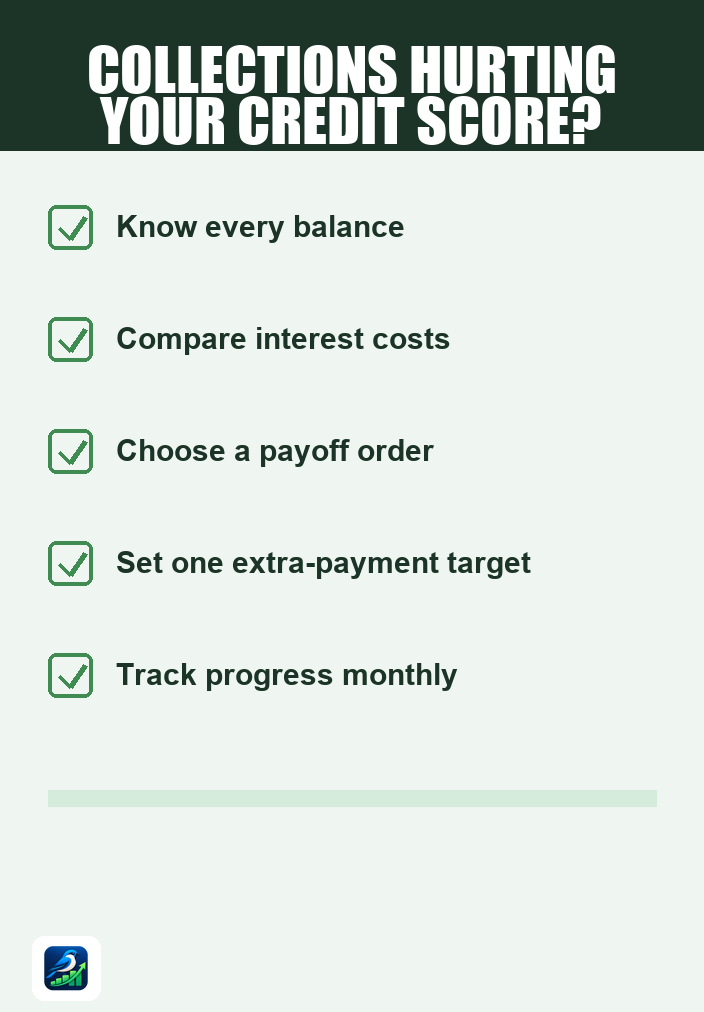
Understanding the Impact of Collections on Your Credit Report
Having collections on your credit report can feel overwhelming. They often appear after you’ve missed payments on debts, and they can significantly impact your credit score. Understanding how these collections affect your credit report and what you can do about them is crucial for your financial health.
Initial Steps to Address Collections
The first step is to obtain a copy of your credit report. You are entitled to one free report annually from each of the major credit bureaus. Review it carefully to identify any collections listed. Make sure the information is accurate, including the amount owed and the original creditor.
Verify the Debt
Before taking any action, confirm that the debt is valid. If it’s a legitimate collection, you may want to communicate with the creditor or collection agency. Request documentation that verifies the debt is yours. If the collection agency cannot provide this, you might have grounds to dispute it.
Strategies to Manage Collections
Once you have verified the debt, you have several options to manage collections. Each option has its own set of trade-offs, so consider your situation carefully.
Paying Off the Debt
If you have the financial ability to pay off the debt, this can be the most straightforward solution. Paying the collection in full may not immediately remove it from your credit report, but it will mark the account as “paid.” This can be looked upon more favorably by future lenders.
Negotiating a Settlement
Negotiating a settlement with the collection agency is another option. This involves offering a lower amount than what you owe in exchange for them marking the debt as settled. Keep in mind that settling a debt may still have a negative impact on your credit score, but it could be less severe than having an outstanding collection.
Setting Up a Payment Plan
If you can’t afford to pay the debt all at once, consider setting up a payment plan. Contact the collection agency to propose a monthly payment amount that you can manage. Ensure you get any agreement in writing to avoid misunderstandings later.
Disputing the Collection
If you believe the debt is inaccurate or not yours, you can dispute it with the credit bureau. They are required to investigate disputes, usually within 30 days. If they find the information is incorrect, they will remove it from your credit report. Keep in mind that disputes can take time and may not always lead to a favorable outcome.
Understanding the Different Debt Management Options
When dealing with collections, it’s important to understand the broader landscape of debt management options.
Debt Consolidation
This involves taking out a new loan to pay off multiple debts, including collections. While this can simplify your payments, it may not necessarily improve your credit score, especially if you have collections still listed on your report.
Debt Management Plans
These plans often involve working with a credit counseling agency to create a strategy for paying back debts. While this can help you manage payments, it may take a while to see improvements on your credit report.
Debt Settlement
Debt settlement is when you negotiate with creditors to pay less than what you owe. While this can lead to lower payments, it’s essential to remember that settling debts can negatively impact your credit score. It’s not the right choice for everyone, and you should assess your financial situation thoroughly.
Bankruptcy
As a last resort, bankruptcy can eliminate certain debts, including collections. While it can provide relief, it has long-term consequences on your credit report and should be considered only after exploring other options.
Monitoring Your Credit Report
After taking steps to address collections, keep an eye on your credit report. Regularly checking your report can help you track changes and ensure that any agreements, settlements, or disputes are accurately reflected. This is also a good time to work on improving your credit score through responsible credit behavior, like making timely payments and reducing overall debt.
Next Steps
Addressing collections on your credit report can be challenging, but taking proactive steps can lead to improvement. Start by verifying any debts listed, then explore your options for managing them. Consider setting up a payment plan, negotiating a settlement, or disputing inaccuracies. As you work through these steps, continue to monitor your credit report and practice responsible financial habits.
Remember, the path to recovery may take time, but each step you take can lead to a healthier financial future.



















