
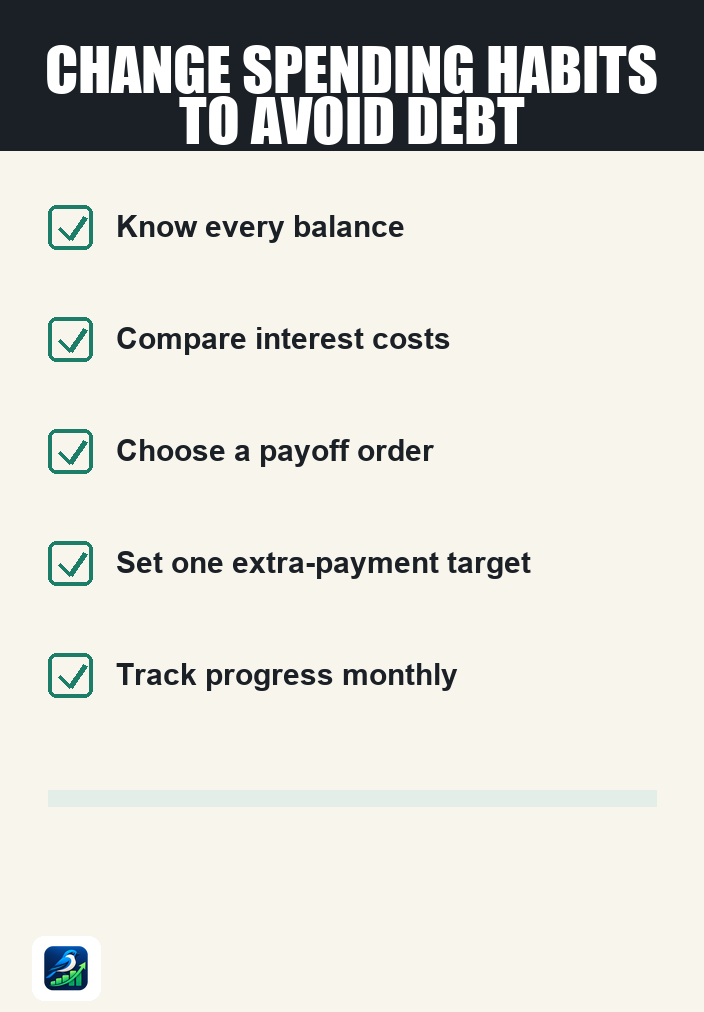
Understanding the Link Between Spending Habits and Credit Card Debt
In today’s consumer-driven society, credit cards have become a common tool for managing expenses. However, they can also lead to overwhelming debt if not used wisely. Staying debt-free starts with rethinking how we use our credit cards and aligning our spending habits accordingly. In this article, we’ll explore the relationship between spending habits and credit card debt, and provide actionable strategies for maintaining a debt-free lifestyle.
Recognizing Your Spending Triggers
The first step towards responsible credit card use is understanding what drives your spending. Many people find themselves using credit cards to cope with emotions, celebrate events, or simply out of habit. Identifying these triggers can help you develop healthier spending habits.
Common Spending Triggers
- Emotional Spending: Using shopping as a way to cope with stress, anxiety, or sadness.
- Social Pressure: Feeling the need to keep up with friends or family who may have more disposable income.
- Impulse Buying: Making unplanned purchases without considering the long-term consequences.
- Sales and Promotions: Being drawn to discounts or promotions that encourage buying things you don’t need.
Establishing a Budget that Aligns with Your Goals
Creating a budget is essential for making informed spending decisions. A well-structured budget allows you to track your income and expenses, ensuring that you stay within your means. Here’s how to establish a budget that promotes responsible credit card use:
Steps to Create a Practical Budget
- Assess Your Income: Calculate your total monthly income from all sources.
- List Your Expenses: Categorize and list your fixed and variable expenses, including rent, utilities, groceries, and entertainment.
- Set Spending Limits: Allocate specific amounts for each category, ensuring that you account for both necessities and discretionary spending.
- Monitor and Adjust: Regularly review your spending against your budget and adjust as necessary. This can help you identify areas where you may be overspending.
Choosing the Right Credit Card for Your Lifestyle
Not all credit cards are created equal. Understanding the features and terms of different credit cards can help you choose one that aligns with your financial goals:
Criteria for Selecting a Credit Card
- No Annual Fee: Look for cards that do not charge an annual fee, which can add unnecessary costs.
- Low Interest Rate: If you carry a balance, a lower interest rate can save you money in the long run.
- Rewards Programs: Choose cards that offer rewards that suit your spending habits, whether it’s cashback, travel points, or discounts on purchases.
- Clear Terms: Ensure you understand the terms and conditions, including fees for late payments or cash advances.
Practicing Mindful Spending
Mindful spending involves being intentional about your purchases and considering their necessity. Here are some strategies to help you practice mindful spending:
Techniques for Mindful Spending
- Wait Before Buying: Implement a waiting period for non-essential purchases. This can help you determine if the item is really necessary.
- Use Cash for Small Purchases: Consider using cash for everyday expenses to limit credit card use and reduce temptation.
- Reflect on Past Purchases: Regularly assess your previous purchases to identify patterns and learn from any mistakes.
- Create a Wishlist: Keep a list of items you want to buy, and periodically review it to see if you still desire those items.
The Importance of an Emergency Fund
One of the most effective ways to avoid credit card debt is to be prepared for unexpected expenses. An emergency fund acts as a financial safety net, allowing you to handle unforeseen costs without relying on credit cards.
Building an Emergency Fund
- Set a Savings Goal: Aim to save at least three to six months’ worth of living expenses.
- Automate Savings: Set up automatic transfers to a dedicated savings account to make saving easier.
- Prioritize Contributions: Treat your emergency fund contributions as a non-negotiable expense in your budget.
Understanding Debt Relief Options
If you find yourself struggling with credit card debt despite your best efforts, it’s essential to understand your options. Here are some common routes people take:
Debt Management Strategies
- Debt Consolidation: This involves combining multiple debts into a single loan, often with a lower interest rate. However, it requires discipline to avoid accumulating new debt.
- Debt Management Plans: These plans, often arranged with the help of a credit counseling agency, involve negotiating lower interest rates and making structured payments.
- Debt Settlement: This strategy involves negotiating with creditors to pay a lump sum that is less than the total owed. While it can reduce debt, it may have a negative impact on your credit score.
- Bankruptcy: This is a legal process that can help individuals eliminate or repay debts under the protection of the bankruptcy court. It’s a serious decision that can have long-lasting implications and should be considered as a last resort.
Each of these options has its advantages and drawbacks. It’s crucial to evaluate your specific situation and consider seeking professional guidance before making decisions that could impact your financial future.
Next Steps for Staying Debt-Free
Staying debt-free is a continuous process that requires mindful habits and planning. Begin by assessing your spending triggers, creating a budget, and practicing mindful spending. Consider building an emergency fund to prepare for unexpected expenses. If you find yourself in debt, take the time to explore your options and consult with a professional if needed.
By rethinking how you use credit cards and adopting healthier spending habits, you can take control of your finances and pave the way towards a debt-free future.



















