
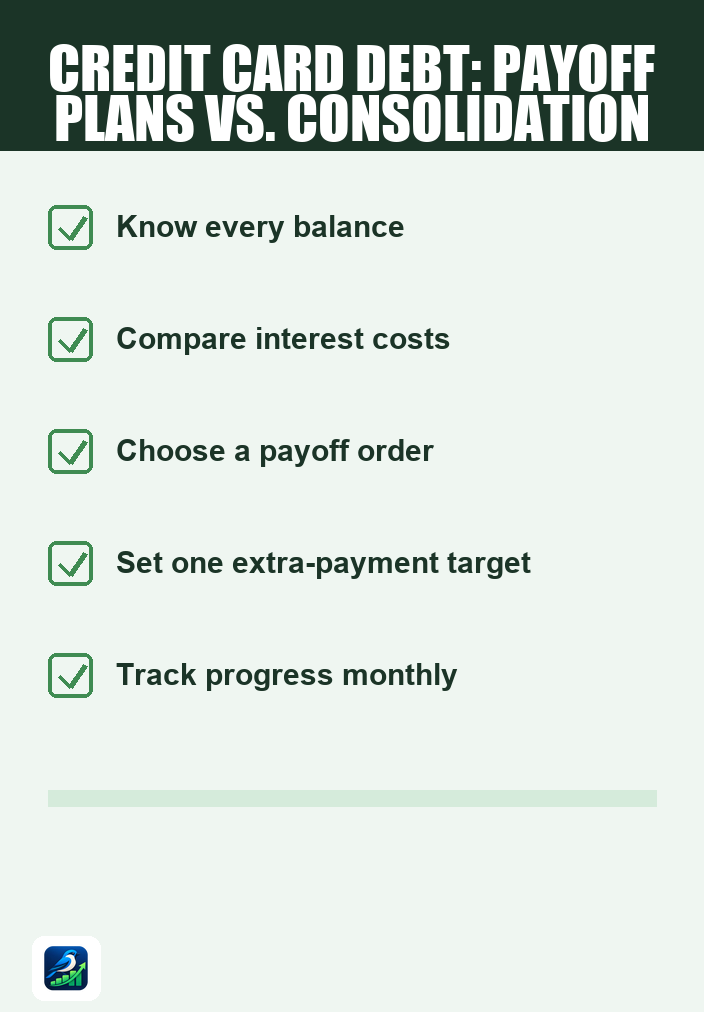
Understanding High-Interest Credit Card Debt
High-interest credit card debt can feel like a heavy weight dragging you down. The rising balances and monthly payments can cause stress and anxiety, making it difficult to see a way out. However, with the right strategies, overcoming this financial hurdle is possible. This article will explore effective approaches to managing and reducing high-interest credit card debt, helping you regain control of your finances.
Assess Your Financial Situation
The first step in tackling high-interest credit card debt is to assess your current financial situation. Understanding where you stand can help you make informed decisions about your next steps.
Gather Your Financial Information
- List all credit card debts, including balances, interest rates, and minimum payments.
- Calculate your total monthly income after taxes.
- Track your monthly expenses to see where your money goes.
By having a clear picture of your debt and monthly cash flow, you can identify the best strategies to tackle your credit card balances.
Prioritize Your Debts
Not all debts are created equal. Some may carry higher interest rates than others, making them more costly in the long run. Prioritizing which debts to pay off first is crucial.
The Avalanche Method
This method focuses on paying off the debt with the highest interest rate first. Here’s how it works:
- Make minimum payments on all your debts except for the one with the highest interest rate.
- Put any extra funds toward the debt with the highest interest rate until it’s paid off.
- Once that debt is cleared, move on to the next highest interest rate debt.
The Snowball Method
Alternatively, some people prefer the snowball method, which focuses on paying off the smallest debts first. This method can provide psychological boosts as you eliminate debts more quickly. Here’s a brief overview:
- List your debts from smallest to largest.
- Make minimum payments on all debts except the smallest one.
- Put any extra money toward the smallest debt until it’s paid off.
- Once paid off, move to the next smallest debt.
Choose the method that resonates most with you, as both have their benefits.
Explore Balance Transfers
If you qualify, a balance transfer credit card can be a useful tool for reducing high-interest charges. These cards often offer low or 0% introductory rates for a limited time.
How to Use a Balance Transfer Effectively
- Research available balance transfer offers and check for any fees involved.
- Calculate whether the interest savings outweigh any transfer fees.
- Make a plan to pay off the balance before the promotional period ends.
While this strategy can be effective, ensure you avoid accumulating new debt on the original cards.
Consider Debt Consolidation
Debt consolidation involves taking out a single loan to pay off multiple debts. This can simplify payments and may result in a lower overall interest rate. However, it’s essential to consider both the benefits and risks.
Types of Debt Consolidation
- Personal Loans: Unsecured loans that can be used to pay off credit card debt.
- Home Equity Loans: Loans secured by your home’s equity, which often have lower interest rates.
- Credit Card Consolidation Loans: Special loans designed specifically to pay off credit card debt.
While debt consolidation can simplify your payments and potentially reduce interest, it may extend your repayment period and could lead to accumulating more debt if not managed carefully.
Implement a Budget
Creating and sticking to a budget is a fundamental strategy for managing and reducing credit card debt. A budget helps you allocate your income effectively and prioritize debt repayment.
Steps to Create a Practical Budget
- Identify all sources of income.
- List all monthly expenses, including fixed and variable costs.
- Determine how much you can allocate towards debt repayment each month.
- Track your spending to ensure you stay within your budget.
Adjust your spending habits where necessary to free up more funds for debt repayment.
Seek Professional Help if Needed
Sometimes, managing high-interest credit card debt can feel overwhelming. If you find yourself struggling, consider seeking professional help. Different types of services are available:
Credit Counseling
A certified credit counselor can help assess your situation, create a budget, and offer strategies for managing your debt. They may also help you negotiate with creditors for lower interest rates.
Debt Management Plans
In some cases, a debt management plan (DMP) may be a suitable option. This involves working with a credit counseling agency to create a structured plan for repaying your debts, often at reduced interest rates.
Understand the Trade-offs
While seeking help can provide relief, it’s essential to understand the trade-offs. DMPs may require a commitment of several years, and you may have to close your credit card accounts.
Know When to Consider Other Options
If your debt feels insurmountable, it may be time to explore other options like debt settlement or bankruptcy. Each has significant implications and should not be taken lightly.
Debt Settlement
This involves negotiating with creditors to pay less than the full amount owed. While it can provide immediate relief, it can negatively impact your credit score and may have tax consequences.
Bankruptcy
Bankruptcy should generally be a last resort. It can provide a fresh start but comes with long-lasting effects on your credit report. Consulting with a bankruptcy attorney can help you understand the process and its implications.
Next Steps
Overcoming high-interest credit card debt requires a strategic approach and commitment. Here are some practical next steps:
- Assess your financial situation and create a list of your debts.
- Choose a debt repayment method that aligns with your goals.
- Consider options like balance transfers or debt consolidation if applicable.
- Implement a budget and stick to it.
- Seek professional assistance if needed.
By taking these steps, you can develop a personalized plan to manage and reduce your high-interest credit card debt, ultimately leading to greater financial freedom.



















