
Understanding the Challenges of Credit Card Debt
If you find yourself struggling with credit card debt, you’re not alone. Many adults face similar challenges, especially when balancing everyday expenses with the burden of outstanding balances. The good news is that there are ways to manage your situation effectively. However, several pitfalls can complicate your efforts, particularly when you’re on a tight budget. This article highlights key mistakes to avoid and practical strategies for navigating your credit card debt.
Recognizing Key Pitfalls of Credit Card Debt Management
Understanding the potential pitfalls can help you make informed decisions and avoid common traps that can worsen your financial situation. Here are some of the key mistakes to steer clear of:
1. Ignoring Your Credit Card Statements
One of the most significant errors is neglecting to review your credit card statements regularly. This oversight can lead to missed payments, hidden fees, or unauthorized charges. Make a habit of checking your statements monthly to:
- Track your spending patterns.
- Identify any discrepancies.
- Stay on top of payment due dates.
2. Making Only Minimum Payments
While it may be tempting to pay just the minimum amount due, this approach can prolong your debt and increase the total interest paid over time. Minimum payments often cover only the interest and a small portion of the principal balance. To tackle your debt more effectively, consider:
- Paying more than the minimum whenever possible.
- Prioritizing higher-interest debts to save on overall interest costs.
- Creating a budget that allocates extra funds towards debt repayment.
3. Accumulating More Debt While Trying to Pay Off Existing Debt
Using credit cards for everyday purchases while trying to pay off existing debt can create a vicious cycle. It’s essential to address this behavior by:
- Identifying triggers that lead to unnecessary spending.
- Using cash or debit for everyday expenses to avoid adding to your debt burden.
- Setting strict limits on credit card usage until your debt is under control.
4. Failing to Create a Realistic Budget
A budget is a crucial tool for managing finances and reducing debt. Without one, you may struggle to see where your money is going, leading to overspending. To create an effective budget:
- Track your income and expenses for at least a month.
- Allocate funds for necessities, savings, and debt repayment.
- Review and adjust your budget regularly to stay on track.
5. Overlooking the Importance of Emergency Savings
While it may seem counterintuitive to save when you have debt, not having an emergency fund can lead to more debt if unexpected expenses arise. Aim to set aside a small amount each month to build this safety net. Start small, and gradually increase your savings.
Exploring Options for Managing Credit Card Debt
Once you’re aware of the pitfalls, it’s essential to consider various options for managing your credit card debt. Each carries its own set of trade-offs, so understand the implications before deciding.
Debt Management Plans
Debt management plans (DMPs) involve working with a credit counseling agency to create a structured repayment plan. While a DMP can simplify payments and potentially lower interest rates, be cautious:
- Some agencies may charge fees.
- Participation may affect your credit score.
- It requires a commitment to avoid new debt during the repayment period.
Debt Consolidation
Debt consolidation involves combining multiple debts into a single loan, often with a lower interest rate. This can simplify payments, but consider the following:
- You may still accrue debt on your original accounts.
- Consolidation loans often require good credit for favorable terms.
- Fees and charges can offset potential savings.
Debt Settlement
Debt settlement involves negotiating with creditors to pay a reduced amount. While it can lead to lower balances, it’s not without drawbacks:
- It can severely impact your credit score.
- Creditors are not obligated to settle.
- You may face tax implications on forgiven debt.
Bankruptcy
Bankruptcy is a last-resort option that allows individuals to discharge certain debts. However, it has long-lasting effects on your credit and can be a lengthy process. If you are considering this route, consult with a legal professional to understand the consequences and requirements.
Practical Steps to Take Now
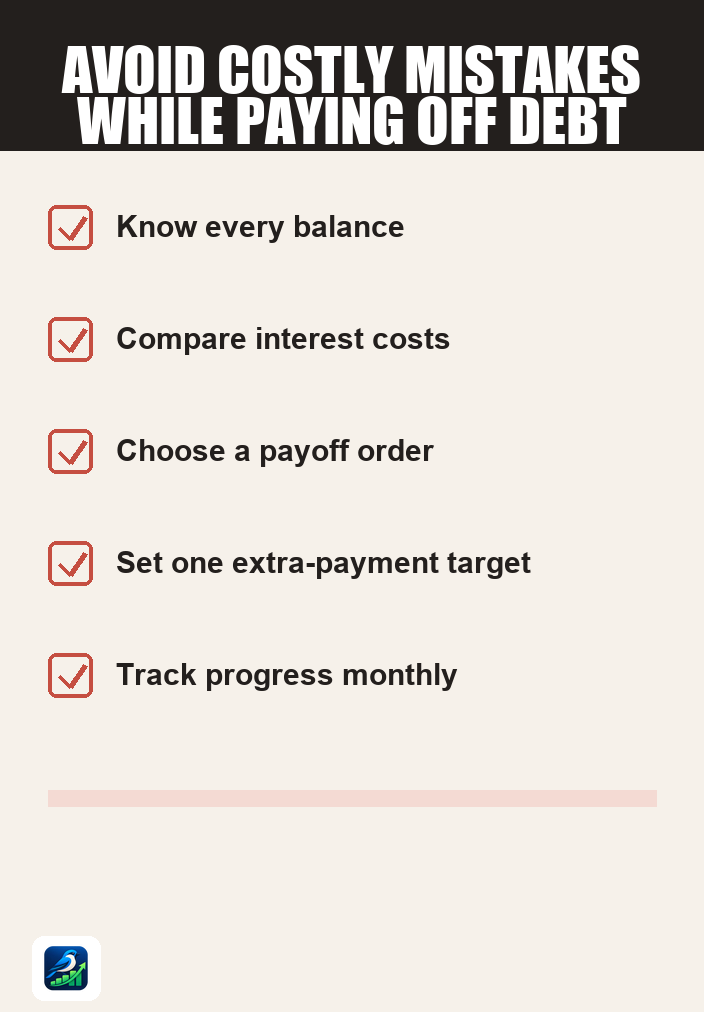
Now that you’re aware of the pitfalls and potential options, here are practical steps to take:
- Review your credit card statements and make a list of all your debts.
- Create a budget that prioritizes debt repayment and includes savings.
- Consider setting up automatic payments for bills to avoid late fees.
- Explore debt management options and assess their suitability for your situation.
- Seek professional advice if you’re unsure about the best path forward.
Managing credit card debt on a tight budget can be challenging, but it’s possible with informed decisions and disciplined financial habits. By avoiding common pitfalls and taking proactive steps, you can work towards regaining control over your finances.



















