
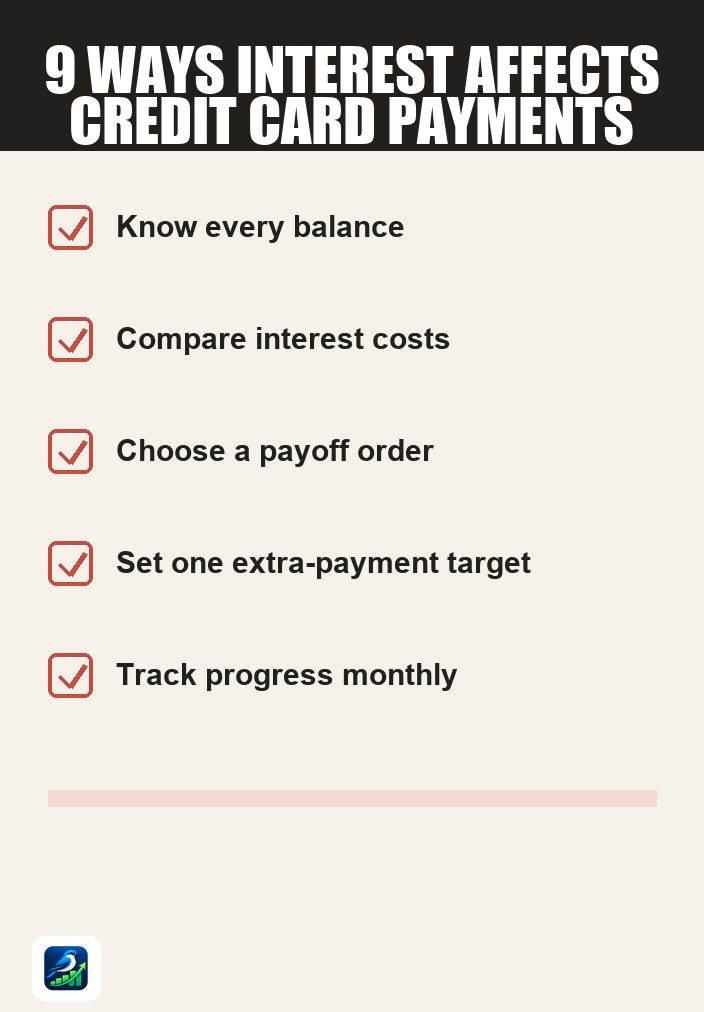
Understanding Credit Card Interest Charges
When you use a credit card, you’re often borrowing money to make purchases. This borrowing comes with a cost: interest charges. Understanding how these interest charges work is crucial for managing your monthly payments and overall financial health. In this article, we’ll explore how credit card interest impacts your payments, factors that influence these charges, and strategies to manage or reduce them.
How Interest Charges Work
Credit card interest is calculated based on your outstanding balance and the card’s annual percentage rate (APR). Most credit cards compound interest daily, which means the interest accumulates on your balance each day, increasing the total amount you owe. This can significantly affect your monthly payments if you don’t pay off your balance in full.
Calculating Interest Charges
To understand how much interest you might be paying, it’s helpful to know how to calculate it. Here’s a simple formula:
- Determine your daily interest rate: Divide your APR by 365.
- Multiply your daily interest rate by your current balance.
- Multiply that result by the number of days since your last payment.
For example, if you have a $1,000 balance with a 20% APR, your daily interest rate would be approximately 0.0548% (20% / 365). If you’ve carried that balance for 30 days, your interest charge would be:
$1,000 x 0.000548 x 30 = $16.44
The Impact on Monthly Payments
Credit card interest can significantly increase your monthly payments, especially if you only make minimum payments. The minimum payment is typically a small percentage of your balance (often 1% to 3%) plus any interest charges. If your balance is high, the interest can end up being a larger portion of your payment than the principal.
Example of Monthly Payment Breakdown
Let’s say you have a balance of $1,500, an APR of 18%, and a minimum payment requirement of 2% of your balance plus interest:
- Calculate the monthly interest: $1,500 x (18% / 12) = $22.50.
- Calculate the minimum payment: (2% of $1,500) + $22.50 = $30 + $22.50 = $52.50.
In this example, if you only pay the minimum, it will take you a longer time to pay off your debt, and you’ll end up paying a lot more in interest over time.
Factors Influencing Interest Charges
Several factors can influence how much interest you’re charged:
- APR: Each card has a different APR based on your creditworthiness and the issuer’s policies.
- Payment history: Late payments can result in higher APRs and fees.
- Credit utilization: High balances relative to your credit limit can signal risk to lenders, potentially leading to higher interest rates.
- Promotional rates: Introductory rates often apply for a limited time and can increase significantly afterward.
Strategies to Manage Interest Charges
Reducing the impact of interest charges on your monthly payments requires a proactive approach. Here are some strategies to consider:
1. Pay More Than the Minimum
Always try to pay more than the minimum payment. This reduces your balance faster and can save you a significant amount in interest over time.
2. Make Payments More Frequently
Consider making payments bi-weekly instead of monthly. This strategy reduces your average daily balance, which can lower your interest charges.
3. Seek Lower Interest Rates
If your credit score has improved or you’ve been a loyal customer, contact your issuer to negotiate a lower APR. Even a small reduction can lead to substantial savings.
4. Balance Transfers
Look for credit cards that offer 0% APR balance transfers for a specified period. This can give you time to pay down your debt without accruing additional interest. Be mindful of transfer fees and how long the promotional period lasts.
5. Create a Budget
Developing a budget can help you allocate funds specifically for debt repayment, ensuring you consistently pay down your balance.
Alternatives to Managing Debt
If you find that credit card debt is overwhelming, consider these alternatives:
- Debt Consolidation: This involves taking out a loan to pay off multiple debts. It can simplify payments, but ensure the new loan has a lower interest rate.
- Debt Management Plan: Working with a credit counseling service can help you negotiate lower rates and create a structured repayment plan.
- Debt Settlement: This involves negotiating with creditors to pay a lump sum that is less than what you owe. This can impact your credit score, so weigh the pros and cons carefully.
- Bankruptcy: This is a last resort that can discharge many debts, but it comes with long-term consequences for your credit. Consult a professional before considering this option.
Next Steps
Understanding how credit card interest charges impact your monthly payments is a vital step in managing your debt effectively. Start by calculating your current interest charges, exploring strategies to reduce them, and considering alternatives if necessary. If you’re feeling overwhelmed, consulting with a financial advisor or credit counselor may provide additional guidance tailored to your situation.



















