
Understanding Credit Card Hardship Options
Managing credit card debt can be challenging, especially in times of financial hardship. Understanding your options is crucial for navigating these tough times effectively. A well-structured checklist can help you evaluate your situation and determine the best course of action. Below, we outline key elements to include in your credit card hardship options checklist.
1. Assess Your Financial Situation
Before diving into options, it’s essential to have a clear picture of your financial health. This step is about understanding the breadth of your financial challenges.
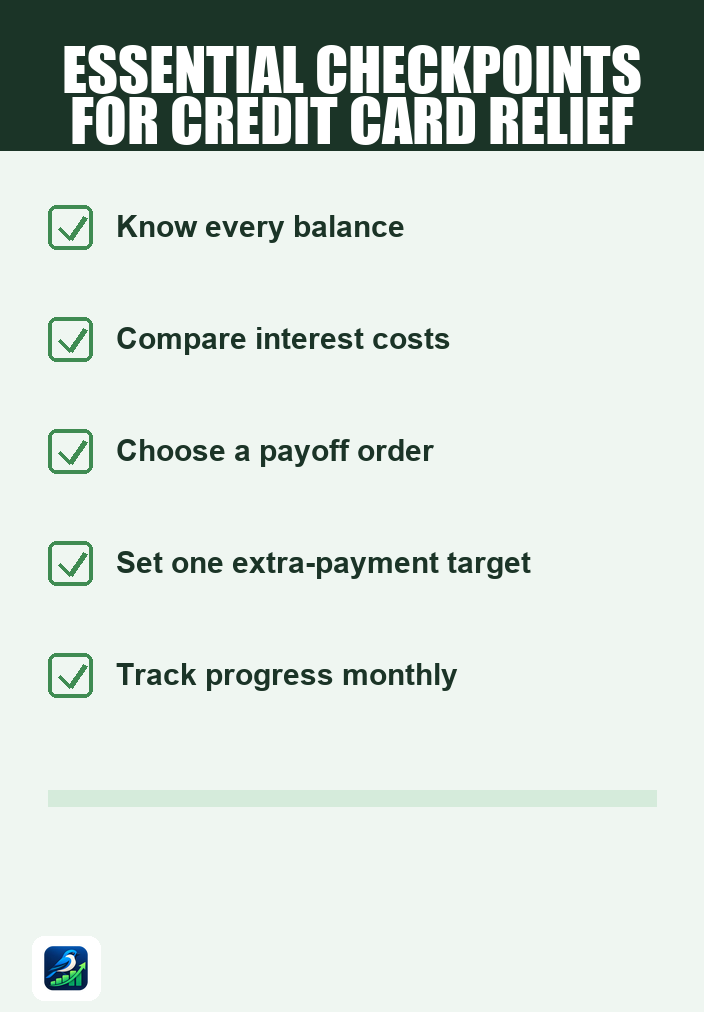
- List Your Debts: Document all your credit cards, including balances, interest rates, and minimum monthly payments.
- Evaluate Your Income: Calculate your total monthly income, including salaries, bonuses, and any other sources.
- Track Your Expenses: Create a detailed list of your monthly expenses, distinguishing between fixed (rent, utilities) and variable costs (food, entertainment).
- Calculate Your Cash Flow: Subtract total expenses from total income to understand your monthly cash flow situation.
2. Identify Hardship Options
Once you have a clear view of your financial situation, explore the various hardship options available. Each has its pros and cons, so consider your specific circumstances carefully.
Debt Management Plans (DMPs)
A DMP involves working with a credit counseling agency to create a structured repayment plan. The agency negotiates with creditors for lower interest rates and fees.
- Pros: Can simplify payments and reduce interest rates.
- Cons: May require a monthly fee for the service, and you may have to close your credit accounts.
Debt Consolidation
This option involves taking out a new loan to pay off existing credit card debt, resulting in a single monthly payment. This can be done through personal loans or balance transfer credit cards.
- Pros: Can lower interest rates and simplify payments.
- Cons: If you don’t address the underlying spending habits, you may end up in more debt.
Debt Settlement
Debt settlement involves negotiating with creditors to pay less than the full amount owed. This can be done independently or through a settlement company.
- Pros: Potentially reduces the total debt owed.
- Cons: Can significantly impact credit scores and may lead to tax consequences on forgiven debt.
Bankruptcy
As a last resort, bankruptcy can provide relief from overwhelming debt. It can eliminate unsecured debts but has long-term financial implications.
- Pros: Can provide a fresh financial start.
- Cons: Long-lasting negative impact on credit and potential loss of assets.
3. Evaluate Your Options
After identifying potential options, it’s important to evaluate each for your specific situation. Here are some questions to consider:
- What is the total cost? Consider fees, interest rates, and potential tax implications.
- How does it affect your credit? Understand how each option will impact your credit score.
- What are the long-term implications? Think about how each choice will affect your financial future.
4. Gather Necessary Documentation
Before proceeding with any option, collect all necessary documentation. This typically includes:
- Recent credit card statements
- Proof of income (pay stubs, bank statements)
- List of monthly expenses
- Any communication from creditors
5. Consult Professionals
Once you’ve organized your information and considered your options, consulting with a financial or legal professional can provide clarity. They can help you navigate complex decisions, especially regarding bankruptcy or debt settlement.
6. Create a Plan of Action
With all the information and advice in hand, it’s time to create a clear plan of action. This should include:
- Choosing an option: Based on your evaluation, select the best course of action.
- Setting specific goals: Outline what you hope to achieve, such as reducing debt by a specific percentage or timeframe.
- Regularly reviewing your progress: Set checkpoints to evaluate how well your plan is working and make adjustments as needed.
Next Steps for Managing Credit Card Hardship
Dealing with credit card debt can be overwhelming, but you are not alone. Start by assessing your financial situation and exploring your hardship options. Gather necessary documentation and consider consulting with professionals to ensure you are making informed decisions. With a clear plan of action, you can take the necessary steps toward regaining control over your finances.



















