
Understanding Credit Utilization While Reducing Debt
When it comes to managing your finances, understanding credit utilization is crucial, especially if you’re in the process of reducing debt. Credit utilization refers to the ratio of your current credit card balances to your credit limits. This figure plays a significant role in your credit score, and it can impact your ability to secure new credit or loans. Let’s delve into what you need to know about credit utilization while you work on managing your debt.
What is Credit Utilization?
Credit utilization is typically expressed as a percentage. For example, if you have a total credit limit of $10,000 and you owe $3,000 on your credit cards, your credit utilization rate is 30%. Most financial experts recommend keeping your utilization below 30% to maintain a healthy credit score.
Why Credit Utilization Matters
Your credit utilization ratio is a key factor in determining your credit score, which influences your ability to borrow money at favorable rates. A lower credit utilization ratio generally signals to lenders that you are using credit responsibly. Conversely, a high utilization rate can indicate financial distress, making lenders wary of extending credit to you.
Strategies for Managing Credit Utilization While Reducing Debt
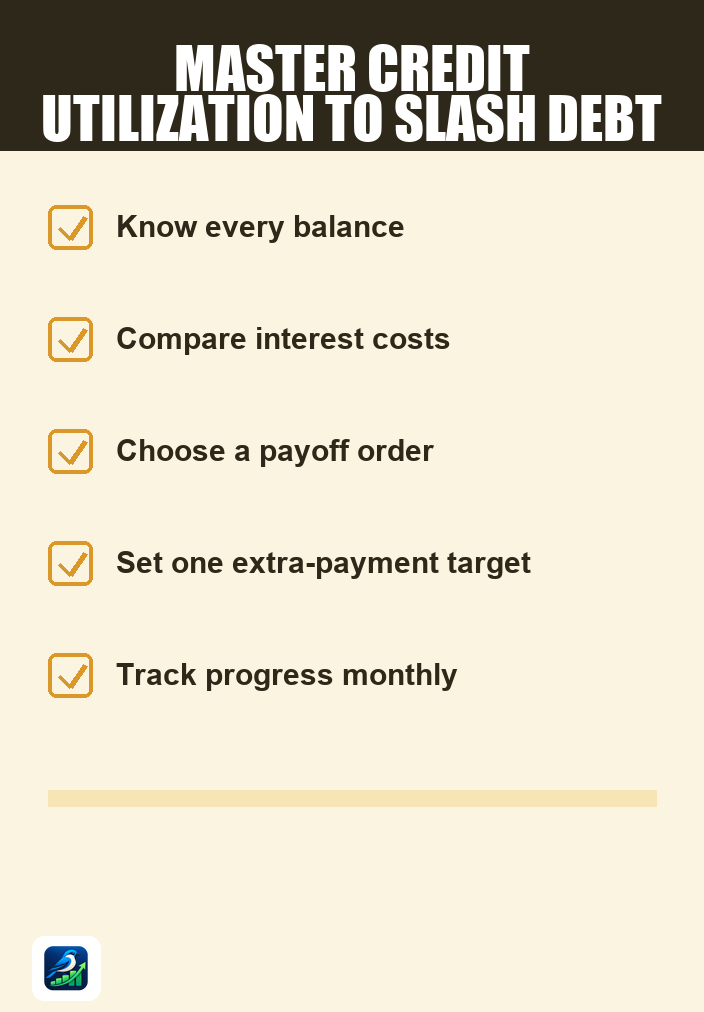
If you’re focused on reducing debt, it’s essential to maintain a good credit utilization ratio. Here are some practical strategies to help you achieve this:
1. Pay Down Existing Balances
One of the most straightforward ways to improve your credit utilization is to reduce your outstanding balances. Prioritize paying off high-interest credit cards first, as this can save you money in the long run. Make a plan to pay more than the minimum required payment each month, focusing on the cards with the highest utilization rates.
2. Increase Your Credit Limits
Another strategy to lower your credit utilization ratio is to request an increase in your credit limits, provided you can manage this responsibly. A higher credit limit, with the same balance, will result in a lower utilization percentage. However, be cautious: only request a limit increase if you are confident that you will not increase your spending as a result.
3. Spread Out Your Purchases
If you have multiple credit cards, consider spreading your charges across them rather than maxing out a single card. This approach can help keep individual utilization ratios lower, which is beneficial for your overall credit score. Just be mindful not to overspend in the process.
4. Make Payments More Frequently
Instead of waiting for your monthly billing cycle to make payments, consider making payments bi-weekly or even weekly. This can help you keep your balances lower throughout the month, which in turn can positively impact your credit utilization ratio.
Understanding the Trade-offs
While managing your credit utilization is important, it’s vital to understand the trade-offs involved in various debt reduction strategies. Here are a few considerations:
Debt Consolidation
Debt consolidation involves combining multiple debts into a single loan, often at a lower interest rate. This can simplify your payments and potentially improve your credit utilization if you pay down the consolidated debt quickly. However, it might also extend your repayment timeline if not managed correctly, leading to higher overall interest payments in the long run.
Debt Management Plans
These plans involve working with a credit counseling agency to create a structured repayment plan. While participating in a debt management plan can help you lower your outstanding debts, it may also temporarily affect your credit utilization as you work to pay off your debts.
Debt Settlement
Debt settlement involves negotiating with creditors to pay less than what you owe. While this can reduce your debt load, it could negatively impact your credit score in the short term and lead to higher utilization ratios if not handled properly. It’s crucial to weigh the benefits against potential long-term impacts.
Bankruptcy
Filing for bankruptcy can provide a fresh start if you are overwhelmed by debt. However, it has severe implications for your credit score and can take years to recover from. This should be considered as a last resort after exploring other options.
Maintaining a Healthy Credit Utilization Rate
While you focus on reducing your debt, maintaining a healthy credit utilization ratio can help you avoid additional financial stress. Here are some tips to keep in mind:
- Monitor Your Credit Regularly: Keep an eye on your credit report and utilization rates. Many financial institutions provide free access to your credit score, which can help you stay informed.
- Avoid Closing Old Accounts: Closing old credit accounts can reduce your overall credit limit, which may increase your utilization ratio. Keep old accounts open, even if you don’t use them frequently.
- Be Cautious with New Credit: While applying for new credit might be tempting to increase your limits, it can lead to hard inquiries on your credit report, which may negatively affect your score temporarily.
Next Steps
As you work on reducing your debt, remember that maintaining a reasonable credit utilization ratio is essential for your financial health. Focus on strategic payments, consider your options carefully, and avoid actions that could unwittingly harm your credit score. If you’re uncertain about your specific situation, consulting a financial advisor or credit counselor might provide clarity tailored to your needs.



















